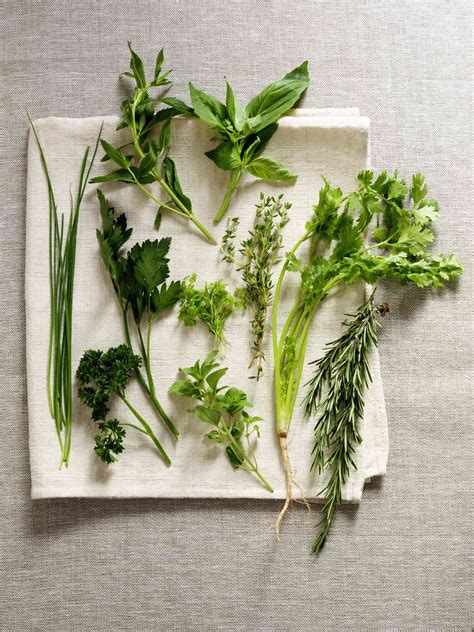
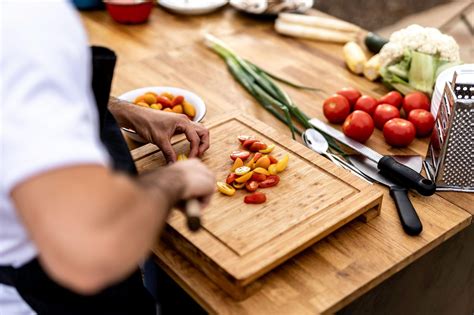
How to extend fresh herb life for vibrant cooking & stunning food shots?

Unlock the Secret to Ever-Fresh Herbs
Fresh herbs are the soul of vibrant cooking and the star of stunning food photography. Their aromatic essence and brilliant colors can elevate a simple dish into a culinary masterpiece, but their delicate nature often means they wilt before you can enjoy them fully. Don’t let precious herbs go to waste! This guide will equip you with practical storage techniques to significantly extend their lifespan, ensuring every meal is bursting with flavor and every food shot is picture-perfect.
Understanding Herb Types for Optimal Storage
Not all herbs are created equal, and neither are their storage needs. Generally, herbs can be categorized into ‘soft’ and ‘hard’ varieties, each requiring a slightly different approach to maintain freshness.
Soft Herbs: The Delicate Dames (Parsley, Cilantro, Mint, Dill, Tarragon)
These herbs have tender stems and leaves, and they thrive on hydration. Treat them like a bouquet of flowers:
- The Water Glass Method: Trim the very ends of the stems and place the bunch, stems down, into a glass with about an inch of water. Cover loosely with a plastic bag (or a reusable produce bag) and refrigerate. Change the water every day or two. This method can keep herbs fresh for up to two weeks.
- Damp Paper Towel Method: For shorter-term storage or when space is tight, gently wrap washed and thoroughly dried soft herbs in a slightly damp paper towel, then place them in a sealed plastic bag or airtight container. Refrigerate.
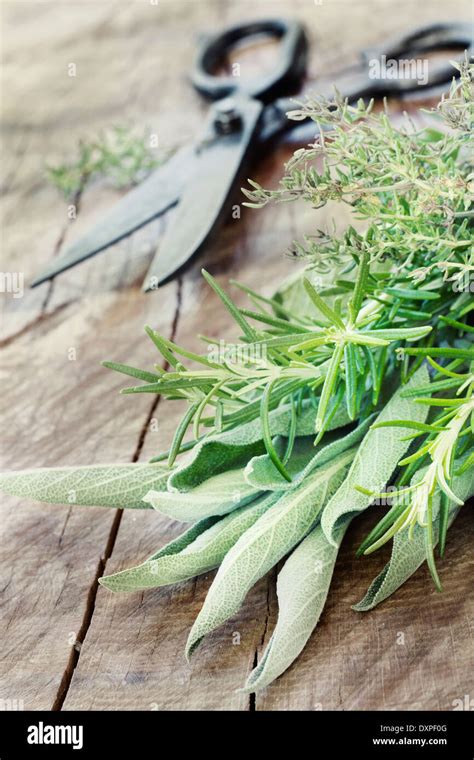
Hard Herbs: The Resilient Rebels (Rosemary, Thyme, Oregano, Sage)
Harder, woodier stems characterize these herbs. They are less reliant on direct water and more susceptible to excess moisture causing rot.
- Damp Paper Towel Method: Wrap unwashed hard herbs in a slightly damp paper towel, then place them in a sealed plastic bag or airtight container. Refrigerate. They can last 2-3 weeks this way.
- Dry Storage: Some hard herbs, like rosemary, can even be stored loosely wrapped in a dry paper towel within a plastic bag in the fridge for a week, though a little moisture helps.
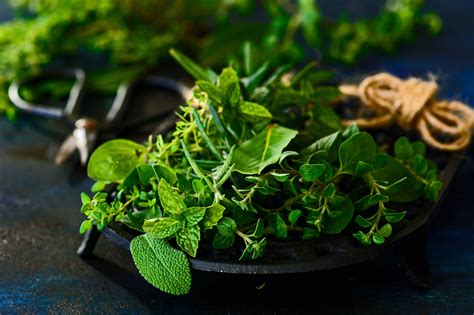
Basil: The Exception to the Rule
Basil is a unique soft herb that prefers room temperature. Storing it in the refrigerator can cause its leaves to blacken and wilt rapidly due to cold shock. Trim the stems, place them in a glass of water on your counter (out of direct sunlight), and cover loosely with a plastic bag if desired. Change water daily. It will stay vibrant for about a week.
Beyond the Fridge: Longer-Term Preservation
When you have an abundance of herbs, consider these methods for extended enjoyment:
- Freezing:
- Chopped & Oiled: Chop herbs finely and pack them into ice cube trays. Cover with a neutral oil (like olive oil) or water, then freeze. Once solid, transfer the herb cubes to an airtight freezer bag. Pop out a cube whenever you need a burst of fresh flavor in soups, stews, or sauces.
- Whole Leaves: For herbs like dill or parsley, you can also freeze whole sprigs on a baking sheet and then transfer to a freezer bag. They become brittle but retain flavor.
- Drying: Best for hardier herbs like rosemary, thyme, sage, and oregano. Tie small bunches together and hang them upside down in a cool, dark, well-ventilated area until brittle. Store dried herbs in airtight containers away from light and heat.

Herbs for Vibrant Cooking & Stunning Shots
Extended fresh herb life isn’t just about reducing waste; it’s about elevating your culinary game and visual presentation.
- For Cooking: Always add delicate fresh herbs like parsley, cilantro, or basil towards the end of the cooking process to preserve their vibrant color and delicate flavor. Hardier herbs like rosemary or thyme can be added earlier to infuse dishes more deeply.
- For Food Photography:
- Choose the Best: Always select the freshest, most vibrant sprigs for garnishing.
- Placement is Key: Strategically place herbs to add a pop of color, texture, and visual interest without overpowering the main dish.
- Lighting: Good lighting will make those fresh greens really pop. Natural, soft light is usually best.
- Mist with Water: For an extra dewy, fresh look, a light mist of water can make your herbs appear even more appealing in photos.

Embrace Freshness, Elevate Your Kitchen
With these simple yet effective herb preservation techniques, you can enjoy the unparalleled taste and visual appeal of fresh herbs for much longer. Say goodbye to sad, wilted greenery and hello to a kitchen full of aromatic possibilities and a camera roll brimming with gorgeous, herb-adorned dishes. Your taste buds and your social media followers will thank you!