How to extend the vibrant freshness of delicate herbs for gourmet cooking?
Fresh herbs are the soul of gourmet cooking, infusing dishes with vibrant aromas, complex flavors, and a touch of professional elegance. However, their delicate nature often means they wilt and lose potency quickly, leading to waste and diminished culinary results. Mastering the art of extending their freshness is a game-changer for any aspiring or seasoned home chef.
Understanding Herb Types and Their Needs
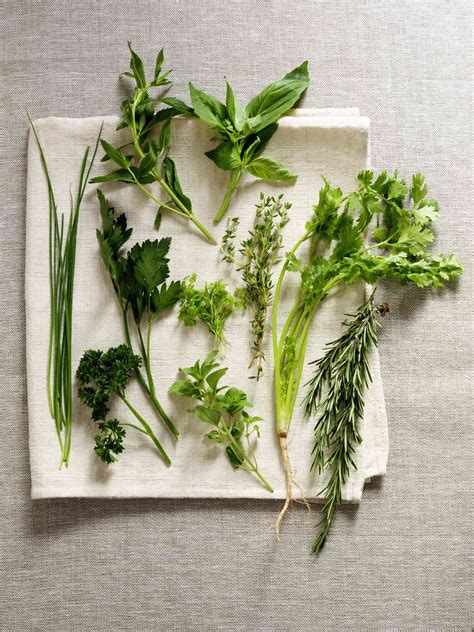
Herbs can generally be categorized into two main groups: soft herbs and woody/hardier herbs. Soft herbs, like parsley, cilantro, basil, mint, and dill, have tender stems and leaves and are more prone to wilting. Woody herbs, such as rosemary, thyme, oregano, and sage, have tougher stems and denser leaves, making them slightly more resilient but still in need of proper care.
The key to longevity lies in providing them with an environment that mimics their natural growing conditions as closely as possible, without encouraging rot or mold.

Method 1: The Water Bath Technique (for Soft Herbs)
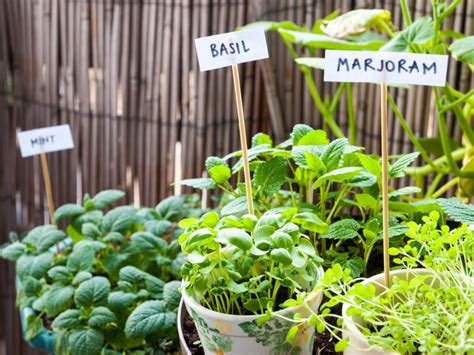
This classic method is ideal for most soft, leafy herbs. Start by trimming about half an inch off the bottom of the stems. Remove any discolored or damaged leaves. Place the herbs upright in a glass jar or vase with about an inch of water, much like a bouquet of flowers. Ensure only the stems are submerged, not the leaves.
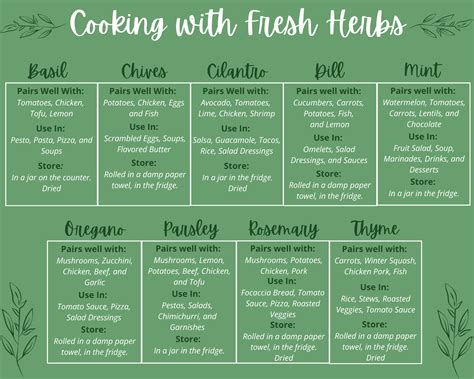
For basil, which is particularly sensitive to cold, cover the entire setup loosely with a plastic bag and leave it on the countertop away from direct sunlight. For other soft herbs like parsley, cilantro, and mint, loosely cover with a plastic bag and refrigerate. Change the water every day or two to prevent bacterial growth.
Method 2: The Damp Paper Towel & Airtight Container (for Woody Herbs & Some Soft Herbs)
This method works wonders for woody herbs and can also be used for soft herbs if you prefer not to use the water bath. Gently wash the herbs if necessary and pat them thoroughly dry with paper towels. Excess moisture is the enemy here, as it promotes mold.
Lay the dried herbs flat on a slightly damp paper towel, then roll them up loosely. Place the rolled herbs inside a plastic zip-top bag or an airtight container. Store them in the crisper drawer of your refrigerator. This creates a slightly humid environment that prevents drying out without being overly wet. Check the paper towel periodically and re-dampen or replace if it dries out.
Method 3: Freezing for Long-Term Preservation
While fresh is always best, freezing is an excellent option for extending the life of most herbs for months, especially if you have a surplus. The most effective way is to chop the herbs finely, then pack them into ice cube trays. Cover the herbs with a neutral oil (like olive oil or grapeseed oil) or water, and freeze until solid. Once frozen, pop the herb cubes out and transfer them to a freezer-safe bag or container.
When you need them, simply drop a cube directly into soups, stews, sauces, or sautéed dishes. This method works well for basil, parsley, cilantro, chives, dill, and even woody herbs like rosemary and thyme.

Reviving Slightly Wilted Herbs
If your herbs have started to droop but aren’t yet discolored or slimy, there’s still hope! Trim the ends of the stems and place them in a glass of ice water for 20-30 minutes. The cold water helps them rehydrate and regain some of their crispness. This trick is particularly effective for parsley, cilantro, and celery leaves.

Conclusion: Elevate Your Culinary Creations
By implementing these simple yet effective storage techniques, you can significantly extend the life of your delicate herbs, ensuring their vibrant freshness is always at your fingertips for gourmet cooking. No more sad, wilted bundles in the back of the fridge! Embrace these methods and unlock a new level of flavor and efficiency in your kitchen.