How to find and visually document authentic, photogenic street food?

Street food is more than just a meal; it’s a vibrant tapestry of culture, tradition, and community spirit. For the adventurous traveler and food enthusiast, finding authentic street food is a quest, and visually documenting it transforms a fleeting moment into a lasting memory and a shareable story. But how do you sniff out those genuine gems, and then capture their deliciousness in a way that truly brings them to life?
The Quest for Authenticity
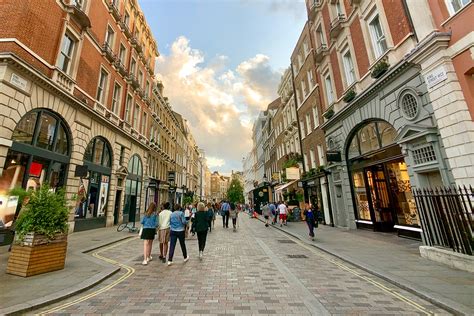
Authenticity in street food often means looking beyond the main tourist thoroughfares. Start your journey with research – not just mainstream blogs, but local food forums, cultural exchange groups, and even academic papers on regional cuisine. Engage with locals; ask hotel staff, taxi drivers, or shopkeepers where they eat. These personal recommendations are invaluable for uncovering hidden culinary treasures. Don’t be afraid to wander down smaller lanes or explore markets early in the morning, which is often when the freshest ingredients are sourced and the day’s first meals are prepared.
Seek out stalls with long queues of locals, especially during peak meal times. A busy vendor often indicates both popularity and a quick turnover of ingredients, ensuring freshness. Observe the interactions; a friendly, bustling atmosphere is usually a good sign. Look for small, specialized stalls rather than those offering an extensive, generic menu – specialization often equals expertise and a commitment to traditional recipes.

Identifying Photogenic Potential
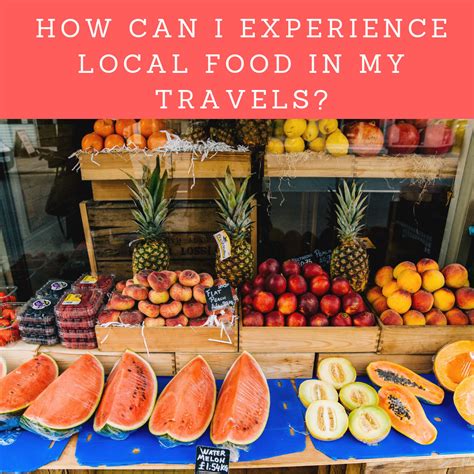
Once you’ve found a promising spot, take a moment to assess its visual potential before ordering. Photogenic street food often boasts vibrant colors, interesting textures, and a dynamic cooking process. Look for fresh, colorful ingredients laid out meticulously, sizzling pans, steaming pots, or skilled hands artfully preparing a dish. The steam rising from a noodle cart, the char marks on grilled skewers, or the intricate garnishes on a dessert can all contribute to a compelling visual narrative.
Beyond the food itself, consider the environment. The rustic charm of a worn cart, the lively backdrop of a bustling market, or the focused expression of a vendor can add depth to your photographs. Pay attention to how the food is served – unique plating, traditional bowls, or intricate packaging can enhance the story. A bowl of ramen with perfectly arranged toppings, or a beautifully layered banh mi, already tells a visual story before you even lift your camera.

Mastering the Visual Narrative
Photography Essentials
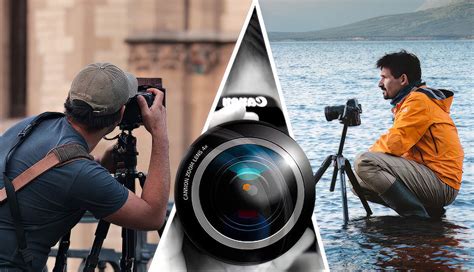
Capturing the essence of street food requires thoughtful photography. Natural light is your best friend; shoot in the golden hour just after sunrise or before sunset, or seek out shaded areas to avoid harsh shadows. When indoors or under awnings, use ambient light and avoid flash, which can flatten the image and disrupt the atmosphere. Experiment with different angles: a top-down shot for bowls, eye-level for food being prepared, or a close-up to highlight textures and details.
Composition is key. Use the rule of thirds to place your subject off-center, or employ leading lines from the stall’s structure or ingredients to draw the viewer’s eye. Don’t be afraid to get close to capture the intricate details – the glistening sauce, the crisp edges, the fresh herbs. A shallow depth of field can help isolate your subject, making the food pop against a blurred background.
Ethical Documentation
Always prioritize respect and etiquette. Before taking photos of vendors or their specific dishes, make eye contact and ask for permission, even if it’s just with a gesture and a smile. Some vendors might be shy, or busy, so be quick and unobtrusive. Purchasing food from them is always a great way to show appreciation and gratitude. Avoid obstructing other customers or disrupting the flow of business. Remember, you are a guest in their space and culture.
Beyond the Click: Storytelling and Sharing
Your documentation doesn’t end with the click of the shutter. Thoughtful editing can enhance your images, adjusting brightness, contrast, and color to make them even more appetizing. However, strive for authenticity in your edits, reflecting the true colors and mood of the scene. When sharing, pair your stunning visuals with a compelling narrative. Describe the flavors, the aromas, the sounds, and the story of the vendor. Share the location and any interesting anecdotes about your discovery.
Visual documentation of street food is an art form that blends culinary exploration with photography and storytelling. It’s about more than just pretty pictures; it’s about preserving moments, celebrating culture, and inspiring others to embark on their own delicious adventures.

Conclusion
Finding and visually documenting authentic, photogenic street food is a rewarding endeavor that enriches your travel experiences. By combining diligent research, respectful engagement with locals, an eye for visual detail, and ethical photographic practices, you can capture the true essence of street food culture. So, grab your camera, sharpen your senses, and get ready to tell the delicious stories of the world, one bite and one frame at a time.