How to find authentic local eats on food adventures using visual cues?

Embarking on a food adventure is about more than just tasting new dishes; it’s about immersing yourself in the local culture and finding the hidden culinary gems that truly represent a place. While guidebooks and online reviews can be a good starting point, the most authentic experiences often lie off the beaten path, discovered through keen observation. Learning to read visual cues can transform your food quest from a tourist hunt to a genuine exploration of local flavors.
The Power of Local Crowds
One of the most reliable indicators of an authentic eatery is a bustling crowd, particularly one composed of locals. If you see more residents than tourists lining up, laughing, and enjoying their meals, you’ve likely stumbled upon a place that’s genuinely loved. Locals know where to find the best value and the most authentic flavors, so their presence is a strong endorsement. Pay attention to peak dining hours in the local culture – a queue during these times is an even stronger signal.

Menus and Modesty: Signs of Specialization
Paradoxically, a shorter, simpler menu can often be a sign of authenticity. Establishments that specialize in a few dishes, perfecting them over generations, tend to offer a more genuine taste of local cuisine. Look for handwritten menus, often in the local language with perhaps a rough translation, or even no menu at all – a sign that they serve whatever is fresh and seasonal. If an eatery boasts an extensive menu covering multiple cuisines, it might be catering more to tourists than to tradition.
Ambiance and Authenticity: Beyond the Decor
Authentic local eateries often prioritize substance over style. Don’t be swayed by opulent decor; instead, look for places that feel lived-in, unpretentious, and functional. Chipped paint, mismatched furniture, or a busy, slightly chaotic atmosphere can all be visual cues of a beloved local spot. The focus here is on the food and the company, not on creating a perfect Instagram backdrop. While cleanliness is always important, a sterile, generic environment often signals a tourist trap.

The Tell-Tale Signs of the Food Itself
Once you’re close enough to observe the food, look for freshness and traditional preparation. Are ingredients visibly fresh, perhaps even displayed in the open? Are the dishes simple but beautifully prepared, reflecting centuries of culinary wisdom rather than modern fusion trends? Observe how the food is cooked – street vendors with visible woks, grills, or ovens often signify fresh-to-order deliciousness. Local specialties that might seem unusual to a foreign palate are often key indicators of authenticity.

Location, Location, Local Secret
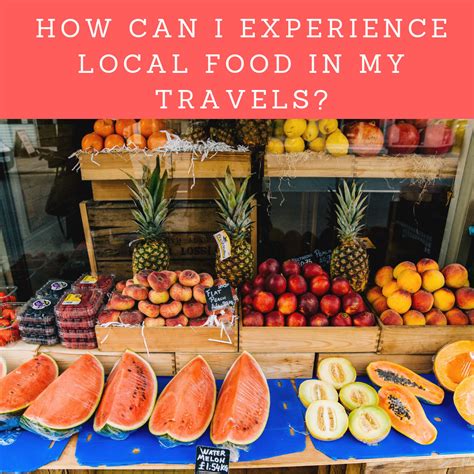
Authentic local eats are rarely found on the main tourist boulevards. Venture a few blocks away from major attractions, into residential areas or bustling local markets. Look for eateries nestled in unassuming alleyways, beneath apartment buildings, or near local businesses. These locations suggest a reliance on a local customer base rather than passing tourist traffic. Local markets, in particular, are treasure troves of genuine food experiences, often with small stalls or eateries serving fresh, seasonal fare.

Mastering the art of finding authentic local eats through visual cues takes practice, but it’s an incredibly rewarding skill for any food adventurer. Trust your instincts, embrace the unknown, and let your eyes guide you to the heart and soul of a destination’s culinary landscape. The most memorable meals are often the ones you discover by simply looking around and observing life as it happens.