How to find authentic local street eats and photograph them like a pro?

Unearthing Culinary Gems: The Quest for Authentic Street Food
Street food offers an unparalleled window into a local culture, a vibrant tapestry of flavors, aromas, and stories told through sizzling woks and bustling stalls. Beyond the main tourist thoroughfares, you’ll find the heart of a city’s culinary soul. But how do you navigate the myriad options to discover truly authentic eats, and once found, how do you capture their delicious essence in photographs that make mouths water?
The journey begins with preparation and a keen eye. Before you even set foot in a new destination, a little research goes a long way. Dive into food blogs written by locals, browse Instagram hashtags specific to your destination’s street food, and consult reputable travel guides that highlight hidden gems. Remember, the goal isn’t just to eat, but to experience.
Where to Look: Signs of Authenticity
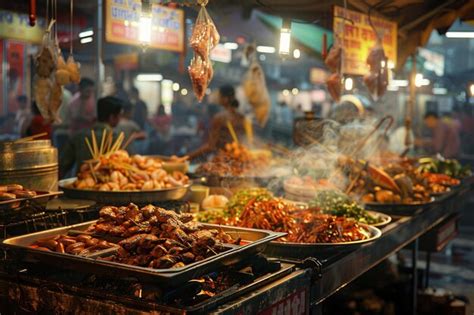
Once on the ground, hone your observational skills. The most authentic street food stalls often have the longest queues, particularly those filled with locals – this is your most reliable indicator of quality and taste. Don’t be deterred by a modest setup; sometimes the most basic stalls produce the most extraordinary flavors. Seek out vendors who specialize in one or two dishes, as this often signifies mastery rather than a broad, diluted menu.
Venture away from the immediate vicinity of major tourist attractions. While some tourist areas may have decent options, the truly local experience often lies a few blocks deeper into residential or working districts. Engage with locals; a friendly smile and a simple “Where do you eat?” can unlock culinary secrets no guide book could ever reveal. Always pay attention to basic hygiene – while a little rustic charm is part of the appeal, avoid places that look overtly unsanitary.
Mastering the Art of Street Food Photography
Gear Up (or Don’t!): Your Camera is Secondary to Your Eye
You don’t need expensive equipment to take stunning food photos. Modern smartphones are incredibly capable. If you have a DSLR or mirrorless camera, a prime lens (like a 50mm) can work wonders for capturing detail and creating beautiful bokeh. The most important tool, however, is your artistic eye and understanding of light and composition.

Light is Everything: Harnessing Natural Illumination
Natural light is your best friend. Avoid direct, harsh midday sun which creates strong shadows and blown-out highlights. The ‘golden hour’ (shortly after sunrise or before sunset) provides soft, warm light that is incredibly flattering. Overcast days offer a giant, softbox-like light source. If shooting indoors or at night, look for soft ambient light or position your dish near a window or under a diffused light source. Never use your camera’s built-in flash, which often flattens food and creates harsh reflections.
Composition: Telling a Story with Every Shot
- Angle Matters: Experiment with different perspectives. A straight-on shot can highlight the layers of a dish, while a 45-degree angle mimics how we typically view our food. Overhead (flat lay) shots are great for showing an entire spread or the intricate details of a bowl.
- Rule of Thirds: Position your main subject off-center, at one of the intersections of an imaginary grid. This creates more dynamic and engaging images.
- Depth of Field: Use a shallow depth of field (wide aperture) to blur the background and make your food pop.
- Details and Texture: Get close! Capture the glistening sauce, the crispy edges, the steam rising. These details are what make the food look appealing.
- Context and Story: Don’t just photograph the food. Include the vendor’s hands, the bustling street scene in the blurred background, or the unique serving vessel to add context and tell a richer story.
Respect and Etiquette: Photographing People and Places
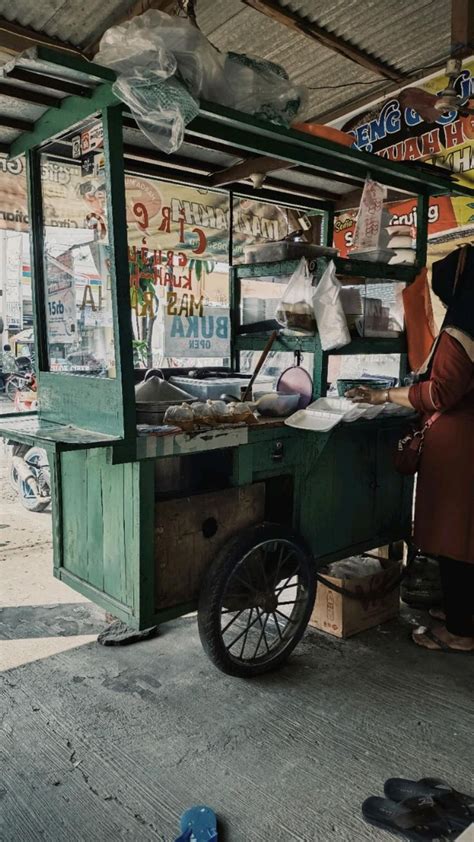
When photographing vendors or people, always ask for permission first, even if it’s just a gesture and a smile. Be quick and unobtrusive. Remember, you’re a guest in their space and they are working. Acknowledge their time and effort, perhaps by purchasing something or offering a thank you. Be mindful of not disrupting their workflow or privacy.
Savoring the Experience
Ultimately, the goal of finding and photographing street food is to enhance your travel experience and create lasting memories. While capturing that perfect shot is rewarding, don’t forget to put the camera down, soak in the atmosphere, and most importantly, enjoy the incredible flavors that these culinary adventures offer. Each bite is a story, each photograph a memory preserved.