How to find local, photogenic food gems & capture stunning foodie visuals?

Embarking on a Delicious Quest: Finding Local Flavors
There’s an unparalleled joy in discovering a local eatery, a hidden gem serving up dishes that tell a story, bursting with authentic flavors and visual appeal. Beyond just satisfying your palate, these establishments offer a chance to connect with culture and community, providing the perfect canvas for your next stunning foodie visual. But how do you sniff out these lesser-known spots, and once you do, how do you capture their essence in a way that truly makes mouths water?
The Art of Discovery: Unearthing Hidden Culinary Gems
Finding those local, photogenic food gems requires a blend of savvy research and adventurous exploration. Start by looking beyond the popular tourist traps. Dive into local blogs, community Facebook groups, and niche Instagram accounts dedicated to food in your area. Often, locals themselves are the best guides, so don’t hesitate to ask shopkeepers, taxi drivers, or friendly faces for their personal recommendations. Tools like Google Maps, Yelp, and TripAdvisor can be helpful, but try filtering by ‘local favorites’ or ‘off the beaten path’ rather than just ‘highest rated.’
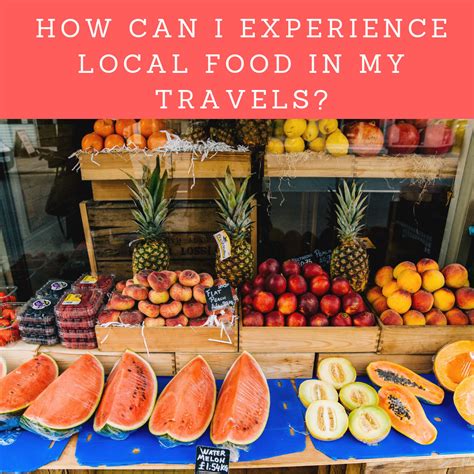
Pay attention to the aesthetics of a place. Does it have unique decor, vibrant street art nearby, or a charming rustic appeal? Look for establishments that pride themselves on their presentation, from artfully plated dishes to traditional setups that tell a visual story. Farmers’ markets, street food stalls, and family-run bakeries are often goldmines for both authentic flavors and photogenic scenes.

Mastering the Lens: Capturing Stunning Foodie Visuals
Harnessing Natural Light
The single most important factor in food photography is lighting. Natural light is your best friend. Position your dish near a window, ideally one that provides soft, diffused light, avoiding harsh direct sunlight that can create unflattering shadows. If shooting outdoors, look for open shade or a slightly overcast day. Avoid using your camera’s built-in flash, which often flattens the image and creates harsh glares.
Composition and Styling
Composition is key to making your food look irresistible. Employ the rule of thirds, placing your main subject off-center for a more dynamic image. Experiment with different angles: a direct overhead shot works wonders for bowls, flatlays, and pizzas, while a 45-degree angle is great for showing depth and texture in burgers or layered desserts. Eye-level shots can convey intimacy and connect the viewer directly with the food.
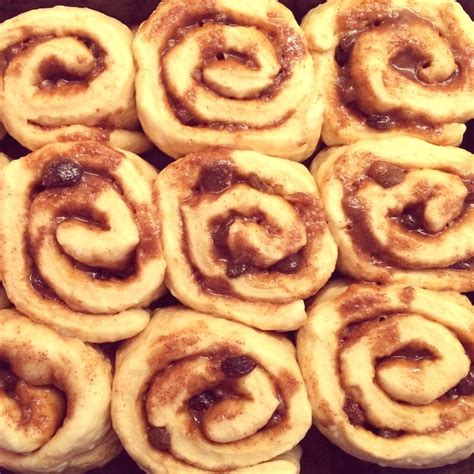
Don’t be afraid to use props! A textured napkin, a small utensil, a glass of water, or even a hand reaching for a bite can add context and storytelling to your shot. Keep backgrounds clean and uncluttered to ensure the food remains the star. Simple, neutral backgrounds often work best, allowing the colors and textures of the dish to pop.
Focus and Detail
Ensure your focus is sharp on the most appealing part of the dish – perhaps a glistening sauce, a crispy crust, or fresh herbs. Utilize a shallow depth of field (a lower f-stop) to create beautiful bokeh, blurring the background and making your food truly stand out. Capture close-ups to highlight intricate details and textures that might be missed in a wider shot.

Telling the Story: Beyond the Plate
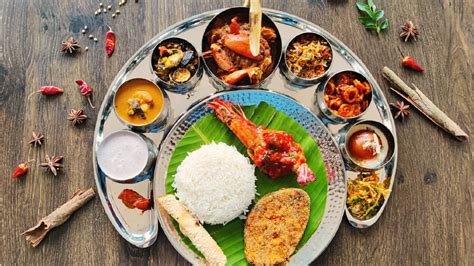
Great food photography isn’t just about the dish itself; it’s about the entire experience. Capture the ambiance of the restaurant, the steam rising from a freshly served meal, the hands of a chef at work, or the bustling energy of a market stall. These elements add depth and context, turning a simple food picture into a compelling narrative.
Think about the journey of the food – from its preparation to its presentation. A series of photos telling this story can be incredibly engaging. Focus on authenticity; let the true character of the food and its surroundings shine through. Sometimes, the most candid shots are the most captivating.
Editing for Impact
A little post-processing can elevate your photos significantly. Adjust brightness, contrast, and white balance to make your food look vibrant and appetizing. Enhance colors subtly to make them pop, but avoid over-saturation which can make food look artificial. Sharpening can bring out details and make textures more appealing. There are many user-friendly apps and software available that can help you achieve professional-looking edits quickly.
Your Next Culinary Adventure Awaits
Finding local, photogenic food gems and capturing their essence is a rewarding adventure that combines culinary exploration with creative expression. By honing your discovery skills and mastering a few key photography techniques, you’ll not only enjoy incredible meals but also create stunning visual memories that inspire others to embark on their own foodie journeys. So grab your camera, open your mind, and get ready to taste and shoot your way through your local food scene!