How to find real local food gems & capture stunning, shareable visual foodie feeds?
Embarking on a culinary adventure is one of life’s great pleasures. But beyond simply eating, there’s an immense satisfaction in unearthing those hidden local food gems and then beautifully documenting them for others to savor with their eyes. This guide will walk you through the art of discovery and the science of stunning food photography, ensuring your foodie feeds are as appetizing as your actual meals.
Unearthing Hidden Culinary Treasures
Finding authentic local eateries requires a bit of detective work and a willingness to step off the well-worn tourist path. Forget the chain restaurants and dive into the heart of a destination’s gastronomic scene.
1. Go Beyond the Tourist Traps
The best food often resides in the least expected places. Ask locals for recommendations – taxi drivers, hotel staff, shopkeepers, or even fellow diners you strike up a conversation with. They know where the real flavors are. Explore neighborhoods slightly removed from major attractions; often, these areas cater to residents and offer more authentic, affordable, and delicious options.
2. Leverage Digital Reconnaissance
While asking locals is gold, the digital world offers powerful tools too. Dive into local food blogs, niche online forums, and community Facebook groups. Search for hashtags like #localfood[cityname] or #eat[cityname] on Instagram. Look for places with reviews that highlight authenticity, family recipes, or a strong local following, rather than just high ratings from tourists.
3. Embrace Local Markets and Events
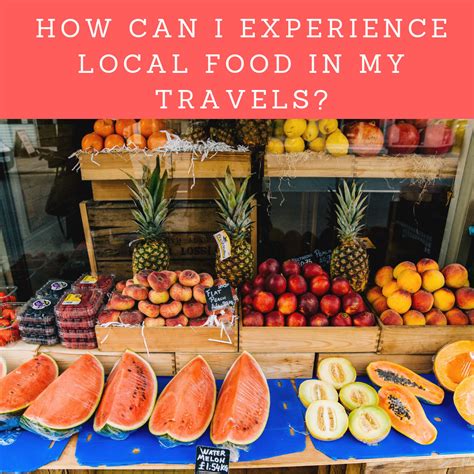
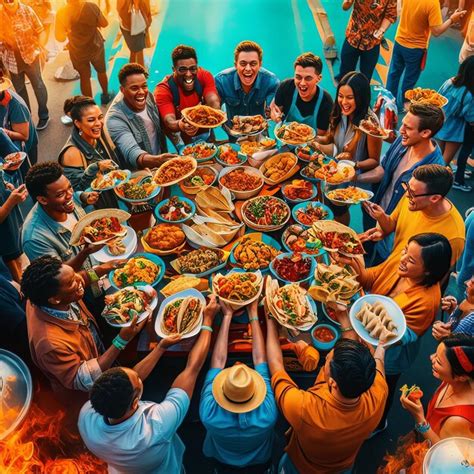
Farmer’s markets, street food festivals, and local pop-ups are fantastic places to sample a wide variety of regional specialties in one go. Not only do you get to taste fresh, seasonal ingredients, but you also get to interact directly with the producers and chefs, often learning the stories behind the food. These vibrant environments are also excellent for capturing dynamic, candid shots.
Mastering the Art of Food Photography
Once you’ve found your culinary masterpiece, the next step is to make it look as good on screen as it tastes in real life. You don’t need professional gear; a modern smartphone camera can work wonders with the right techniques.
1. Harness Natural Light
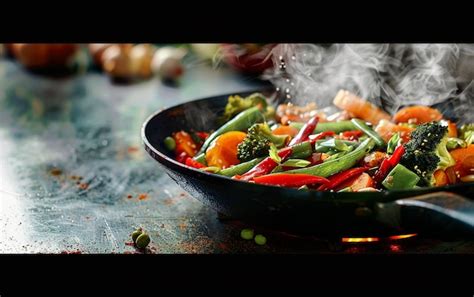
Lighting is paramount. Always try to position your dish near a window or outdoors in diffused sunlight. Avoid harsh direct sunlight, which can create strong shadows and overexposed spots. Backlighting or side lighting can highlight textures and add depth. Turn off your camera’s flash – it often creates unflattering glare and unnatural colors.
2. Compose with Care
Think about the overall scene. Use the rule of thirds to place your main subject off-center for a more engaging composition. Experiment with different angles: overhead shots (flat lays) work well for tablescapes or bowls, while eye-level shots can capture the height and layers of a burger or dessert. Don’t be afraid to leave some negative space around your food; it helps the dish stand out.
3. Focus on the Star: The Food
Ensure your food is the sharpest element in the frame. Use your phone’s tap-to-focus feature to lock onto the most appetizing part of the dish. A shallow depth of field (blurry background) can help isolate your subject and make it pop. Pay attention to plating and presentation; a beautifully arranged dish is half the battle won.
Crafting a Shareable Foodie Feed
Beyond individual stunning photos, a cohesive and engaging foodie feed tells a compelling story and keeps your audience coming back for more. Consistency and personality are key.
1. Develop Your Visual Style
Find a consistent aesthetic that reflects your personal brand. Are you bright and airy, dark and moody, rustic, or minimalist? Use consistent editing presets or filters to maintain a uniform look across your posts. This makes your feed instantly recognizable and visually appealing.
2. Tell a Story with Your Shots
Don’t just photograph the food; capture the experience. Include elements of the ambiance – the restaurant interior, a bustling street scene, or the hands preparing the dish. Use captions to share the story behind the food, the history of the place, or your personal connection to the meal. Authentic storytelling resonates deeply with followers.

3. Engage Your Audience
Use relevant hashtags to reach a broader audience, but also craft engaging captions that invite comments and questions. Respond to your followers’ comments and messages, building a community around your shared love for food. Consider collaborating with local food bloggers or restaurants to expand your reach and discover new spots.

Essential Gear and Editing Tips
While a fancy camera isn’t mandatory, a few simple tools and techniques can significantly elevate your photography.
1. Your Smartphone is Powerful
Modern smartphone cameras are incredibly capable. Learn to use its pro features if available, like adjusting exposure and white balance manually. Consider a small, portable tripod for stable shots, especially in low light, or when trying more complex compositions. A clip-on macro lens can also open up a world of detail for close-up shots.
2. Simple Editing Goes a Long Way
Even the best photo can benefit from a little post-processing. Use free editing apps like Snapseed, Lightroom Mobile, or VSCO. Focus on minor adjustments: brighten shadows, boost highlights, correct white balance for accurate colors, and add a touch of sharpness. Avoid over-editing; the goal is to enhance, not transform, the natural beauty of the food.
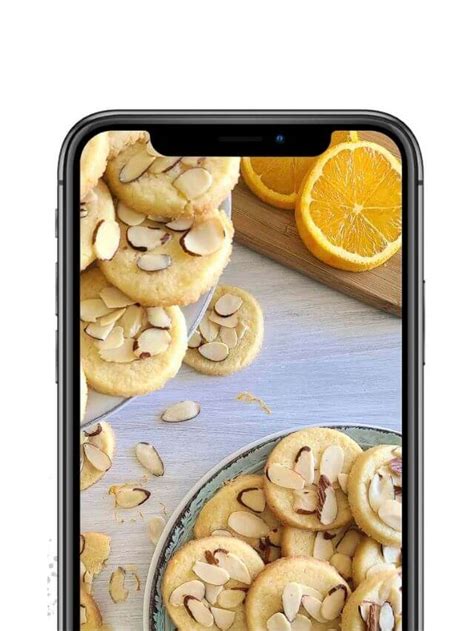
Finding local food gems and capturing them beautifully is a rewarding journey that combines exploration with artistic expression. By following these tips, you’ll not only discover incredible flavors but also build a stunning visual diary that inspires others to embark on their own delicious adventures.