How to fix recipes that look dull or lack vibrancy?
The first bite is often with the eyes. A dish’s visual appeal can significantly influence our perception of its taste and enjoyment. If your culinary creations frequently look flat, unappetizing, or simply lack that ‘wow’ factor, don’t despair. There are numerous simple yet effective techniques to transform dull recipes into vibrant, inviting masterpieces. Let’s explore how to infuse your dishes with the visual energy they deserve.
The Power of Color
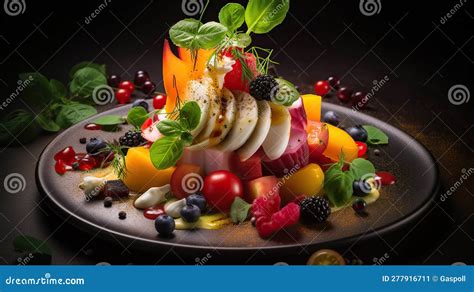
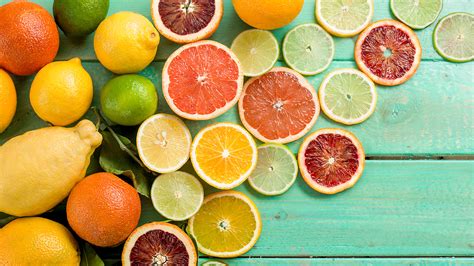
Color is arguably the most impactful element in food presentation. A plate dominated by monochrome hues can appear uninspired. Incorporating a spectrum of natural colors instantly elevates a dish’s appeal. Think beyond the main ingredients; vibrant vegetables like red bell peppers, green herbs, purple cabbage, and orange carrots can add stunning contrast. Spices like turmeric or paprika can also lend a beautiful golden or reddish tint. Don’t shy away from fresh fruits as well, such as berries or citrus, for a pop of brightness.

Enhancing Texture and Contrast
A visually dynamic dish often boasts a variety of textures. A plate full of soft ingredients can feel monotonous. Introducing different textures provides both a sensory experience and visual intrigue. Consider adding crunch with toasted nuts, seeds, croutons, or crisp-fried onions. Creamy elements like a swirl of crème fraîche, a dollop of fresh ricotta, or a smooth puree can provide a beautiful contrast to more solid components. Even simply cooking vegetables to varying degrees of tenderness can offer textural interest.
Mastering the Art of Garnish
Garnishes are not merely decorative; they’re the finishing touch that can pull a dish together, adding freshness, aroma, and a final burst of color. Fresh herbs like parsley, cilantro, mint, or dill are classic choices. A sprinkle of citrus zest, a few edible flowers, toasted sesame seeds, or a finely chopped chili can make a world of difference. The key is to choose garnishes that complement, rather than overpower, the dish’s flavor and to apply them sparingly and intentionally.
Thoughtful Plating Techniques
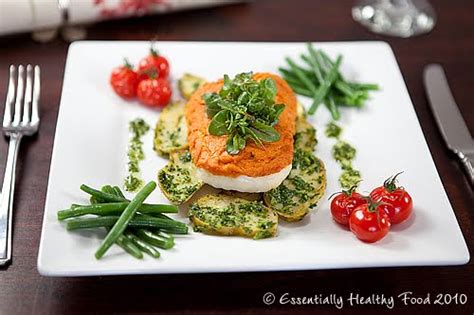
Even the most delicious food can look unappealing if haphazardly dumped on a plate. Intentional plating transforms a meal into an art form. Consider principles like creating height (stacking ingredients), using negative space (leaving some parts of the plate empty to highlight the food), and adhering to the rule of thirds (placing key elements off-center). Clean the edges of your plate before serving to ensure a polished look. A well-composed plate guides the eye and invites appreciation.
Strategic Use of Sauces and Drizzles
Sauces and drizzles can be more than just flavor enhancers; they are powerful tools for adding visual drama and unifying elements on a plate. Use contrasting colored sauces – a bright red pepper coulis on a green vegetable, a dark balsamic glaze on a light dish – to create patterns or pools. A simple swirl, a few artful dots, or a delicate drizzle across the plate can add sophistication and visual flow. Ensure the sauce’s consistency allows for clean lines and shapes.

Conclusion
Transforming a dull dish into a vibrant culinary delight is a skill that develops with practice and observation. By paying attention to color, texture, thoughtful plating, and strategic garnishes, you can significantly enhance the visual appeal of your home-cooked meals. Don’t be afraid to experiment, look for inspiration in cookbooks or online, and remember that an appetizing appearance often paves the way for a more enjoyable eating experience. Happy cooking!