How to get perfectly golden, crispy roasted vegetables every time for stunning visuals?

Unlock the Secret to Restaurant-Quality Roasted Vegetables
Roasted vegetables are a staple side dish, cherished for their simplicity and incredible flavor. Yet, too often, they emerge from the oven pale, soggy, or unevenly cooked. If you’ve ever dreamt of serving perfectly golden, irresistibly crispy vegetables that not only taste amazing but also look like they belong in a gourmet magazine, you’ve come to the right place. Say goodbye to culinary disappointment and prepare to master the art of the perfect roast.
The Foundation: Choosing and Preparing Your Produce
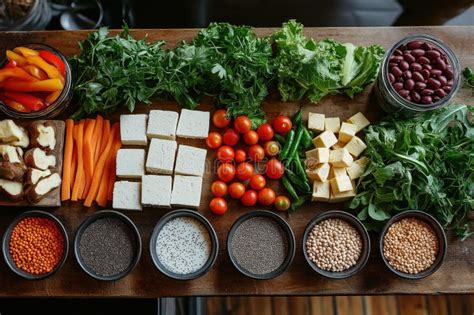
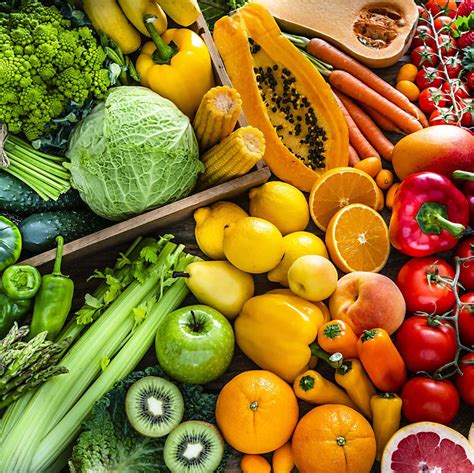
The journey to crispy perfection begins with the right ingredients and meticulous preparation. Opt for firm, fresh vegetables without blemishes. Root vegetables like carrots, potatoes, parsnips, and sweet potatoes are excellent choices, as are cruciferous varieties such as broccoli, cauliflower, and Brussels sprouts. Hard squashes like butternut or acorn also roast beautifully.
- Wash and Thoroughly Dry: This step cannot be stressed enough. Moisture is the arch-nemesis of crispiness. After washing, pat your vegetables completely dry with a kitchen towel or use a salad spinner for greens.
- Uniform Cuts: Consistency is key for even cooking. Cut all your vegetables into roughly similar sizes and shapes. This ensures they all finish roasting at the same time, preventing some from burning while others remain undercooked.
The Oil and Seasoning Strategy
The right fat and proper seasoning are vital for both flavor and texture.
- Choose the Right Oil: Use an oil with a high smoke point, such as avocado oil, grapeseed oil, or light olive oil. Extra virgin olive oil can work, but for higher temperatures, the alternatives are safer against burning.
- The Right Amount of Oil: You want just enough to lightly coat each piece of vegetable, not drench it. Too much oil will lead to greasy, steamed vegetables rather than crispy ones. A good rule of thumb is about 1-2 tablespoons per pound of vegetables.
- Season Generously: Don’t be shy with seasoning. Salt is essential for drawing out flavor and aiding in browning. Freshly ground black pepper, garlic powder, onion powder, paprika, or herbs like rosemary, thyme, or oregano all elevate the taste. Season before roasting to allow flavors to meld.
The Heat Factor: Oven Temperature is Non-Negotiable
High heat is crucial for achieving that coveted golden-brown crust.
- Preheat Aggressively: Always preheat your oven to a high temperature, ideally between 400-425°F (200-220°C). A hot oven ensures the vegetables start browning immediately upon contact with the pan.
- Use the Right Pan: Heavy-duty baking sheets or cast iron pans are your best friends. They conduct heat efficiently and maintain a consistent temperature, promoting browning. Avoid glass dishes, as they tend to steam vegetables more than roast them.
Space is Your Friend: Avoid Crowding the Pan
This is perhaps the single most critical factor often overlooked. When vegetables are too close together on a baking sheet, they release moisture, creating steam. This steamy environment prevents browning and leads to soggy results. Think of it as a sauna for your veggies, not a tanning bed!
- Single Layer: Always arrange your vegetables in a single layer, ensuring each piece has ample space around it.
- Two Pans if Necessary: If your vegetables won’t fit comfortably in a single layer on one pan, use two. It’s better to wash an extra pan than to end up with subpar roasted vegetables.
The Roasting Process and Finishing Touches
Now that your oven is hot and your veggies are prepped and spaced, it’s time to roast.
- Roasting Time: Depending on the vegetable and cut size, roasting usually takes anywhere from 20-45 minutes. Harder root vegetables will take longer than softer ones like bell peppers.
- Flip or Toss: For even browning, flip or toss the vegetables halfway through the roasting time. This exposes all sides to the hot pan and air.
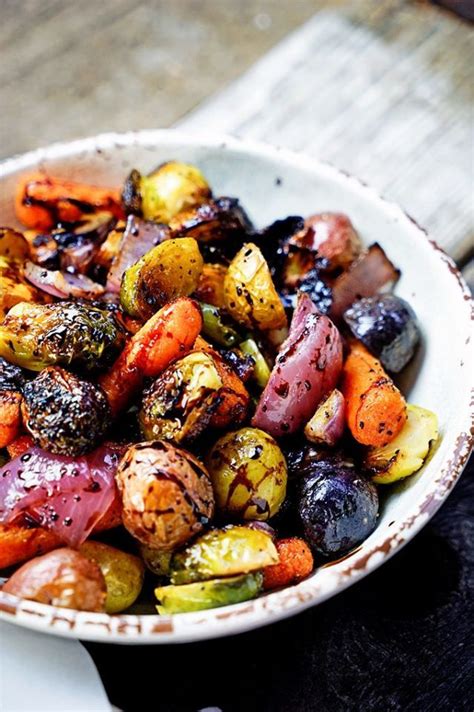
- Look for Golden-Brown: You’re aiming for deep golden-brown spots and tender interiors. Don’t be afraid to let them get some good color!
- Optional Finishing Touches: A squeeze of fresh lemon juice at the end can brighten flavors, or a sprinkle of fresh herbs like parsley or cilantro can add a pop of color and aroma just before serving.
Conclusion: Your Path to Roasting Mastery
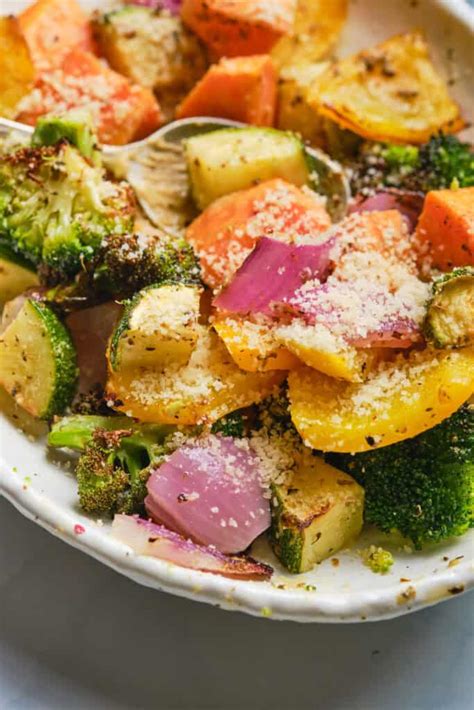
By following these straightforward yet crucial techniques – thorough drying, uniform cuts, proper oiling and seasoning, high heat, and ample space – you’ll transform your roasted vegetables from an ordinary side dish into a culinary showstopper. Prepare to impress yourself and your guests with beautifully golden, irresistibly crispy creations every single time. Happy roasting!