How to keep cooked vegetables vibrant & crisp, not soggy?

The Secret to Perfectly Crisp & Vibrant Vegetables
There’s nothing quite as disappointing as expecting a plate of vibrant, crisp vegetables only to be met with a soggy, bland mess. The good news is, achieving that perfect texture and brilliant color isn’t a culinary mystery. It boils down to understanding a few key principles of heat, moisture, and timely handling. By mastering these techniques, you can ensure your cooked vegetables always shine, whether they’re a side dish or the star of your meal.
The primary culprit behind soggy vegetables is often overcooking, which breaks down their cellular structure, releasing too much water. But improper cooling and storage can also play a significant role. Let’s dive into how to prevent this common kitchen woe and keep your veggies at their best.

Mastering Cooking Methods for Crispness
1. High Heat, Short Cook Time
This is arguably the most crucial rule for maintaining crispness. Quick cooking at a high temperature caramelizes the outside while keeping the interior tender-crisp. Methods like roasting, stir-frying, and grilling are excellent for this.
- Roasting: Preheat your oven and baking sheet to a high temperature (around 400-425°F or 200-220°C). Don’t overcrowd the pan; give vegetables space to roast, not steam. A single layer ensures even browning and crisp edges.
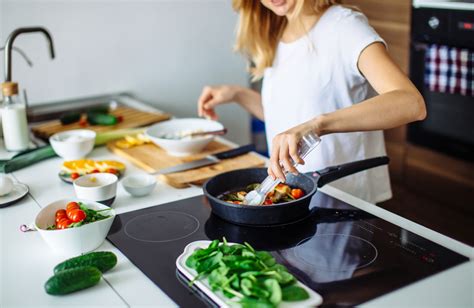
- Stir-Frying: Use a very hot wok or large skillet with a small amount of oil. Add vegetables in batches if necessary to maintain high heat. Keep them moving constantly for even cooking.
2. Blanching and Shocking
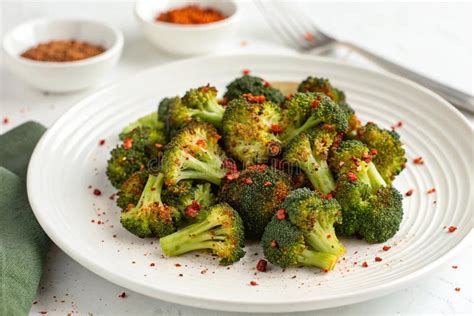
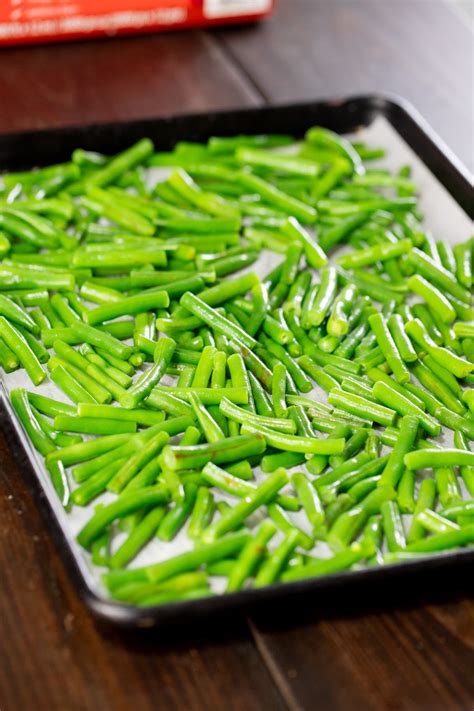
For certain vegetables like green beans, broccoli, or asparagus, blanching followed by an ice bath is a fantastic way to set their vibrant color and tender-crisp texture. Blanching involves briefly cooking vegetables in boiling water, then immediately plunging them into ice water to halt the cooking process. This technique preserves their bright color and gives them a slight crispness that’s perfect for salads or quick reheating.
3. Proper Seasoning Timing
Adding salt too early can draw moisture out of vegetables, leading to a softer texture. For maximum crispness, especially with roasting or sautéing, add most of your salt towards the end of the cooking process, or even just before serving.
Post-Cooking Care: Cooling and Draining
Once cooked, how you handle your vegetables is just as important as how you cook them. Leaving hot vegetables piled up in a bowl or covered container will trap steam, turning them soggy very quickly.
- Spread Them Out: Immediately after cooking, spread your vegetables in a single layer on a plate, baking sheet, or wire rack. This allows steam to escape and helps them cool down rapidly, preserving their texture.
- Drain Excess Moisture: If your cooking method resulted in any residual liquid, make sure to drain it thoroughly before storing.
Smart Storage for Lasting Crispness
Proper storage is key to extending the life of your crisp, cooked vegetables.
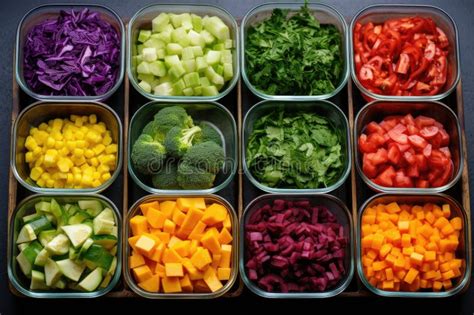
- Airtight, but Ventilated: Store cooled vegetables in airtight containers in the refrigerator. However, if you notice condensation forming, place a paper towel inside the container to absorb excess moisture, changing it if it becomes damp.
- Separate Storage: Keep cooked vegetables separate from other foods that might release moisture or odors.
- Avoid Covering When Warm: Never cover or store vegetables while they are still warm, as this will trap steam and lead to sogginess.
Reheating Without Sacrificing Texture
Reheating can often be the downfall of perfectly cooked vegetables. Avoid the microwave if possible, as it tends to steam vegetables and make them soft.
- Oven or Air Fryer: The best methods for reheating are the oven or an air fryer. Spread vegetables in a single layer on a baking sheet and heat at 350-400°F (175-200°C) for a few minutes until warmed through and crisp again.
- Quick Sauté: A quick sauté in a hot pan with a tiny bit of oil can also revive their crispness.
Conclusion
Keeping cooked vegetables vibrant and crisp isn’t just about good cooking; it’s about smart handling every step of the way. By choosing high-heat cooking methods, cooling rapidly, storing correctly, and reheating wisely, you can bid farewell to soggy veggies and enjoy their fresh, satisfying crunch in every meal. Experiment with these tips and elevate your vegetable game!