How to keep fresh herbs vibrant and fresh longer for optimal flavor?

The Secret to Long-Lasting Fresh Herbs
Fresh herbs are the soul of many dishes, infusing vibrant flavors and aromas that dried herbs simply can’t replicate. However, their delicate nature often means they wilt and spoil quickly, leading to wasted ingredients and diminished culinary joy. The good news is that with a few simple, effective storage techniques, you can significantly extend the life of your fresh herbs, keeping them vibrant and potent for much longer.
Understanding Herb Types: Tender vs. Hardy
The key to successful herb storage lies in understanding the differences between tender and hardy herbs. This distinction dictates the best method for preserving their freshness:
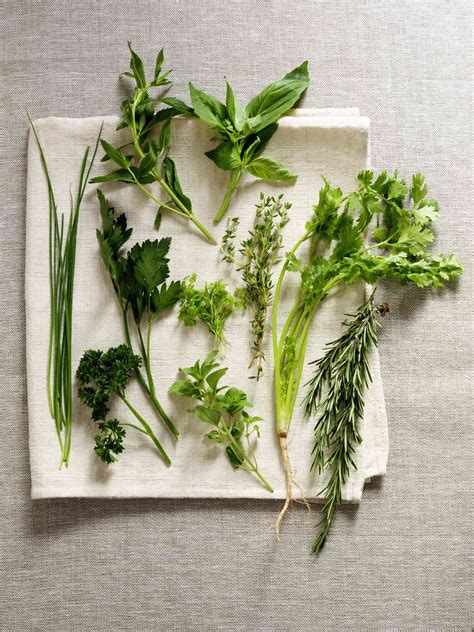
- Tender Herbs: These have soft stems and delicate leaves, such as parsley, cilantro, basil, mint, tarragon, and dill. They thrive on moisture.
- Hardy Herbs: Characterized by woody stems and tougher leaves, including rosemary, thyme, oregano, sage, and chives. They are more robust but still benefit from proper care.
Storage Methods for Tender Herbs
Tender herbs are like cut flowers – they love a drink of water!
The Water Glass Method
This is arguably the most popular and effective method for most tender herbs, particularly parsley, cilantro, and mint. Trim about an inch off the bottom of the stems, remove any leaves that would fall below the waterline, and place the herb bunch upright in a glass or jar filled with an inch or two of water. Loosely cover the herbs and glass with a plastic bag (or use a specialized herb saver) to create a mini-greenhouse effect that traps moisture. Store this in the refrigerator (except for basil, which prefers room temperature as it can blacken in the cold).

Damp Paper Towel Wrap
For basil, which doesn’t fare well in the fridge, or if you’re short on space, wrap the clean, dry herbs loosely in a slightly damp paper towel. Place this bundle inside a resealable plastic bag or an airtight container. This method can also work for other tender herbs, but the water glass method is generally superior for longevity.
Storage Methods for Hardy Herbs
Hardy herbs are a bit more forgiving but still benefit from careful treatment.
Damp Paper Towel and Plastic Bag
Wash and thoroughly dry your hardy herbs (rosemary, thyme, oregano, sage). Lay them flat on a slightly damp paper towel, then roll the paper towel around the herbs. Place this roll into a resealable plastic bag or an airtight container. Store in the refrigerator. The dampness prevents them from drying out, while the bag protects them from excess moisture and air circulation that can cause wilting.

Beyond Refrigeration: Long-Term Solutions
When you have an abundance of herbs, or want to preserve them for extended periods, consider these methods.
Freezing Herbs
Freezing is an excellent way to capture the fresh flavor of herbs for months. You can chop them finely and freeze them in ice cube trays with a little olive oil or water. Once frozen, pop out the cubes and store them in a freezer-safe bag. This is perfect for adding to soups, stews, or sauces. Alternatively, simply chop herbs and spread them on a baking sheet to freeze individually before transferring to a freezer bag.

Drying Herbs
Drying works best for hardy herbs with lower moisture content. Bunch herbs together, tie them, and hang them upside down in a cool, dark, well-ventilated area until brittle. You can also use a dehydrator or a low oven setting. Once dry, crumble the leaves and store them in airtight containers away from direct sunlight.
Tips for Maximizing Flavor and Longevity
- Clean Before Storing: Gently wash herbs to remove dirt, then dry them thoroughly, especially if using the paper towel method. Excess moisture can lead to mold.
- Avoid Crowding: Give your herbs space, whether in a glass or a bag, to allow for air circulation and prevent bruising.
- Check Regularly: Inspect your herbs every few days, removing any leaves that show signs of spoilage to prevent it from spreading.
- Store Away from Ethylene: Some fruits (like apples, bananas, and tomatoes) release ethylene gas, which can accelerate the ripening and spoilage of nearby produce, including herbs. Store herbs away from these fruits.

By implementing these simple yet effective storage strategies, you can significantly extend the life and potency of your fresh herbs. This not only reduces food waste but also ensures that you always have vibrant, flavorful ingredients on hand to elevate your home cooking, making every meal a little more special.