How to keep fresh herbs vibrant & flavorful for foodie feasts?
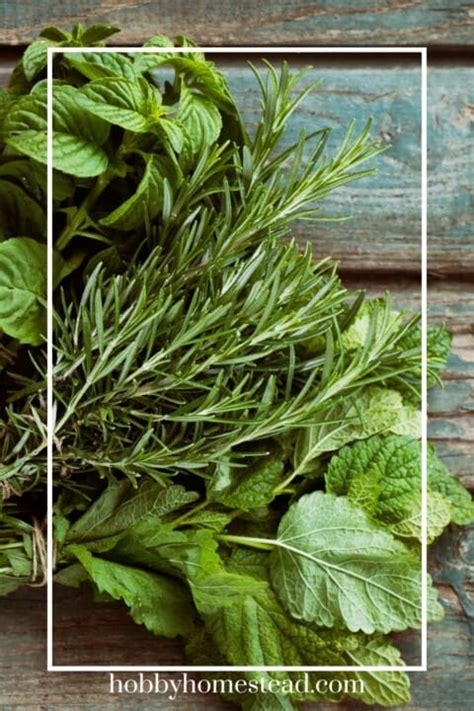
Fresh herbs are the soul of any gourmet dish, transforming ordinary ingredients into extraordinary culinary experiences. Their vibrant colors, aromatic fragrances, and potent flavors are indispensable for any foodie feast. However, maintaining their freshness can often feel like a race against time. Withered, discolored herbs can quickly dampen culinary enthusiasm. Fear not! With a few clever tricks and proper storage techniques, you can keep your beloved herbs vibrant and bursting with flavor for much longer.
Why Fresh Herbs Wilt and How to Prevent It
Herbs, much like delicate flowers, are sensitive to their environment. Exposure to air, improper moisture levels, and fluctuating temperatures are their primary adversaries. Understanding these factors is the first step to preserving their vitality. Most herbs thrive in cool, slightly humid environments, but some, like basil, are exceptions to this rule.
The Vase Method: A Drink for Your Soft Herbs
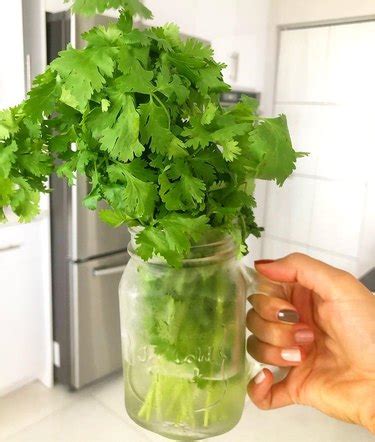
This method is ideal for soft-stemmed herbs like parsley, cilantro, dill, mint, and tarragon. Treat them like a bouquet of flowers:
- Trim the very bottom of the stems, much like you would cut flower stems.
- Fill a glass jar or vase with about an inch of water.
- Place the herbs upright in the water, ensuring only the stems are submerged.
- Loosely cover the herbs and jar with a plastic bag (a produce bag works perfectly), creating a mini greenhouse effect.
- Store this setup in the refrigerator. Change the water every couple of days.
The Damp Paper Towel Roll: For Moisture-Loving Herbs
Another excellent method for soft, leafy herbs like chives, dill, and even cilantro, is the damp paper towel roll technique. This works wonders by maintaining a consistent, gentle humidity.
- Gently wash and thoroughly dry your herbs. Excess moisture can lead to rot.
- Lay the herbs flat on a slightly damp paper towel.
- Roll the herbs tightly in the paper towel.
- Place the rolled herbs inside a sealable plastic bag or an airtight container.
- Store in the refrigerator.
The Dry Wrap Method: Woody Herbs’ Best Friend
Hardier, woody-stemmed herbs such as rosemary, thyme, oregano, and sage prefer a slightly drier storage environment. They don’t need the same amount of moisture as their softer counterparts.
- Do not wash these herbs until you are ready to use them.
- Wrap the herb sprigs loosely in a dry paper towel.
- Place the paper-towel-wrapped herbs in a loosely sealed plastic bag or an unsealed container.
- Store in the crisper drawer of your refrigerator.
Basil’s Peculiar Preference: The Countertop Rule
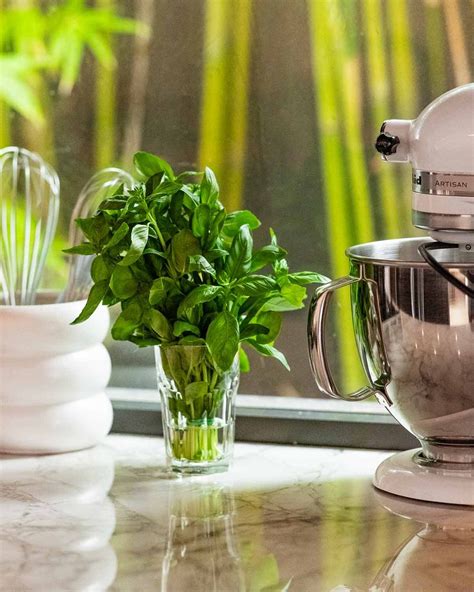
Basil is the rebel of the herb world and hates the cold. Refrigeration can quickly turn its delicate leaves black and diminish its flavor. For basil, follow these steps:
- Trim the stems and place the bunch in a glass of water, just like the vase method for soft herbs.
- Do NOT cover it.
- Keep it on your kitchen counter, away from direct sunlight and drafts.
- Change the water daily.
Long-Term Solutions: Freezing Herbs
When you have an abundance of herbs and want to preserve their flavor for months, freezing is a fantastic option. This method works well for most herbs, especially those you plan to cook with rather than use fresh as a garnish.
- Finely chop your herbs.
- Fill ice cube trays about two-thirds full with the chopped herbs.
- Pour olive oil or melted butter over the herbs to cover them. Alternatively, use water.
- Freeze until solid, then transfer the herb cubes to a freezer-safe bag.
- Pop out a cube whenever your recipe calls for fresh herbs!

Reviving Wilting Herbs: A Quick Dip
If your herbs have started to look a bit sad and wilted, don’t despair! A quick ice water bath can often bring them back to life. Submerge the herbs (leaves and stems) in a bowl of ice water for 15-30 minutes. The cold water helps them rehydrate and regain some crispness.
Beyond Storage: Maximizing Flavor in Your Feasts
Proper storage is only half the battle. To truly elevate your foodie feasts, remember these tips:
- Add at the right time: Delicate herbs (parsley, cilantro, basil) are best added at the end of cooking or as a garnish. Robust herbs (rosemary, thyme, sage) can withstand longer cooking times and are often added early to infuse dishes deeply.
- Taste as you go: Fresh herbs vary in potency. Always taste and adjust.
- Grow your own: Nothing beats herbs plucked fresh from your own garden or windowsill.
Conclusion
With these practical storage techniques, you can say goodbye to wasted, wilted herbs and hello to a kitchen perpetually stocked with vibrant, flavorful additions for all your culinary creations. Embrace these methods, and your foodie feasts will forever sing with the fresh, aromatic notes of perfectly preserved herbs.