How to keep fresh herbs vibrant & flavorful for visual foodie feasts?
Why Fresh Herbs Are More Than Just Garnish
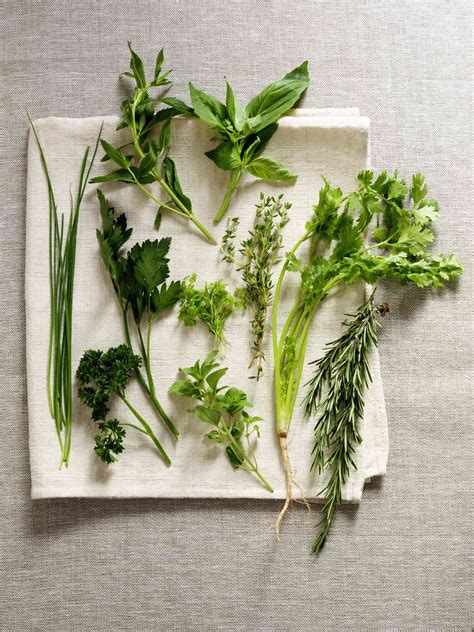
Fresh herbs are the unsung heroes of many dishes, offering a burst of flavor, a delightful aroma, and, crucially for the modern foodie, an undeniable visual appeal. A perfectly placed sprig of parsley or a scattering of vibrant cilantro can transform a plate from mere sustenance into a feast for the eyes. However, their delicate nature means they often wilt and lose their luster long before they can fulfill their destiny on your Instagram-worthy meal. Learning proper storage techniques is key to maintaining their vibrancy and ensuring they’re always ready for your next culinary masterpiece.
The challenge lies in their high water content and susceptibility to external factors like temperature, humidity, and ethylene gas. Once picked, herbs begin to dehydrate rapidly, leading to wilting and discoloration. Understanding how to combat these elements is the first step towards herb longevity.
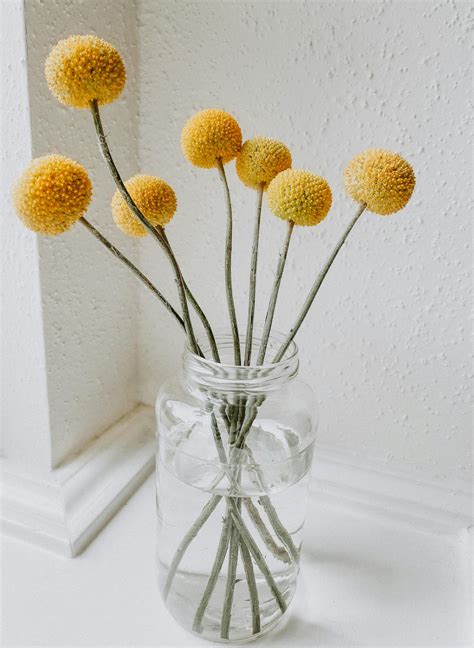
The Bouquet Method: Ideal for Sturdy Stems
This classic method works wonders for herbs with sturdier stems like parsley, cilantro, dill, mint, and even chives. It mimics how fresh flowers are kept in a vase, providing a continuous supply of water to the stems.
- Trim the Ends: Just like flowers, snip about half an inch off the bottom of the stems. This opens up the capillaries, allowing them to absorb water more efficiently.
- Water Bath: Place the trimmed herbs upright in a glass jar or container with about an inch of fresh water at the bottom. Ensure only the stems are submerged, not the leaves.
- Cover and Refrigerate (Mostly): Loosely cover the herbs and the jar with a plastic bag (a produce bag works perfectly). This creates a humid microclimate, preventing dehydration. Place the jar in the refrigerator.
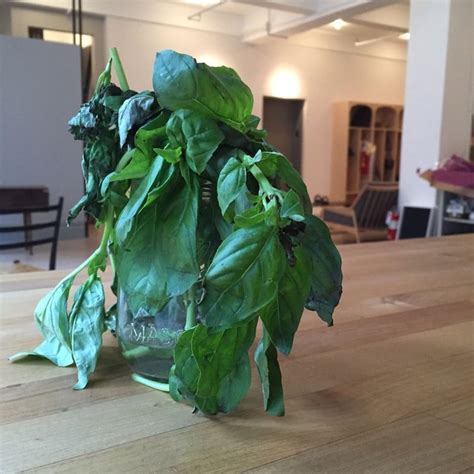
- Basil Exception: Basil is sensitive to cold and will blacken in the fridge. For basil, follow the same method but keep it on the countertop away from direct sunlight.
- Change Water Daily: Refresh the water every day or two to prevent bacterial growth.
The Paper Towel Roll: Best for Delicate Leaves
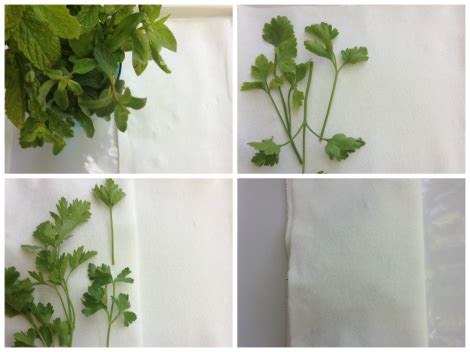
For more delicate, flat-leafed herbs such as tarragon, oregano, or thyme, a different approach can be more effective. This method protects their delicate leaves from bruising and keeps them perfectly moist.
- Dampen a Paper Towel: Lightly moisten a paper towel, ensuring it’s damp but not dripping wet.
- Wrap Gently: Lay the herbs flat on the paper towel and gently roll them up.
- Seal in a Bag: Place the wrapped herbs into a plastic zip-top bag or an airtight container.
- Refrigerate: Store in the crisper drawer of your refrigerator. This method helps maintain a consistent moisture level around the leaves without over-saturating them.
Long-Term Solutions: Freezing for Future Flavor
When you have an abundance of herbs or want to preserve their flavor for longer periods, freezing is an excellent option. While frozen herbs may not retain their crisp texture for garnishing, they are perfect for adding flavor to cooked dishes, soups, stews, and sauces.
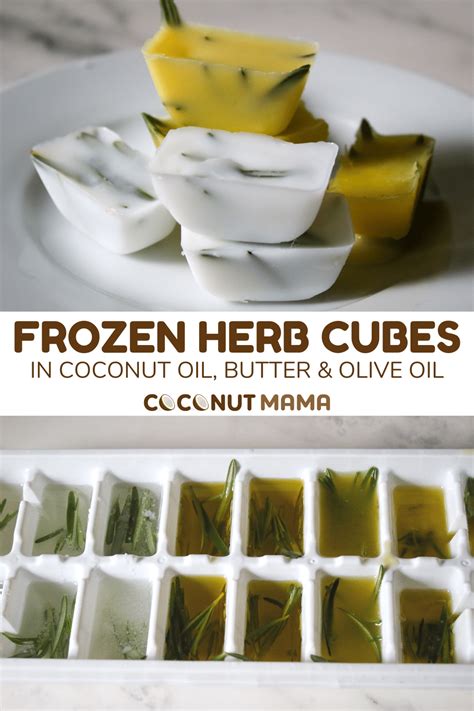
- Herb Cubes: Finely chop your herbs and pack them into ice cube trays. Pour olive oil or water over them, then freeze. Once solid, transfer the cubes to a freezer-safe bag. Pop a cube into your pan as needed for instant flavor.
- Direct Freezing: For some herbs like dill or parsley, you can simply chop them and freeze them flat in a single layer on a baking sheet before transferring them to a freezer bag. This allows you to easily grab a pinch whenever you need it.
Reviving Wilting Herbs: An Emergency Fix
Accidentally let your herbs droop a bit? Don’t despair! A quick ice bath can often bring them back to life. Submerge the entire bunch of herbs (leaves and stems) in a bowl of ice water for about 15-30 minutes. The cold water helps them rehydrate and crisp up, making them presentable for that last-minute garnish.
Presentation Perfection: Using Herbs for Visual Feasts
Once your herbs are vibrant and flavorful, how do you make them shine in your visual foodie feasts? Always add fresh herbs at the very end of cooking, or just before serving, to preserve their color and aroma. A light sprinkle, a neatly placed sprig, or a vibrant swirl of pesto made with fresh basil can elevate any dish. Think about contrasting colors and textures – green herbs against a creamy sauce or a brightly colored vegetable dish. A little creativity in placement goes a long way in making your meals truly picture-perfect.

Mastering the art of herb preservation means you’ll always have a fresh, flavorful, and visually stunning ingredient at your fingertips. No more last-minute grocery runs for wilted herbs – just vibrant green goodness ready to transform your next meal into a truly delectable and Instagram-worthy experience.