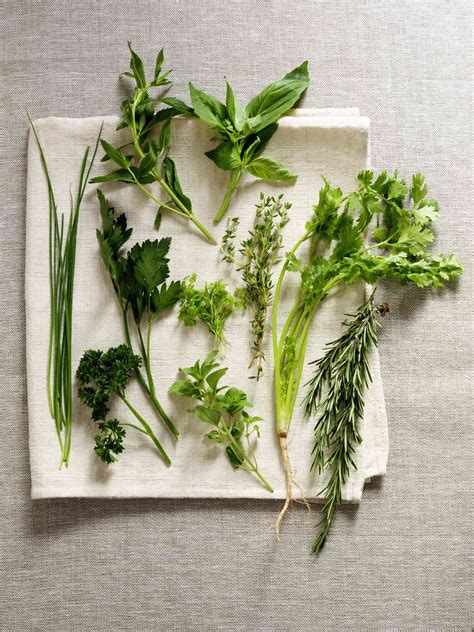
How to keep fresh herbs vibrant for a week for gourmet garnishes?

The Culinary Secret to Lasting Freshness
Fresh herbs are the soul of any gourmet dish, providing vibrant flavors, enticing aromas, and crucial visual appeal as garnishes. However, their delicate nature often means they wilt and lose their potency within days of purchase. This common kitchen dilemma can be frustrating, especially when you’ve invested in high-quality ingredients. But what if you could extend the life of your parsley, cilantro, dill, and mint for an entire week, ensuring they’re always ready to elevate your culinary creations? The good news is, with a few simple techniques, you absolutely can.

Understanding Herb Types and Their Needs
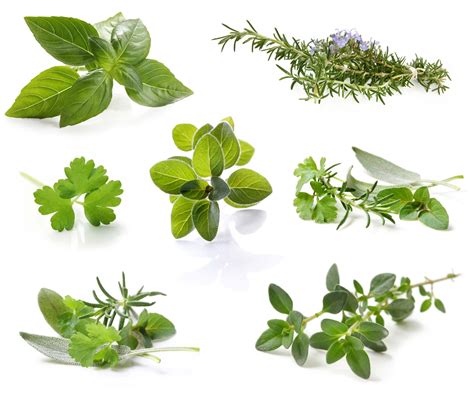
Not all herbs are created equal when it comes to storage. Broadly, they can be categorized into two groups: “hardy” herbs with woody stems and “delicate” herbs with tender leaves. Understanding these distinctions is key to choosing the right preservation method. Hardy herbs like rosemary, thyme, oregano, and parsley often prefer different conditions than delicate ones such as cilantro, dill, mint, and basil.
Method 1: The Water Bath for Hardy Herbs
This method is excellent for robust, long-stemmed herbs like parsley, cilantro, dill, and even chives (though chives might be better suited for the paper towel method if very short). Treat them like a bouquet of flowers:
- Trim the Stems: Snip about half an inch off the bottom of the stems. This opens up the capillaries, allowing them to absorb water more effectively.
- Place in Water: Stand the herbs upright in a glass jar or vase filled with about an inch of fresh water. Make sure only the stems are submerged, not the leaves.
- Cover Loosely: Loosely cover the herbs and the top of the jar with a plastic bag. This creates a mini-greenhouse effect, trapping moisture and preventing dehydration.
- Refrigerate: Place the entire setup in the refrigerator. Change the water every day or two to keep it fresh. Most hardy herbs will thrive for a week or more using this method.
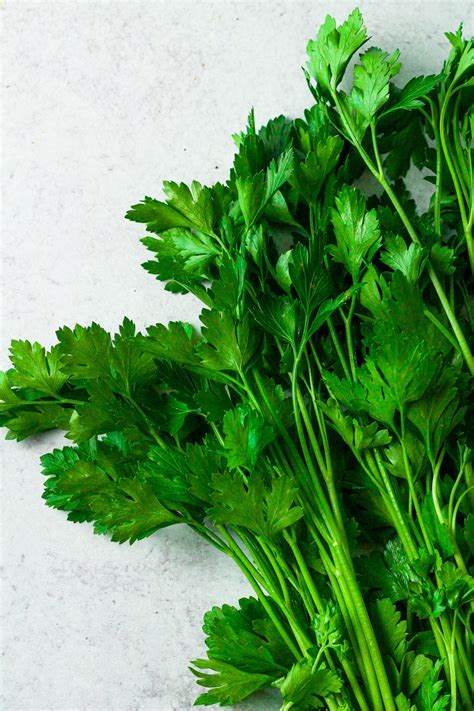
Method 2: The Damp Paper Towel Roll-Up for Delicate Herbs
For more delicate, leafy herbs or those with shorter stems like mint, dill (if not using the water bath), and chives, the damp paper towel method works wonders. This also works well for cilantro if you prefer not to use the water bath method for it.
- Wash and Dry Gently: If you must wash them before storage (generally, it’s better to wash right before use), do so very gently. Crucially, dry them thoroughly using a salad spinner or by patting them very carefully with paper towels. Excess moisture can lead to rot.
- Wrap and Roll: Lay the dried herbs in a single layer on a lightly dampened paper towel. Roll them up gently but firmly.
- Seal in a Container: Place the rolled-up herbs into an airtight container or a resealable plastic bag. The airtight seal prevents air exposure, while the damp paper towel provides just enough moisture.
- Refrigerate: Store in the crisper drawer of your refrigerator. Check on them every couple of days and re-dampen the paper towel if it starts to dry out.
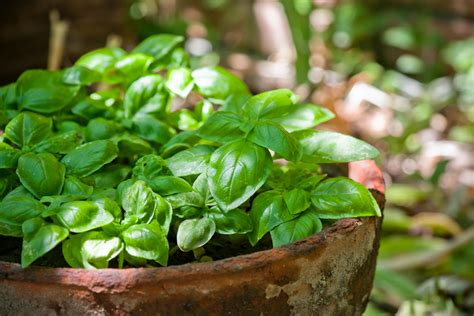
Special Consideration: Basil
Basil is notoriously finicky. It dislikes cold temperatures and can turn black quickly in the refrigerator. The best way to store basil depends on your climate and how quickly you plan to use it:
- Room Temperature (Short-Term): For basil you plan to use within a few days, treat it like a bouquet: trim stems, place in a jar of water, and leave it on your counter away from direct sunlight. Do not cover.
- Refrigerator (Longer-Term with Caution): If you must refrigerate basil for longer storage, use the water bath method but place a plastic bag loosely over the leaves, ensuring it doesn’t touch the cold back wall of the fridge. Some suggest adding a little olive oil to the water, but changing the water daily is more critical. Alternatively, a completely dry storage (no washing, just wrap in dry paper towel and bag) in a warmer part of the fridge might work, but it’s risky.
Tips for Maximizing Herb Lifespan and Revival
- Avoid Washing Until Use: Unless absolutely necessary for the paper towel method, avoid washing herbs until just before you’re ready to use them. Excess moisture promotes spoilage.
- Regular Checks: Periodically check your stored herbs for any signs of wilting, discoloration, or mold. Remove any affected sprigs immediately to prevent spread.
- Revive Wilted Herbs: If your herbs look a little sad but aren’t spoiled, an ice water bath can often bring them back to life. Submerge them in a bowl of ice water for 15-30 minutes. This method works particularly well for lettuce and leafy greens, but can also help revive slightly droopy herbs.
- Harvesting from a Garden: If you’re harvesting your own herbs, do it in the morning after the dew has dried but before the sun is too strong.

Elevate Your Culinary Creations
With these simple yet effective storage techniques, you no longer have to mourn quickly wilting herbs. Fresh, vibrant herbs are now within your grasp, ready to add that professional touch and burst of flavor to your everyday meals and special gourmet dishes. From a sprinkle of finely chopped chives on scrambled eggs to elegant sprigs of dill on salmon, ensuring your herbs stay fresh for a week will transform your kitchen experience and elevate your culinary artistry.