How to keep fresh herbs vibrant for beautiful garnishes & peak flavor?
Fresh herbs are culinary magic, transforming a simple dish into a gourmet experience with their vibrant flavors and aromatic appeal. However, keeping them fresh and perky can feel like a fleeting dream. Wilting leaves and lost potency are common frustrations, but with the right techniques, you can extend their lifespan significantly, ensuring they’re always ready for beautiful garnishes and peak culinary performance.
Understanding Herb Types and Their Needs
Not all herbs are created equal, and their storage needs vary based on their structure. Generally, herbs can be categorized into two main groups: hardy and tender. Knowing the difference is the first step to successful preservation.
Tender Herbs: The Delicate Ones
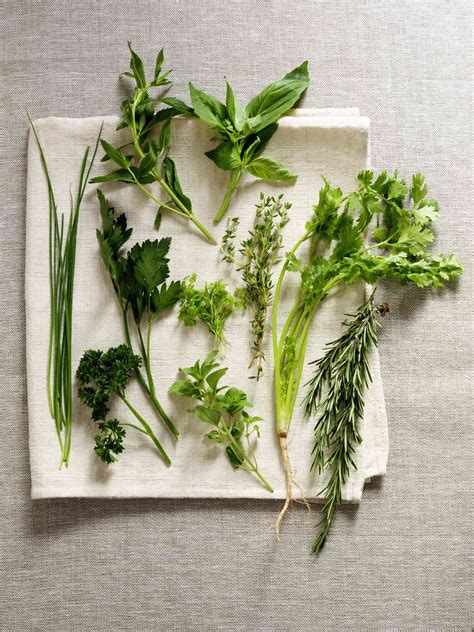
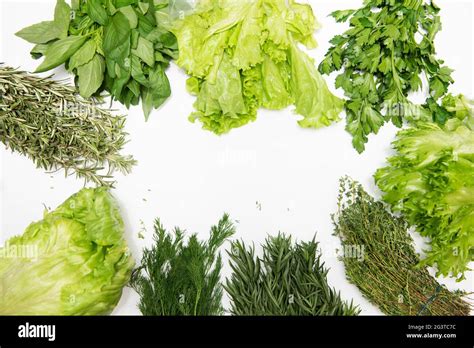
Herbs like parsley, cilantro, mint, dill, and basil have soft stems and delicate leaves. They thrive with moisture, but not too much, and can be sensitive to cold. The “bouquet method” often works best for these.
- Parsley, Cilantro, Mint, Dill: Trim the bottoms of the stems and place them in a glass or jar with about an inch of water, much like a bouquet of flowers. Cover loosely with a plastic bag (a produce bag works well) and refrigerate. Change the water every day or two. This can keep them fresh for up to two weeks.
- Basil: Basil is a bit finicky. It dislikes cold temperatures and can blacken in the fridge. For short-term storage (a few days), treat it like a bouquet on the countertop, out of direct sunlight. For longer storage, you can try the water method in the fridge, but monitor closely for blackening. Some success is found by blanching and freezing basil leaves in olive oil.
Hardy Herbs: The Robust Ones
Rosemary, thyme, oregano, chives, sage, and tarragon have woodier stems and tougher leaves. They don’t mind the cold as much and prefer a slightly drier storage environment.
- Paper Towel Method: Gently wash and dry the herbs thoroughly. Lay them in a single layer on a slightly damp paper towel, then roll them up. Place the rolled bundle in a resealable plastic bag or an airtight container and refrigerate. This method can keep them fresh for 2-3 weeks.
- Freezing: For longer-term storage, many hardy herbs can be frozen. Chop them finely, place them in an ice cube tray, cover with a little olive oil or water, and freeze. Once solid, transfer the cubes to a freezer-safe bag. This is excellent for cooking as you can pop a cube directly into your dish.

Tips for Optimal Herb Longevity
Beyond the specific storage methods, a few general principles can help all your herbs last longer.
- Handle Gently: Bruised leaves wilt faster. Handle herbs with care during transport and preparation.
- Wash Just Before Use (or Dry Thoroughly): Excess moisture can lead to rot, but dirt can harbor bacteria. If washing for storage, ensure they are thoroughly dry before refrigerating. A salad spinner is excellent for this.
- Inspect and Remove Damaged Leaves: Any yellowing or wilting leaves should be removed before storage, as they can accelerate spoilage of the healthy parts.
Reviving Slightly Wilted Herbs
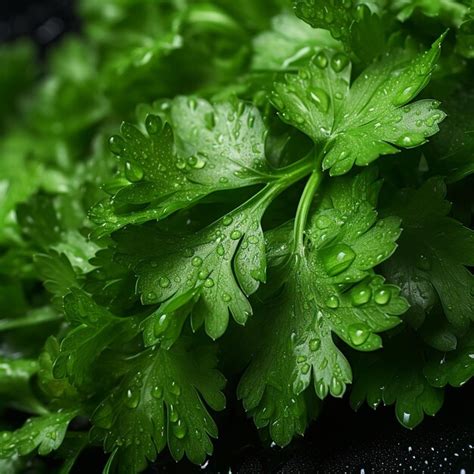
Sometimes, despite your best efforts, herbs might start to look a little sad. A quick trick to revive them is to give them an ice bath. Submerge the wilted herbs in a bowl of ice water for 15-30 minutes. The cold water can help them rehydrate and crisp up, making them usable again for garnishes or cooking.

Beyond Fresh: Drying and Preserving
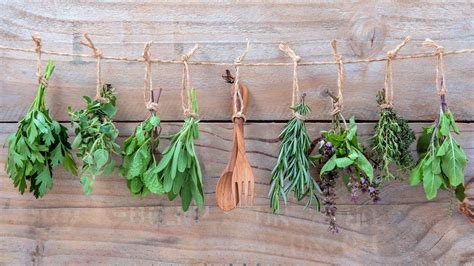
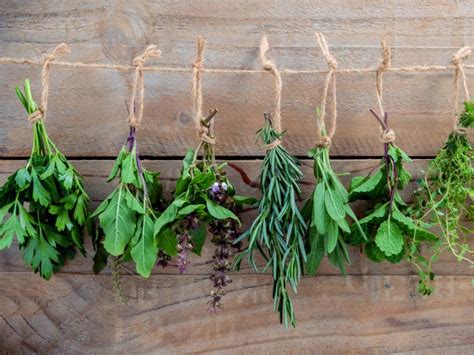
If you have an abundance of herbs, especially hardy varieties, consider drying them. Bundles of herbs can be hung upside down in a cool, dry, well-ventilated area until brittle. Once dry, strip the leaves and store them in airtight containers away from light and heat. While dried herbs lose some of their fresh vibrancy, they still offer concentrated flavor for cooking.
By understanding the unique needs of different herb types and applying these simple storage and preservation techniques, you can significantly extend the life of your fresh herbs. Say goodbye to wasted greens and hello to a kitchen consistently stocked with beautiful, flavorful garnishes, ready to elevate every meal.