How to keep fresh herbs vibrant for foodie recipes longer?

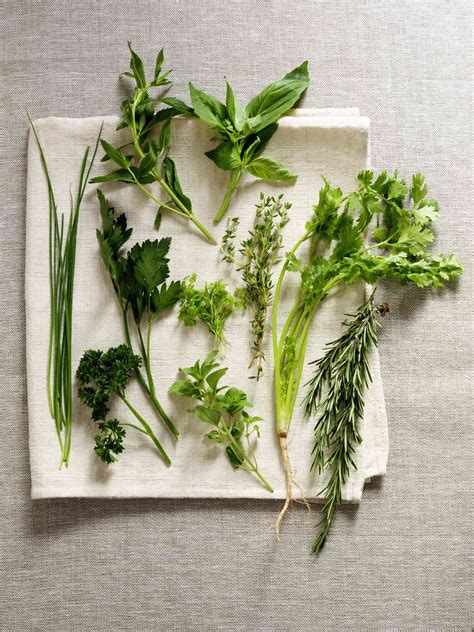
For any true foodie, fresh herbs are non-negotiable. They elevate a dish from good to extraordinary, adding bright flavors, aromatic depth, and a touch of professional flair. However, the joy of bringing home a beautiful bunch of basil or a fragrant sprig of rosemary often quickly fades as they wilt and turn brown within days. The good news is that with a few simple yet effective techniques, you can keep your fresh herbs vibrant and potent for much longer, minimizing waste and maximizing flavor in all your culinary creations.
Understanding the Enemy: Why Herbs Wilt
Herbs, much like delicate flowers, start to deteriorate the moment they are picked. Their primary foes are dehydration, excessive moisture leading to rot, and improper temperature storage. Soft herbs like basil, cilantro, and parsley are particularly susceptible due to their delicate leaves and high water content. Hardier herbs like rosemary, thyme, and oregano can withstand a bit more, but still benefit greatly from proper care.
Many home cooks make the mistake of simply tossing herbs into the refrigerator in their original packaging, which often traps ethylene gas or provides insufficient moisture, leading to rapid decay. Understanding the specific needs of different herb types is the first step towards successful preservation.
General Principles for Herb Longevity
Before diving into specific methods, remember these universal rules: Firstly, avoid washing herbs until just before you’re ready to use them. Excess moisture encourages mold and bacterial growth. Secondly, good air circulation is key, but so is maintaining a stable, appropriate moisture level. It’s a delicate balance. Finally, storage temperature plays a crucial role – most herbs prefer cool, but not freezing, temperatures, with some notable exceptions.

Method 1: The Water Bath Technique (for Soft Herbs)
This method is ideal for delicate, leafy herbs such as parsley, cilantro, basil, mint, dill, and tarragon. It mimics how flowers are kept fresh in a vase.
- Trim the Stems: Just like flowers, snip about an inch off the bottom of the stems.
- Place in Water: Stand the herbs upright in a glass or jar with about an inch of fresh, cool water at the bottom.
- Cover and Refrigerate: For most soft herbs (except basil), loosely cover the top with a plastic bag to create a mini-greenhouse effect and prevent dehydration. Place the jar in the refrigerator.
- Basil’s Exception: Basil is sensitive to cold and can turn black. Instead of the fridge, leave basil on the countertop, away from direct sunlight, changing the water daily.
- Change Water Daily: Refresh the water in the jar every day or two to prevent bacterial growth.

Method 2: The Damp Paper Towel Roll (for Hardier Herbs)
This technique works wonders for more robust, woody-stemmed herbs like rosemary, thyme, oregano, chives, and sage.
- Lightly Dampen Paper Towels: Get a few sheets of paper towel slightly damp – not soaking wet.
- Wrap the Herbs: Lay your herbs flat on the damp paper towel. Roll them up gently but securely.
- Store in an Airtight Container: Place the wrapped herbs into a zip-top bag or an airtight container. This prevents moisture loss and protects them from strong odors in the fridge.
- Refrigerate: Store the container in the crisper drawer of your refrigerator.
- Check Periodically: Inspect the herbs every few days. If the paper towel dries out, lightly re-dampen it. If it becomes too wet, replace it.

Advanced Preservation: Freezing and Drying
When you have an abundance of herbs or want to store them for several months, freezing and drying are excellent options.
- Freezing in Oil or Water: Chop hardier herbs (rosemary, thyme, sage, oregano) and place them in ice cube trays. Cover with olive oil or water and freeze. Once frozen, pop the cubes out and store them in a freezer bag. These are perfect for adding directly to soups, stews, or roasting vegetables.
- Freezing Soft Herbs: For soft herbs like parsley and cilantro, blanching briefly before freezing can help retain color and flavor, or simply chop finely and freeze in small freezer bags, pressing out all air.
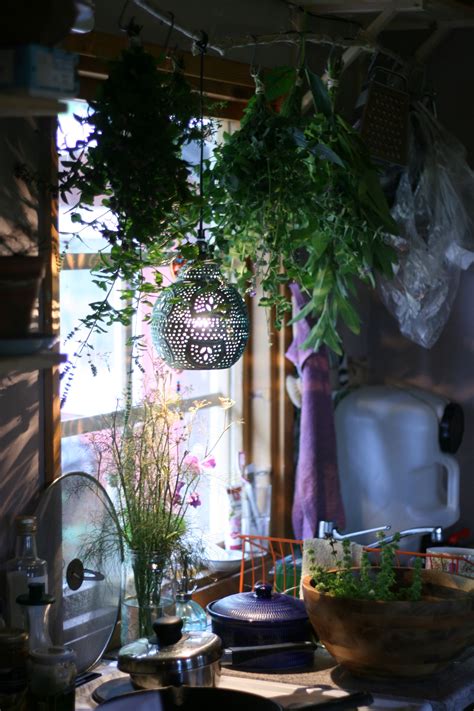
- Drying: Air drying is simple for herbs like rosemary, thyme, and oregano. Tie small bunches together and hang them upside down in a warm, dry, well-ventilated area away from direct sunlight. Alternatively, a food dehydrator or even a very low oven can be used for faster drying.
Herb-Specific Tips and Troubleshooting
- Basil: As mentioned, basil hates the cold. Keep it on the counter in water. If it starts to look sad, try giving it a refresh by trimming the stems and changing the water.
- Chives: These do best in the damp paper towel method or can be snipped and frozen directly in a freezer bag without blanching.
- Mint: Similar to basil, mint can do well on the counter in water, though it’s more forgiving in the fridge if wrapped in damp paper towels.
- Troubleshooting: If your herbs still seem to wilt quickly, ensure your refrigerator is at the correct temperature (below 40°F/4°C) and that there isn’t excessive moisture or dryness in your storage containers.

Conclusion: Embrace the Freshness
Mastering the art of herb preservation is a game-changer for any foodie. By implementing these simple techniques, you’ll not only reduce food waste but also ensure a constant supply of vibrant, flavorful herbs ready to elevate your culinary creations. Experiment with different methods to find what works best for each herb and for your own kitchen routine. Happy cooking, and may your herbs always be brilliantly fresh!