How to keep fresh herbs vibrant for garnish & peak flavor?

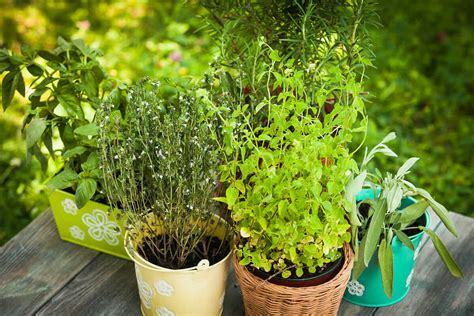
Fresh herbs are the soul of many culinary creations, offering a burst of flavor, vibrant color, and intoxicating aroma that elevates a simple meal into a gourmet experience. However, their delicate nature means they often wilt or lose their potency quickly, leaving you with limp leaves and diminished taste. This guide will equip you with professional tips and tricks to keep your fresh herbs lively and luscious, ready to infuse your dishes with maximum impact, whether for a delicate garnish or an explosion of flavor.
Understanding Your Herbs: Tailoring Storage
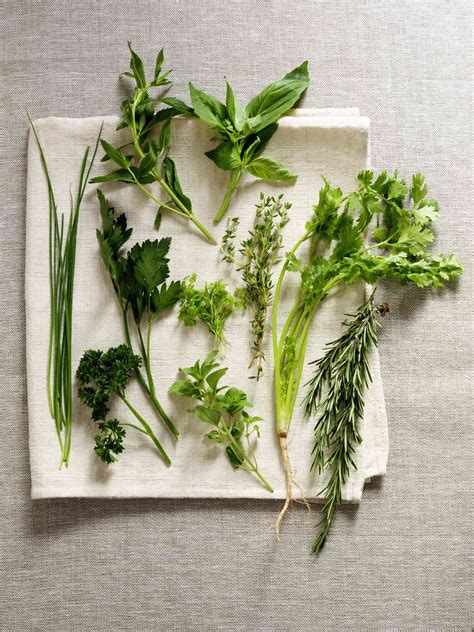
Not all herbs are created equal, and their ideal storage methods vary based on their texture and water content. Broadly, herbs can be categorized into “tender” and “woody” varieties, each requiring a slightly different approach to maximize freshness.
- Tender Herbs: These include basil, cilantro, parsley, mint, and dill. They have soft stems and delicate leaves and are often sensitive to cold and excess moisture.
- Woody Herbs: Rosemary, thyme, oregano, and sage fall into this category. They have tougher stems and leaves, are more resilient, and generally prefer drier conditions.

The Water Bath Method: Best for Tender Herbs
This classic technique mimics how flowers are kept fresh in a vase and works wonders for most tender herbs, especially parsley, cilantro, and mint. Basil is a special case; while it’s tender, it dislikes cold temperatures, so keep it out of the fridge.
- Trim Stems: Snip off the very ends of the herb stems, just like you would with cut flowers. Remove any leaves that would fall below the waterline to prevent rotting.
- Hydrate: Place the trimmed herbs stem-down in a glass or jar with about an inch of water.
- Cover & Store: Loosely cover the herbs with a plastic bag (a produce bag works well), creating a humid environment. For parsley, cilantro, and mint, refrigerate. For basil, leave it on the counter away from direct sunlight.
- Change Water: Change the water every 1-2 days, or as soon as it appears cloudy, to prevent bacterial growth.
Using this method, tender herbs can stay fresh for 1-2 weeks.
The Damp Paper Towel Method: Ideal for Woody & Some Tender Herbs
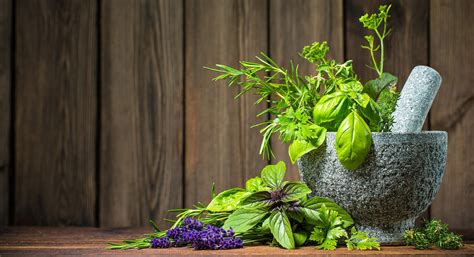
This method is excellent for woody herbs like rosemary, thyme, and oregano, which prefer a slightly less humid environment than the water bath. It also works well for chives or dill, and even tender herbs if you lack space for the water bath.
- Wash & Dry: Gently wash your herbs and then dry them thoroughly. Excess moisture is the enemy here, leading to rot. A salad spinner or patting dry with paper towels works best.
- Wrap: Lay the herbs flat on a slightly damp paper towel. Not soaking wet, just damp.
- Roll & Bag: Roll the herbs up in the paper towel and place the entire bundle into a resealable plastic bag or an airtight container.
- Refrigerate: Store the sealed bag or container in the crisper drawer of your refrigerator.
Check the paper towel every few days; if it dries out, re-dampen it. This method can keep herbs fresh for up to 2-3 weeks.
The Freezer Method: Long-Term Preservation
When you have an abundance of herbs or want to preserve their flavor for months, freezing is an excellent option. While they won’t retain their crisp texture for garnish, their flavor will be perfectly intact for cooking.
- Herb Cubes: Chop herbs finely (e.g., parsley, cilantro, dill, chives). Pack them into ice cube trays. Cover with a neutral oil (like olive oil or grapeseed oil) or water. Freeze until solid. Once frozen, pop the cubes out and transfer them to a freezer-safe bag for storage.
- Pesto & Sauces: Blend herbs like basil, parsley, or mint into pesto, chimichurri, or other herb-based sauces. Freeze these in small portions (e.g., ice cube trays) or larger containers.
- Whole Leaves (Woody Herbs): Woody herbs like rosemary and thyme can be frozen directly on the stem on a baking sheet, then transferred to a freezer bag once solid. They’ll be brittle but retain flavor.
Frozen herbs can last for 6 months to a year, ready to be dropped directly into soups, stews, sauces, or roasts.

Harvesting & Handling for Longevity
Even before storage, how you handle your herbs can significantly impact their lifespan:
- Gentle Washing: Wash herbs gently under cool, running water immediately before storage or use. Avoid aggressive scrubbing.
- Thorough Drying: This is critical for preventing rot. Use a salad spinner or gently pat them dry with paper towels.
- Harvest Smart (if from garden): If you’re growing your own, harvest in the morning after the dew has dried but before the sun is intense. Use sharp scissors or shears to make clean cuts, which helps the plant recover faster.
- Inspect Before Storage: Remove any yellowed, bruised, or damaged leaves before storing, as they can accelerate spoilage of the entire bunch.
By implementing these thoughtful storage and handling techniques, you can significantly extend the life of your fresh herbs. No more sad, wilting greens destined for the compost! Instead, enjoy vibrant, flavorful herbs ready to elevate your cooking and add that professional touch to every dish.