How to keep fresh herbs vibrant for photo-ready foodie recipes?
Elevate Your Culinary Creations with Pristine Herbs
In the vibrant world of food photography and gourmet cooking, the visual appeal of ingredients is just as crucial as their taste. A sad, wilted bunch of herbs can instantly detract from an otherwise magnificent dish, making it look less appetizing and less professional. Fresh herbs, with their bright greens and lively textures, are not merely garnishes; they are flavor powerhouses that can transform a meal from good to extraordinary. This guide will walk you through proven techniques to keep your culinary herbs looking their absolute best, ensuring they are always photo-ready for your next culinary masterpiece.

Understanding Your Herbs: Delicate vs. Robust
Not all herbs are created equal, and their preservation methods differ significantly based on their natural resilience. Understanding these differences is the first step to effective, long-lasting storage:
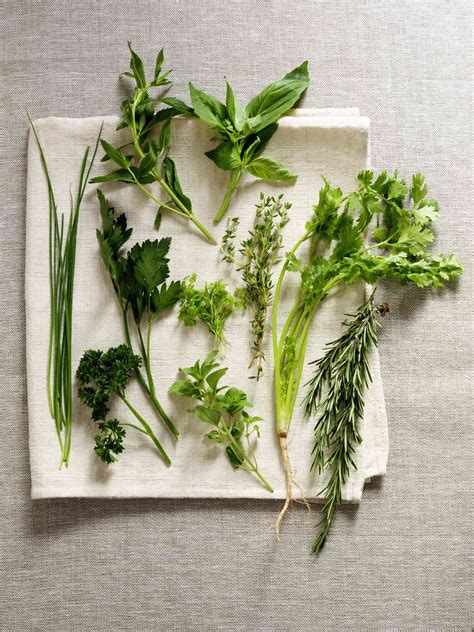
- Delicate Herbs: These include soft-stemmed varieties like cilantro, parsley, basil, mint, and dill. They thrive in moisture and wilt quickly when deprived of it, often turning dark or yellow.
- Robust Herbs: Think woody-stemmed varieties such as rosemary, thyme, oregano, and sage. These herbs prefer a drier environment and are more prone to mold or rot if kept too moist.
Storage Secrets for Delicate Herbs
For your delicate herbs, moisture is key to maintaining their crispness and vibrant color:
The Water Glass Method (Best for Most Delicate Herbs)
Treat these herbs like a fresh bouquet of flowers. Trim about an inch off the bottom of the stems and remove any leaves that would fall below the water line to prevent spoilage. Place the herbs upright in a glass jar or vase with about an inch of fresh water at the bottom. Cover the entire arrangement loosely with a plastic bag (a repurposed produce bag works perfectly) to create a humid microclimate. Store on your kitchen counter (for basil, as refrigeration can cause it to blacken) or in the refrigerator (for cilantro, parsley, mint, and dill). Change the water every day or two. This method can keep herbs fresh for up to two weeks, sometimes even longer.

The Damp Paper Towel Method (Great for Short-Term & Basil Refrigeration)
For basil, which doesn’t always love cold, or for other delicate herbs you plan to use within a few days: gently wash the herbs and pat them completely dry with paper towels or a clean kitchen towel. Wrap them loosely in a slightly damp paper towel, then place this bundle inside a resealable plastic bag or an airtight container. Store basil at room temperature if using quickly, or in the warmest part of your refrigerator if you must refrigerate. Other delicate herbs can go directly into the fridge. Ensure the paper towel remains only slightly damp – too much moisture can lead to rot and slime.
Mastering Robust Herb Preservation
Robust herbs are less finicky but still require proper care to maintain their integrity and potent flavor:
The Dry & Airtight Method
For rosemary, thyme, oregano, and sage, the goal is to keep them dry and protected. It’s best not to wash these herbs until you are ready to use them. If they happen to be wet, pat them completely dry before storage. Wrap the unwashed herbs loosely in a dry paper towel, then place them in a resealable plastic bag or an airtight container. Store them in the crisper drawer of your refrigerator. This method prevents excess moisture buildup, which can cause them to spoil quickly. They can remain fresh for two to three weeks, sometimes even longer, maintaining their firm texture and aroma.

Pre-Photo Prep: Making Them Shine
Even with perfect storage, a little extra care just before their grand debut in front of the camera can make all the difference:
- Gentle Wash & Dry: Just before use, give your herbs a quick, gentle rinse under cool water. Immediately pat them completely dry with a soft cloth or paper towel. Excess water can make them look dull or create unwanted reflections in photos. A salad spinner can also be incredibly effective here.
- Revive & Refresh: If herbs look slightly wilted despite your best efforts, a quick dip in ice water for 5-10 minutes can often perk them right up, restoring their crisp texture and vibrant color. This technique works wonders for most leafy greens too.
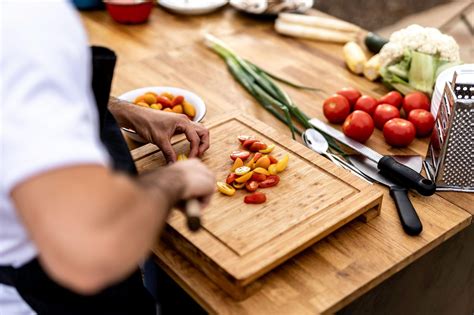
- Handle with Care: Avoid bruising leaves, which can lead to dark spots and a less appealing appearance. Use sharp kitchen shears or a very sharp knife for clean, precise cuts.

General Tips for Long-Lasting Luster
- Don’t Wash Until Ready: As a general rule, washing herbs before storage can introduce excess moisture that promotes rot. Only wash right before using them.
- Regular Checks: Periodically check your stored herbs and remove any leaves that show signs of spoilage, discoloration, or mold to prevent it from spreading to healthy parts.
- Consider Growing Your Own: For the ultimate freshness and continuous supply, a small herb garden (whether indoors on a windowsill or outdoors) provides immediate access to vibrant, photo-ready herbs just steps away from your kitchen.

By implementing these simple yet effective storage and preparation techniques, you’ll ensure your fresh herbs remain as vibrant and captivating as the dishes they adorn. Say goodbye to sad, wilted greenery and hello to Instagram-worthy culinary creations that taste as good as they look!