How to keep fresh herbs vibrant for visually appealing garnishes?

The Importance of Vibrant Herbs in Culinary Presentation
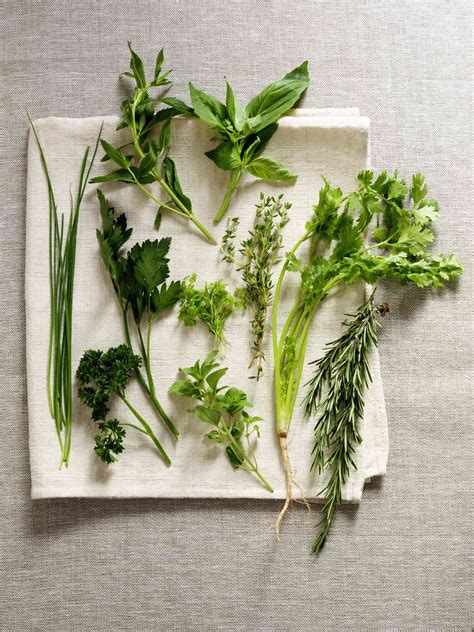
Fresh herbs are more than just flavor enhancers; they are a critical component of food presentation, adding bursts of color, texture, and an aromatic appeal that elevates any dish. A vibrant, perky garnish can transform a simple meal into a gourmet experience, making it visually irresistible. Conversely, limp, discolored herbs can detract from an otherwise perfectly prepared plate. Learning how to properly store and care for your herbs is essential for ensuring they remain beautiful and ready for that perfect finishing touch.
Initial Steps: Proper Harvesting and Handling
The journey to long-lasting vibrancy begins even before storage. If you’re harvesting herbs from your garden, do so in the morning after the dew has dried but before the sun is at its strongest. This is when their moisture content is highest. Handle them gently to avoid bruising, which can accelerate wilting. Avoid washing herbs immediately after harvesting or purchasing; excess moisture can lead to spoilage. Instead, clean them just before use.

Method 1: The Water Bath for Woody Stems
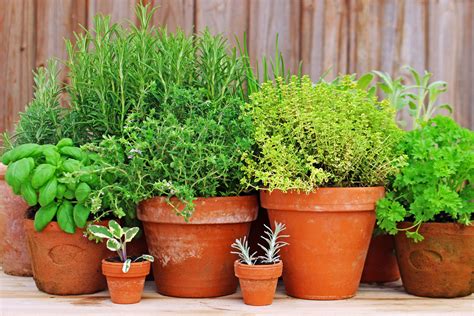
Similar to cut flowers, many herbs with sturdy, woody stems benefit greatly from being kept in water. This method works exceptionally well for parsley, cilantro, basil, mint, and tarragon.
- Preparation: Trim about an inch off the bottom of the stems. Remove any leaves that would fall below the waterline to prevent rotting.
- Placement: Place the herb bundle upright in a glass or jar filled with an inch or two of fresh water.
- Storage: For basil, which is sensitive to cold, cover loosely with a plastic bag and keep on the counter away from direct sunlight. For parsley, cilantro, mint, and tarragon, cover loosely with a plastic bag and refrigerate. Change the water every day or two.
Method 2: The Damp Paper Towel for Delicate Leaves
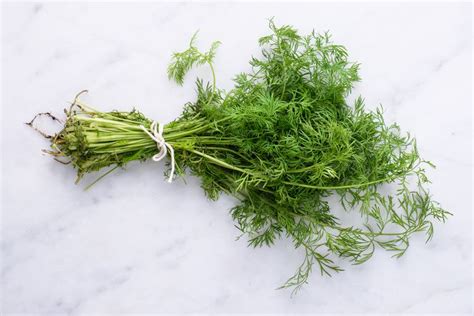
More delicate herbs, such as dill, chives, and even sometimes cilantro, do best when wrapped in a damp paper towel.
- Preparation: Gently moisten a few paper towels (don’t soak them).
- Wrapping: Lay the herbs flat on the damp paper towel and roll them up loosely.
- Storage: Place the wrapped herbs inside a resealable plastic bag or an airtight container. Store them in the crisper drawer of your refrigerator. The damp towel provides just enough humidity to keep them from drying out without making them soggy.
Method 3: Airtight Containers for Mixed Herbs
For a variety of herbs or those that don’t fit easily into the other categories, an airtight container can be your best friend. This method works well for rosemary, thyme, and oregano.
- Preparation: Ensure herbs are completely dry. If there’s any moisture, gently pat them dry with a clean cloth or paper towel.
- Storage: Place the herbs in an airtight container or a resealable bag, pressing out as much air as possible. You can place a dry paper towel at the bottom to absorb any excess moisture. Refrigerate.
Reviving Limp Herbs: A Quick Fix
If your herbs have started to wilt, don’t despair! Many can be revived with a simple ice water bath. Trim the ends of the stems and plunge the herbs into a bowl of ice water for 15-30 minutes. The cold water helps them rehydrate and perk back up, making them suitable for garnishing once more.
Final Tips for Garnishing Success
- Trim Just Before Use: Always snip or chop your herbs right before you’re ready to garnish to maximize their fresh appearance.
- Sharp Knife: Use a very sharp knife to make clean cuts, preventing bruising and keeping the edges crisp.
- Don’t Overcrowd: When garnishing, remember that less is often more. A few perfectly placed, vibrant sprigs or a sprinkle of finely chopped herbs will have a greater impact than a mountain of haphazardly placed ones.
By implementing these storage and care techniques, you’ll ensure that your fresh herbs remain consistently vibrant and ready to add that professional, visually appealing flourish to all your culinary creations.