How to keep fresh herbs vibrant for visually stunning dishes?

The Secret to Stunning Culinary Creations
Fresh herbs are the soul of many dishes, adding layers of aroma, flavor, and a burst of color that can transform an ordinary meal into an extraordinary culinary experience. However, their delicate nature means they can quickly wilt and lose their vibrancy if not properly cared for. Mastering the art of herb preservation is not just about extending shelf life; it’s about ensuring your ingredients remain visually appealing, contributing to that ‘wow’ factor on the plate.
Understanding Herb Types for Optimal Storage
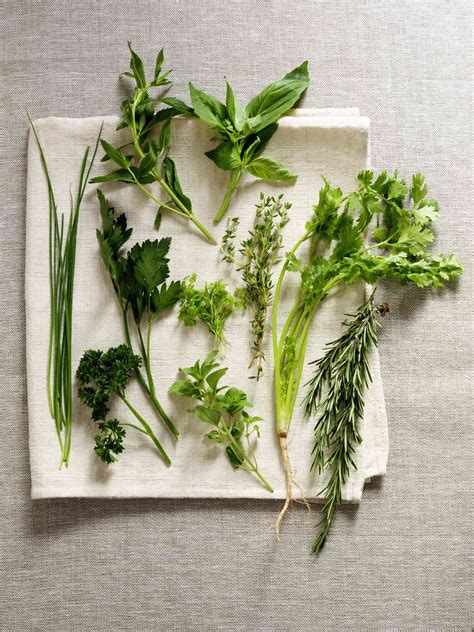
Not all herbs are created equal, and their storage needs vary significantly. Generally, herbs can be divided into two main categories: soft, leafy herbs and hardy, woody-stemmed herbs. Recognizing these differences is the first step towards perfect preservation.
Soft, Leafy Herbs: The Water Lovers
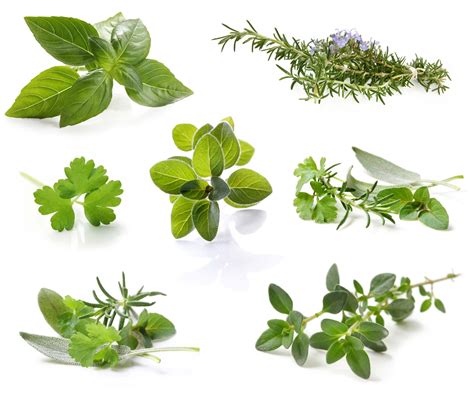
This category includes basil, cilantro, parsley, mint, dill, and tarragon. These herbs thrive in moisture and are prone to wilting rapidly if left dry. To keep them fresh and vibrant:
- Trim the Stems: Just like fresh flowers, snip about half an inch off the bottom of the stems.
- Water Bath: Place the trimmed stems upright in a glass or jar filled with an inch or two of fresh water.
- Cover and Refrigerate (Mostly): For most soft herbs (cilantro, parsley, mint, dill), loosely cover the entire bundle with a plastic bag (a produce bag works well) and refrigerate.
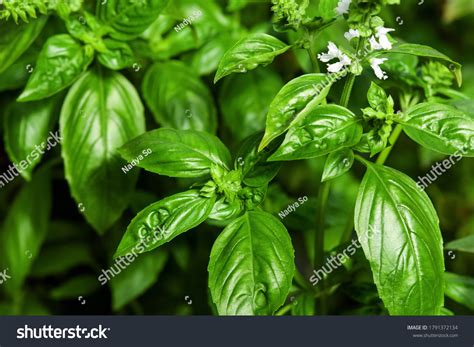
- Basil Exception: Basil prefers room temperature. Keep it on the countertop, away from direct sunlight, and change the water daily. Refrigerating basil can cause it to blacken.
- Change Water: Replace the water every day or two to prevent bacterial growth.
Hardy, Woody-Stemmed Herbs: The Dry Enthusiasts
Rosemary, thyme, oregano, sage, and chives fall into this group. These herbs are more robust and prefer a drier environment than their leafy counterparts. Excessive moisture can lead to mold and rot.
- Damp Paper Towel Method: Gently rinse the herbs and pat them almost dry with a clean cloth or paper towel.
- Wrap Tightly: Wrap the herbs loosely in a slightly damp paper towel.
- Airtight Container: Place the wrapped bundle inside a resealable plastic bag or an airtight container.
- Refrigerate: Store in the crisper drawer of your refrigerator. This method helps maintain a consistent moisture level without over-wetting.
The Importance of Proper Handling
Beyond storage, how you handle your herbs before and during use also impacts their vibrancy and flavor.
- Gentle Washing: Wash herbs just before using them. If you must wash beforehand, ensure they are thoroughly dried before storage to prevent spoilage (especially for hardy herbs). A salad spinner is excellent for this.
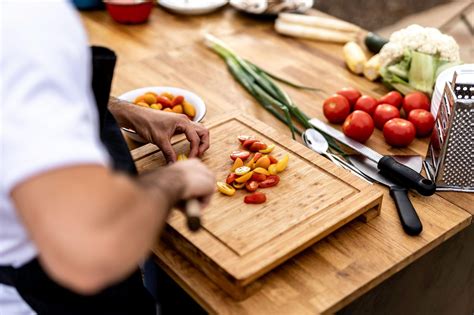
- Sharp Knives: Use a sharp knife to chop or mince herbs. Dull knives can bruise the delicate leaves, causing them to blacken quickly and lose essential oils.
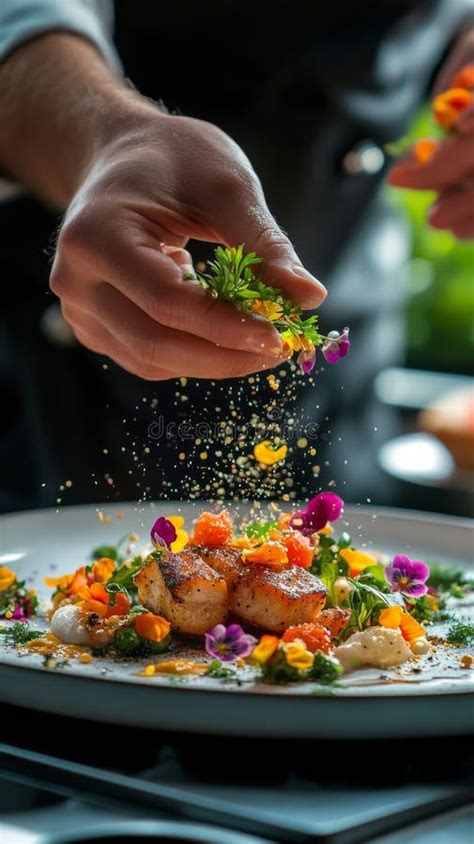
- Garnish at the Last Minute: For maximum visual impact, add fresh herb garnishes right before serving. The heat from a dish can cause delicate herbs to wilt and darken.
Reviving Wilting Herbs (A Quick Fix)
If you find your herbs looking a little tired but not yet spoiled, a quick ice bath can often bring them back to life. Submerge the herbs (especially soft ones) in a bowl of ice water for about 15-30 minutes. The cold water helps them rehydrate and crisp up, restoring some of their vitality.
Conclusion
Keeping fresh herbs vibrant for visually stunning dishes is a simple yet impactful skill that elevates your cooking from good to gourmet. By understanding the specific needs of different herb types and implementing these straightforward storage and handling techniques, you’ll ensure your culinary creations are always bursting with both flavor and captivating color. A little effort in preservation goes a long way in presenting dishes that are as beautiful to behold as they are delicious to taste.