How to keep fresh herbs vibrant for visually stunning plating?

The Art of Preserving Green Gold for Your Plate
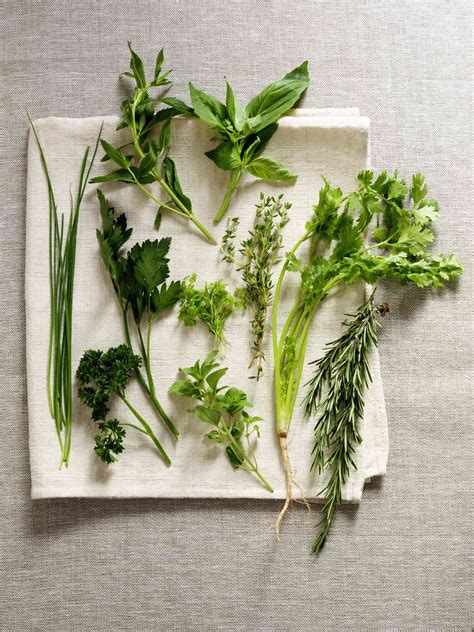
Fresh herbs are more than just flavor enhancers; they are the vibrant jewels that elevate a dish from merely tasty to truly stunning. A sprinkle of bright green parsley, a few delicate basil leaves, or a fragrant sprig of rosemary can transform the visual appeal of any meal. However, keeping these delicate beauties looking their best – crisp, colorful, and full of life – can often feel like a challenge. Wilting, browning, or dull herbs can detract from an otherwise perfect presentation. This guide will walk you through simple yet effective techniques to ensure your fresh herbs remain vibrant, ready to make a visual statement on every plate.

General Principles for Herb Longevity
The key to long-lasting vibrancy lies in understanding a few fundamental principles: hydration, protection from excessive moisture, and proper temperature control. Most herbs thrive in cool, slightly humid environments, mimicking their natural growth conditions. Avoid extreme cold, which can cause freezer burn, and excessive warmth, which accelerates spoilage. Gentle handling is also crucial; bruising can lead to premature browning.
Storage Methods for Different Herb Types
Soft Herbs: The Water Bath Method
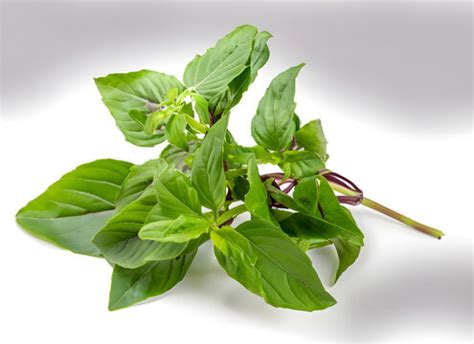
Soft-stemmed herbs like basil, cilantro, parsley, mint, and tarragon are highly susceptible to wilting. Their delicate leaves lose moisture quickly. The best way to store them is much like a bouquet of flowers:
- Trim the very ends of the stems.
- Remove any yellowed or damaged leaves.
- Place the herb stems into a glass or jar filled with an inch or two of water.
- For most soft herbs (except basil), cover the leaves loosely with a plastic bag.
- Refrigerate. Basil, however, prefers room temperature, as refrigeration can cause its leaves to blacken.
Change the water every day or two, and your herbs can stay fresh and vibrant for up to a week, sometimes even longer.
Hardy Herbs: The Damp Towel Technique
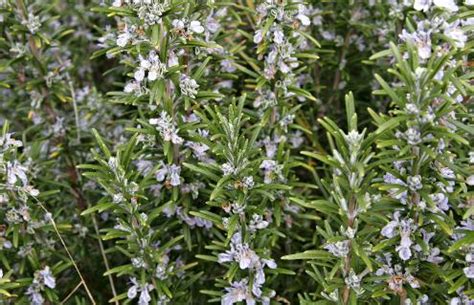
Heartier herbs such as rosemary, thyme, sage, and oregano have tougher stems and leaves. They don’t require quite as much direct hydration but still benefit from a slightly moist environment.
- Gently wash and thoroughly dry the herbs. This step is critical to prevent mold.
- Wrap the herbs loosely in a slightly damp paper towel.
- Place the wrapped herbs into a plastic bag or an airtight container.
- Refrigerate.
This method helps maintain a humid microclimate around the herbs, preventing them from drying out while also protecting them from excess moisture, keeping them fresh for two to three weeks.
Long-Term Storage: Freezing Herbs
While freezing changes the texture of most herbs, making them less ideal for garnish, it’s an excellent method for preserving flavor for cooking.
- Chopped Herbs in Oil: Finely chop herbs, place them in ice cube trays, cover with olive oil, and freeze. Once solid, transfer the cubes to a freezer-safe bag.
- Blanched Herbs: For herbs like parsley or cilantro, a quick blanch followed by an ice bath can help preserve color and then freeze as usual.
These frozen portions are perfect for adding flavor to soups, stews, sauces, or roasts, even if they won’t offer the same visual appeal as fresh for plating.
Reviving Wilting Herbs: An Emergency Fix
If your herbs have started to look a little sad and limp, don’t despair! A quick ice bath can often bring them back to life.
- Fill a bowl with ice water.
- Submerge the entire herb (leaves and stems) into the ice water for about 15-30 minutes.
- The cold water will rehydrate the cells, often making them crisp and vibrant again.
- Gently pat them dry before using.
This trick works wonders for many soft herbs, giving them a second chance to shine on your plate.
Preparation for Plating: The Final Touches
Even perfectly stored herbs need a little care before they grace your plate.
- Wash Gently: Rinse under cool water to remove any dirt or debris.
- Dry Thoroughly: Excess moisture is the enemy of a fresh-looking garnish. Use a salad spinner or gently pat dry with paper towels.
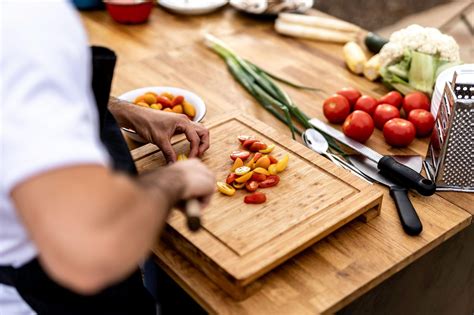
- Chop Last-Minute: For chopped herbs, do so just before serving to maintain their vibrant color and prevent oxidation. Use a very sharp knife to avoid bruising.
- Strategically Place: Add herbs as a final garnish, just before serving, to prevent them from wilting or cooking down in the heat of the dish.

Conclusion
Keeping fresh herbs vibrant for visually stunning plating is an achievable goal with a little knowledge and care. By employing the right storage methods for different herb types, understanding how to revive them, and taking a few extra steps during preparation, you can ensure your culinary creations always look as good as they taste. Embrace the power of fresh, vibrant herbs to add that crucial touch of elegance and freshness to every meal.