How to keep fresh herbs vibrant for weeks?

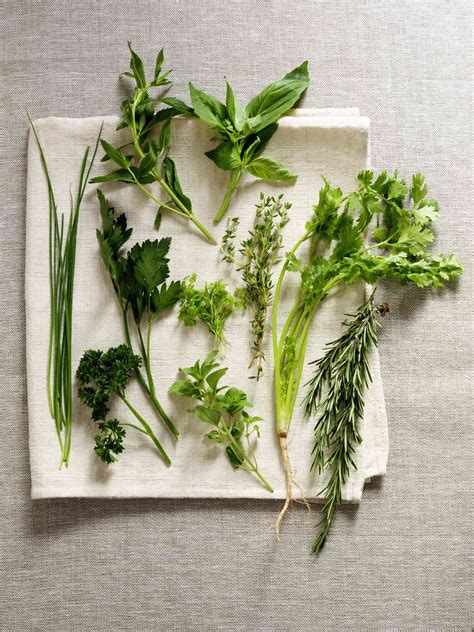
Fresh herbs are the secret weapon in any kitchen, elevating dishes with their vibrant flavors and aromas. Yet, their delicate nature often means they wilt and lose their potency within days of purchase. Don’t let your beautiful bunches go to waste! With a few simple techniques, you can keep your fresh herbs lively and flavorful for weeks, ready to infuse your meals with culinary magic.
The Water Bath Method: Ideal for Tender Herbs
This classic method is perfect for leafy, tender herbs like parsley, cilantro, dill, and even mint. It mimics how flowers are kept fresh in a vase.
- Trim the Stems: Just like flowers, snip about an inch off the bottom of the stems. This reopens the capillaries, allowing them to absorb water more efficiently.
- Place in Water: Fill a glass jar or a small vase with about an inch of fresh water. Submerge the trimmed stems into the water.
- Cover Loosely: For most tender herbs, loosely cover the top with a plastic bag (e.g., a produce bag) to create a mini-greenhouse effect and prevent dehydration.
- Refrigerate (Mostly): Place the jar in the refrigerator. Basil is an exception: it prefers room temperature, so keep it on your counter away from direct sunlight. Change the water every 1-2 days.

The Damp Paper Towel Method: Best for Sturdier Herbs
Hardier herbs with woody stems, such as rosemary, thyme, oregano, and sage, thrive with a slightly different approach. This method keeps them moist without making them soggy.
- Wash and Dry Thoroughly: Rinse your herbs under cool water. This step is crucial. Then, gently pat them absolutely dry with a clean paper towel or use a salad spinner. Excess moisture can lead to mold.
- Wrap in a Damp Paper Towel: Take a slightly damp (not wet) paper towel and carefully wrap the herbs in it. Ensure they are fully enclosed.
- Store in an Airtight Container: Place the wrapped herbs inside a resealable plastic bag or an airtight container. This prevents air exposure and locks in moisture.
- Refrigerate: Store the container in the crisper drawer of your refrigerator. Check the paper towel every few days; if it’s dry, re-dampen it.

Freezing for Long-Term Freshness
When you have an abundance of herbs or want to preserve their peak flavor for months, freezing is an excellent option. This method works well for most herbs, particularly those you’ll be cooking with.
Method 1: Oil or Water Cubes
- Chop Finely: Wash and thoroughly dry your herbs, then chop them finely.
- Fill Ice Cube Trays: Pack the chopped herbs into ice cube trays.
- Add Liquid: Pour olive oil, melted butter, or even just water over the herbs until they are fully submerged.
- Freeze: Place the trays in the freezer until solid.
- Transfer to Bags: Once frozen, pop out the herb cubes and transfer them to a freezer-safe bag. Label with the herb name and date.
Method 2: Flash Freezing (for individual leaves)
This is great for herbs like basil or sage leaves that you might want to use individually.
- Wash and Dry: Ensure leaves are perfectly dry.
- Arrange on Tray: Spread single layers of leaves on a parchment-lined baking sheet.
- Flash Freeze: Freeze until solid (about 1-2 hours).
- Store: Transfer frozen leaves to a freezer-safe bag or container.

Drying Herbs: A Traditional Preservation Method
Drying herbs concentrates their flavors and is ideal for those that you plan to use in dry rubs, seasonings, or teas. While the fresh aroma might lessen, the flavor often intensifies.
- Air Drying: Bundle small bunches of herbs (like rosemary, thyme, oregano, bay leaves) and tie them with kitchen twine. Hang them upside down in a warm, dry, well-ventilated area away from direct sunlight. They can take 1-3 weeks to dry completely.
- Dehydrator: For a quicker method, a food dehydrator works wonders. Follow your dehydrator’s instructions for temperature and time settings.
- Oven Drying: Low and slow is key. Spread herbs on a baking sheet and bake at the lowest possible temperature (around 100-150°F / 40-65°C) with the oven door slightly ajar to allow moisture to escape. Check frequently to prevent burning.
Once thoroughly dry, crumble the leaves and store them in airtight containers away from light and heat. Properly dried herbs can last for up to a year.

General Tips for Herb Longevity
- Handle Gently: Fresh herbs are delicate. Avoid crushing or bruising them during handling.
- Avoid Washing Until Ready (Mostly): Unless you’re using the damp paper towel method, it’s often best to wash herbs just before use to prevent introducing excess moisture that can lead to spoilage.
- Regular Checks: Periodically check your stored herbs for any signs of wilting, mold, or discoloration. Remove any affected sprigs immediately to prevent spread.
- Right Container, Right Spot: Ensure your chosen storage method matches the herb type and that it’s placed in the optimal part of your fridge or counter.

Conclusion
Keeping fresh herbs vibrant for weeks isn’t a kitchen myth; it’s an achievable reality with these simple preservation techniques. By understanding the needs of different herb types and applying the right storage method, you can significantly reduce food waste, save money, and always have fresh, flavorful additions at your fingertips. Experiment with these methods and enjoy the lasting freshness of your favorite herbs!