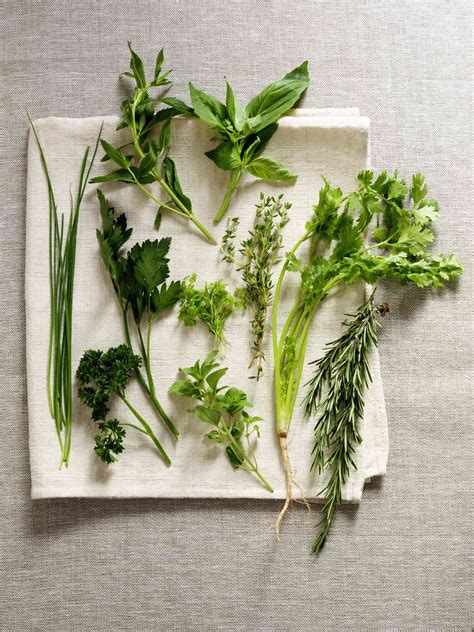
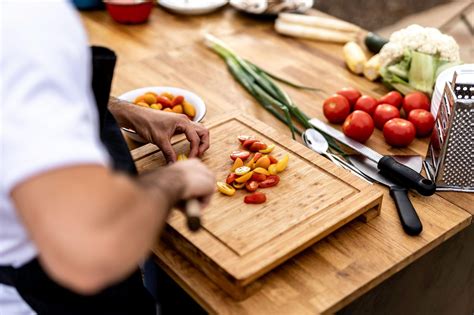
How to keep fresh herbs vibrant longer for beautiful foodie plating?

The Secret to Stunning Dishes: Vibrant Fresh Herbs
Fresh herbs are more than just a garnish; they’re the vibrant punctuation mark that can elevate a dish from good to extraordinary. Beyond their aromatic and flavor-enhancing qualities, their verdant color and crisp texture are crucial for captivating foodie plating. However, nothing sours a beautiful presentation faster than wilted, discolored herbs. Mastering the art of keeping your herbs vibrant longer is a game-changer for any aspiring home chef or food enthusiast.
![[400+] Beautiful Scenery Pictures | Wallpapers.com](/images/aHR0cHM6Ly90czEubW0uYmluZy5uZXQvdGg/aWQ9T0lQLkZ4NERUNS1WaTlsSmtZb3o3c2tUb1FIYUpiJnBpZD0xNS4x.webp)
Why Freshness Matters for Foodie Plating
Consider the visual impact: a sprinkle of bright green parsley or a sprig of upright rosemary adds immediate appeal and signals freshness. Wilted herbs, conversely, suggest an ingredient past its prime, detracting from the overall impression. For food photography and impressive dinner party dishes, the integrity of your herbs is paramount. Their perky leaves and rich color provide contrast, texture, and a finishing touch that speaks volumes about the care put into the meal.
General Principles for Herb Longevity
Before diving into specific techniques, understanding a few universal rules will set you up for success:
- Handle with Care: Herbs are delicate. Avoid bruising them, as this can accelerate wilting and spoilage.
- Don’t Wash Until Ready: Excess moisture can promote mold and rot. Wash herbs right before use, or if washing for storage, ensure they are thoroughly dried afterward.
- Control Moisture: The key is a balance—too dry and they wilt, too wet and they rot.
- Temperature is Key: Most herbs prefer cool, but not freezing, temperatures.
Soft Herbs: The Delicate Beauties (Basil, Cilantro, Parsley, Mint, Dill)
These herbs have tender stems and leaves, making them prone to wilting. They generally benefit from methods that mimic a vase of flowers.
Method 1: The Bouquet Approach
Trim the ends of the stems, much like you would cut fresh flowers. Place the herbs in a jar or glass with about an inch of water at the bottom, ensuring the stems are submerged but the leaves stay dry. Loosely cover the entire arrangement with a plastic bag (a produce bag works well) to create a humid environment, then store it in the refrigerator. Basil is an exception; it prefers room temperature as refrigeration can cause its leaves to blacken.
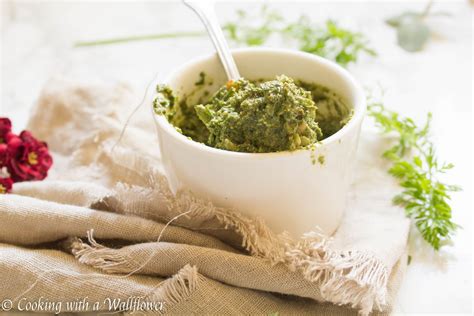
Method 2: Damp Paper Towel Wrap
If you lack space or a suitable jar, gently wrap washed (and thoroughly dried) soft herbs in a slightly damp paper towel. Place the wrapped herbs into a resealable plastic bag or an airtight container. Store in the crisper drawer of your refrigerator. This method works well for most soft herbs and can keep them fresh for a week or more.
Hardy Herbs: The Robust Survivors (Rosemary, Thyme, Oregano, Sage, Chives)
Hardy herbs have tougher stems and thicker leaves, making them a bit more forgiving. They don’t typically require the water-in-a-jar treatment.
For these, a simple damp paper towel wrap is often sufficient. Wrap the clean, dry herb sprigs in a lightly damp paper towel, then place them inside a resealable plastic bag or an airtight container. Store them in the refrigerator’s crisper drawer. This method can keep hardy herbs fresh for up to two weeks, sometimes longer.

Advanced Techniques for Prolonged Storage
Freezing Herbs for Future Use
While freezing isn’t ideal for herbs destined for vibrant plating (as it alters texture), it’s excellent for preserving flavor for cooking. Chop herbs finely and pack them into ice cube trays. Cover with a neutral oil (like olive oil) or water, then freeze. Once solid, transfer the herb cubes to an airtight freezer bag. Pop out a cube whenever you need a burst of flavor in soups, stews, or sauces.

Making Herb Compounds
Blend herbs with softened butter, olive oil, or cream cheese to create flavorful compounds. These can be stored in the refrigerator or frozen, ready to be spread on bread, tossed with pasta, or melted over grilled meats.
Quick Tips for Revival and Plating Perfection
- Reviving Wilted Herbs: For slightly wilted herbs, give them an ice bath! Submerge them in a bowl of ice water for 15-30 minutes. This can often perk them right back up, especially parsley and cilantro.
- Add Herbs Last: When plating, add fresh herbs just before serving. Excessive heat or prolonged exposure can cause them to wilt quickly.
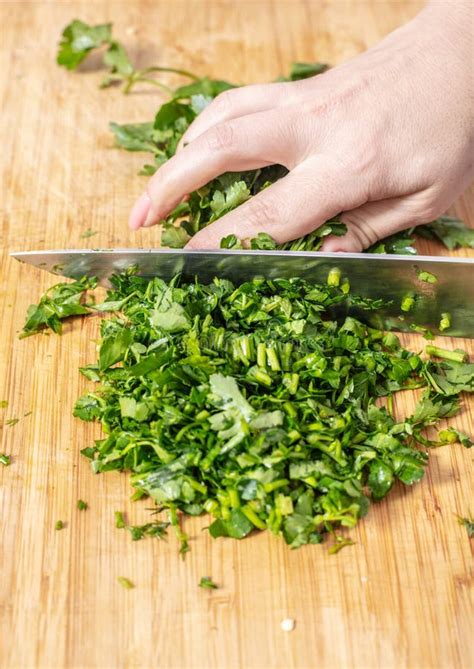
- Precision Chopping: For finely chopped herbs, ensure your knife is sharp. A dull knife will bruise the leaves, leading to discoloration.
- Consider Whole Sprigs: Sometimes, a beautiful whole sprig of rosemary or thyme laid artfully on a dish makes a more dramatic statement than chopped herbs.
Conclusion
The effort you put into storing your fresh herbs directly translates to the beauty and quality of your culinary creations. By adopting these simple yet effective techniques, you’ll ensure your basil remains brilliant, your cilantro stays crisp, and your rosemary retains its robust charm, ready to add that perfect final touch to your next foodie masterpiece. Happy cooking and even happier plating!