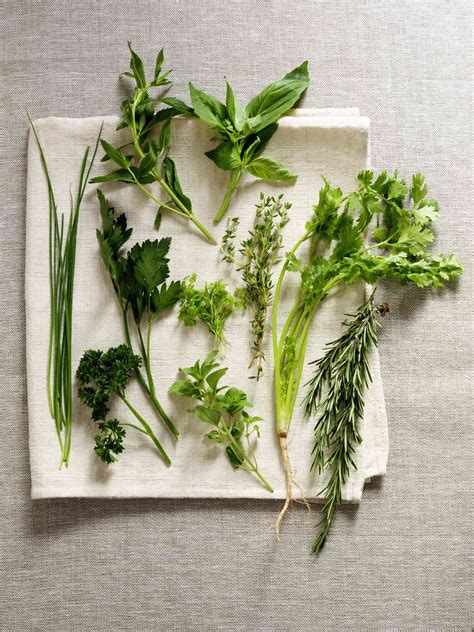
How to keep fresh herbs vibrant longer for beautiful garnishes and maximum flavor?
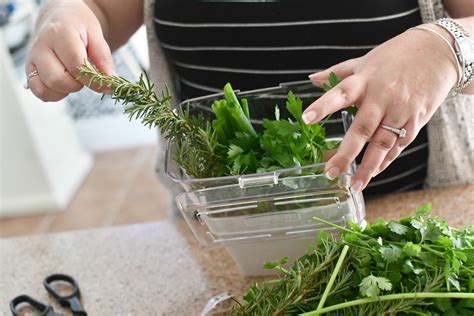
The Secret to Long-Lasting Fresh Herbs
Fresh herbs are the unsung heroes of the kitchen, elevating dishes with their vibrant flavors and aromatic qualities. However, their delicate nature often means they wilt and lose their potency within days of purchase. Don’t let your beautiful bunches of parsley, cilantro, or rosemary go to waste! With a few simple storage techniques, you can significantly extend their lifespan, ensuring they remain crisp, colorful, and bursting with flavor, ready to enhance your culinary creations and serve as stunning garnishes.
The Water Bath Method: A Bouquet for Your Herbs
This method works wonders for delicate, leafy herbs like parsley, cilantro, dill, mint, and even basil (with a slight modification). Think of it like keeping a bouquet of flowers fresh.
Steps:
- Trim the Stems: Just like flowers, snip about half an inch off the bottom of the stems. Remove any discolored or damaged leaves.
- Place in Water: Fill a small glass or jar with about an inch of water. Stand the herbs upright in the water, ensuring only the stems are submerged.
- Cover Loosely: For most delicate herbs (parsley, cilantro, dill, mint), loosely cover the top with a plastic bag or plastic wrap. This creates a mini-greenhouse effect, retaining moisture.
- Refrigerate (mostly): Place the glass in the refrigerator. Change the water every 1-2 days.
- Basil Exception: Basil prefers warmer temperatures. Store it using the water bath method, but keep it on the counter at room temperature, away from direct sunlight. Refrigeration can cause basil leaves to blacken.
This technique can keep these herbs fresh and vibrant for up to 1-2 weeks.
The Damp Paper Towel Method: Snug and Secure
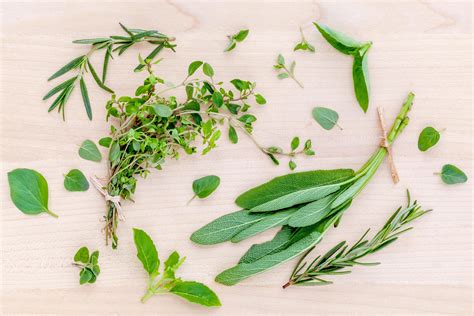
For sturdier, woody-stemmed herbs such as rosemary, thyme, oregano, and sage, the damp paper towel method is ideal. These herbs are less prone to wilting quickly and benefit from a more enclosed environment.
Steps:
- Wash and Thoroughly Dry: Gently wash the herbs under cool water. This step is crucial: ensure they are completely dry before wrapping. Excess moisture will lead to mold. A salad spinner or patting with paper towels works well.
- Wrap in Damp Paper Towels: Lightly dampen a few sheets of paper towel (they should be moist, not dripping wet). Lay the herbs flat on the paper towel and roll them up snugly.
- Store in an Airtight Container: Place the wrapped herbs inside a resealable plastic bag or an airtight container.
- Refrigerate: Store in the refrigerator. This method can keep woody herbs fresh for 2-3 weeks.
Freezing Herbs: Extending Flavor for Months
When you have an abundance of herbs or want to preserve their flavor for longer periods, freezing is an excellent option. While their texture might change slightly upon thawing, their flavor remains intact, making them perfect for cooking.
Steps:
- Herb Ice Cubes: Chop fresh herbs finely and pack them into ice cube trays. Cover the herbs with a neutral oil (like olive oil) or water. Freeze until solid, then transfer the cubes to a freezer-safe bag or container. When cooking, simply pop out a cube and add it to your dish.
- Blanching (for some): For herbs like parsley or cilantro, a quick blanch in boiling water followed by an ice bath can help retain color and flavor before freezing in bags.
- Whole or Chopped in Bags: For woody herbs like rosemary or thyme, you can freeze whole sprigs or chopped leaves directly in freezer bags. Lay them flat to freeze individually before transferring to a larger bag to prevent clumping.
Frozen herbs can last for several months, ensuring you always have a burst of freshness on hand.

Maximize Your Herb Experience
- Wash Just Before Use: While some methods require washing, for best flavor, wash herbs right before you’re about to use them, if not already washed for storage.
- Handle Gently: Fresh herbs are delicate. Avoid crushing or bruising them during storage and preparation.
- Know Your Herbs: Different herbs have different needs. Understand whether your herb prefers cool, damp, or dry conditions to optimize storage.
- Label and Date: Especially when freezing, label containers with the herb name and date to keep track of freshness.
Never Waste a Sprig Again
By incorporating these simple storage techniques into your kitchen routine, you can significantly prolong the life and vibrancy of your fresh herbs. No more sad, wilting greens! Enjoy the full aromatic potential and visual appeal of your herbs, making every meal more delicious and beautiful. Experiment with these methods and discover which works best for your favorite varieties, ensuring you always have access to nature’s freshest flavor enhancers.