How to keep fresh herbs vibrant longer for flavorful dishes?
Fresh herbs are the secret weapon of any home cook, elevating dishes from good to extraordinary with their vibrant flavors and aromas. However, their delicate nature often means they wilt and lose potency quickly. This guide will walk you through proven techniques to extend the life of your fresh herbs, ensuring you always have a fresh supply on hand for your culinary creations.
The Power of Fresh Herbs in Your Cooking
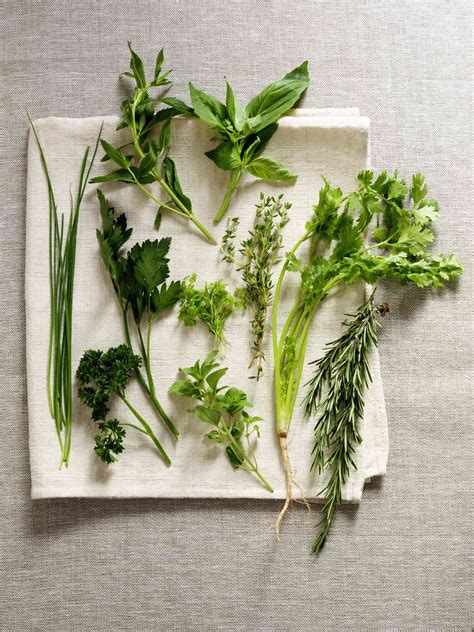
Beyond mere garnish, fresh herbs provide essential oils and compounds that impart complex flavors, bright colors, and healthful benefits to your meals. From the peppery bite of arugula to the earthy notes of rosemary, each herb plays a unique role. Keeping them fresh isn’t just about preventing waste; it’s about preserving the very essence that makes them so valuable in the kitchen.
General Principles for Herb Longevity
Before diving into specific storage methods, a few general rules apply to most fresh herbs:
- Inspect Upon Arrival: Remove any discolored, wilted, or damaged leaves immediately. These can accelerate spoilage for the rest.
- Gentle Washing: If dirty, wash herbs gently under cool running water. Avoid soaking unless specified.
- Thorough Drying: This is perhaps the most crucial step. Excess moisture is the enemy of fresh herbs, promoting mold and rot. Use a salad spinner or carefully pat them dry with paper towels until completely free of moisture.
Tailored Storage Methods for Different Herb Types
Herbs generally fall into two categories: soft and hardy. Their structure dictates the best storage approach.
Soft Herbs: Basil, Cilantro, Parsley, Mint, Dill, Tarragon
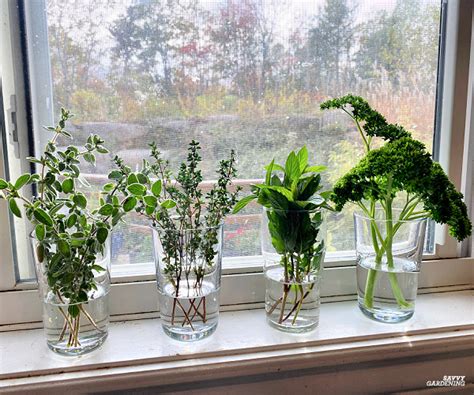
These herbs have tender stems and delicate leaves. They thrive in environments that mimic a bouquet of flowers:
- Trim the bottom of the stems, much like you would with fresh flowers.
- Place the herb stems into a glass or jar filled with an inch or two of fresh water.
- For basil, leave it on the counter away from direct sunlight, as refrigeration can turn its leaves black.
- For cilantro, parsley, mint, dill, and tarragon, cover the herbs loosely with a plastic bag (or invert a larger bag over the jar) and place them in the refrigerator. Change the water every day or two.
Hardy Herbs: Rosemary, Thyme, Oregano, Sage, Chives
These herbs have woody stems and sturdier leaves. They prefer a drier, slightly more protected environment:
- Ensure the herbs are thoroughly dry after washing.
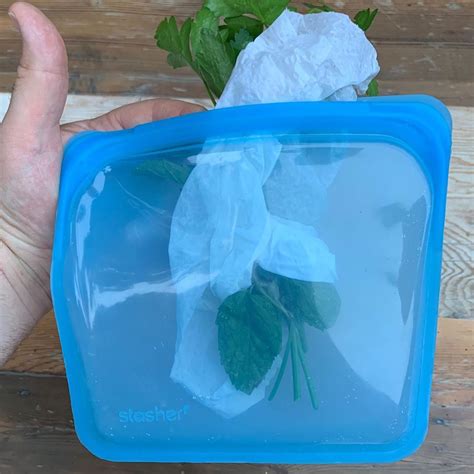
- Wrap the herbs loosely in a slightly damp paper towel.
- Place the wrapped herbs inside a resealable plastic bag or an airtight container.
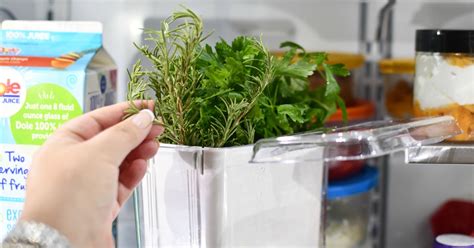
- Store in the crisper drawer of your refrigerator. The damp paper towel provides just enough moisture to prevent drying out without encouraging mold.
Beyond Refrigeration: Freezing for Long-Term Storage
When you have an abundance of herbs, freezing is an excellent option for preserving their flavor for several months.
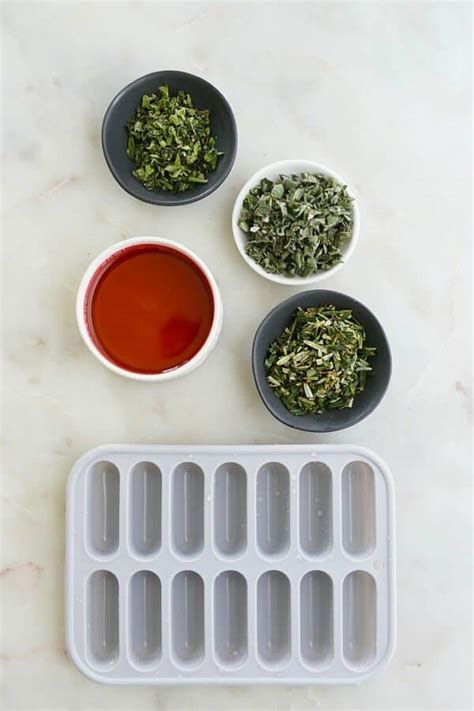
- Chopped and Frozen: Chop herbs finely. You can then place them in ice cube trays, covering them with a small amount of water or olive oil before freezing. Once solid, transfer the herb cubes to a freezer-safe bag.
- Whole Leaf Freezing: For some herbs like dill or parsley, you can simply spread clean, dry leaves on a baking sheet, freeze until solid, then transfer to a freezer bag.
Infused Oils and Butters
Another delicious way to preserve herbs and infuse flavor is by making herb-infused oils or butters. While these won’t last as long as frozen herbs, they’re fantastic for immediate use. Be cautious with fresh herb oils if not refrigerated, as they can pose a botulism risk; always refrigerate and use within a week, or consider quick-infusion methods for immediate use.
Reviving Wilted Herbs (Sometimes)
If your herbs look a little sad but aren’t slimy or discolored, you might be able to revive them. Place them in a bowl of ice water for 15-30 minutes. This can rehydrate the cells and bring back some crispness, especially for soft herbs like parsley or cilantro.

Conclusion
With these simple yet effective techniques, you can significantly extend the life and vibrancy of your fresh herbs. By taking a little extra time for proper storage, you’ll reduce food waste and ensure your kitchen is always stocked with the aromatic ingredients needed to create truly flavorful and memorable dishes. Happy cooking!