How to keep fresh herbs vibrant longer for flavorful recipes?

Unlock Maximum Flavor with Long-Lasting Herbs
Fresh herbs are the unsung heroes of many dishes, infusing them with bright, aromatic notes that elevate ordinary meals into culinary masterpieces. However, their delicate nature often means they wilt and lose their potency quickly after purchase. Don’t let your parsley go limp or your basil turn black! With a few simple storage techniques, you can significantly extend the life of your fresh herbs, ensuring they’re vibrant and ready to use whenever inspiration strikes.
Understanding Herb Types: Tender vs. Hardy
Before diving into storage methods, it’s crucial to distinguish between tender and hardy herbs, as their ideal preservation techniques differ:
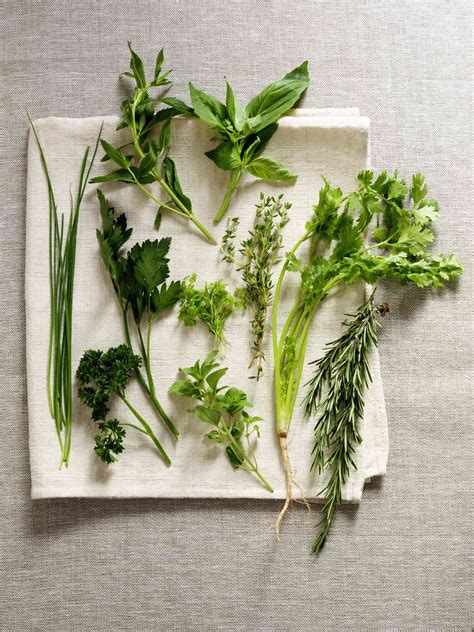
- Tender Herbs: These have soft, leafy stems and delicate leaves. Examples include basil, cilantro, parsley, mint, dill, and tarragon. They are more susceptible to wilting and bruising.
- Hardy Herbs: These have woodier stems and tougher leaves. Examples include rosemary, thyme, oregano, sage, and chives. They are generally more resilient and last longer.
Method 1: The Water & Bag Technique (for Tender Herbs)
This method mimics a bouquet of flowers and is ideal for keeping tender herbs like parsley, cilantro, and basil fresh for up to two weeks.
- Trim Stems: Snip about an inch off the bottom of the stems, just like you would with flowers. Remove any yellowing or damaged leaves.
- Hydrate: Place the herb stems into a glass or jar with about an inch of fresh water at the bottom. Ensure only the stems are in the water, not the leaves.
- Cover & Refrigerate (or not): For most tender herbs (parsley, cilantro, mint, dill), loosely cover the top with a plastic bag and place the jar in the refrigerator.
- Basil Exception: Basil, being more sensitive to cold, should be kept at room temperature, away from direct sunlight. Do not cover basil with a bag, as it traps too much moisture.
- Change Water: Replace the water every day or two to keep it fresh and prevent bacterial growth.

Method 2: Damp Paper Towel & Container (for Hardy Herbs)
Hardy herbs like rosemary, thyme, and oregano thrive in slightly damp conditions, making this method perfect for them.
- Wash & Dry: Gently wash the herbs under cool water and pat them thoroughly dry with paper towels. Excess moisture can lead to rot.
- Wrap: Lay the herbs on a slightly damp (not wet) paper towel. Roll them up gently.
- Store: Place the wrapped herbs inside a sealed plastic bag or an airtight container.
- Refrigerate: Store in the crisper drawer of your refrigerator. This method can keep hardy herbs fresh for 2-3 weeks.
Method 3: Freezing for Long-Term Storage
Freezing is an excellent option for preserving herbs for several months, especially if you have an abundance. While frozen herbs may lose some of their textural integrity, their flavor remains largely intact, making them perfect for soups, stews, sauces, and cooked dishes.
Oil or Water Cubes:
- Chop: Finely chop your desired herbs (parsley, cilantro, basil, oregano, etc.).
- Pack Ice Trays: Fill ice cube tray compartments about two-thirds full with the chopped herbs.
- Add Liquid: Pour olive oil or water over the herbs until they are covered. For basil, olive oil works particularly well.
- Freeze: Place the trays in the freezer until solid.
- Transfer: Once frozen, pop out the cubes and transfer them to freezer-safe bags or containers. Label with the herb name and date.

Direct Freezing:
Some herbs, like chives, dill, or even hardy herbs, can be simply chopped and frozen directly in a freezer bag or container without liquid. They might clump a bit, but you can usually break off portions as needed.
Method 4: Drying Herbs (Traditional Preservation)
Drying is one of the oldest methods of preservation and works wonderfully for hardy herbs like rosemary, thyme, oregano, and bay leaves. While the flavor becomes more concentrated, it also changes slightly.
- Air Drying: Bundle small bunches of herbs and tie them with kitchen twine. Hang them upside down in a warm, dry, well-ventilated area away from direct sunlight. This can take 1-3 weeks.
- Oven/Dehydrator Drying: For faster results, lay herbs in a single layer on a baking sheet at the lowest oven temperature (around 100-150°F / 40-65°C) with the door slightly ajar. Alternatively, use a food dehydrator according to its instructions.
- Store: Once completely dry and brittle, remove the leaves from the stems and store them in airtight containers in a cool, dark pantry.

General Tips for Maximizing Freshness
- Inspect Upon Purchase: Choose herbs that are bright green, firm, and free from yellowing, wilting, or dark spots.
- Wash Gently: If you wash herbs before storing, do so very gently and ensure they are thoroughly dry, especially for methods not involving water immersion. Excess moisture can promote rot.
- Avoid Overcrowding: Give your herbs space. Overcrowding in storage containers can trap moisture and accelerate spoilage.
- Rotate & Trim: Regularly check your stored herbs. Remove any leaves that show signs of spoilage, and re-trim stems if they start to look slimy in water.
Conclusion: Elevate Your Culinary Creations
By implementing these simple yet effective storage strategies, you can significantly prolong the life of your fresh herbs. No more tossing wilted greens or rushing to use up a bundle before it spoils. With vibrant, flavorful herbs always on hand, you’ll be ready to add that perfect finishing touch to any dish, transforming everyday cooking into an extraordinary culinary experience.