How to keep fresh herbs vibrant longer for foodie recipes? #HerbStorage

Elevate Your Culinary Creations with Lasting Fresh Herbs
For any true foodie, fresh herbs are non-negotiable. They transform a simple dish into a gourmet experience, adding vibrant colors, intoxicating aromas, and complex flavors. However, the joy of bringing home a fragrant bunch often quickly turns to dismay as they wilt and blacken within days. But what if you could extend their life, keeping them green and perky for weeks, ready to elevate your next culinary masterpiece? With a few simple tricks, you can master the art of herb preservation and bid farewell to wasted greens.
Understanding Your Herbs: Soft vs. Hardy
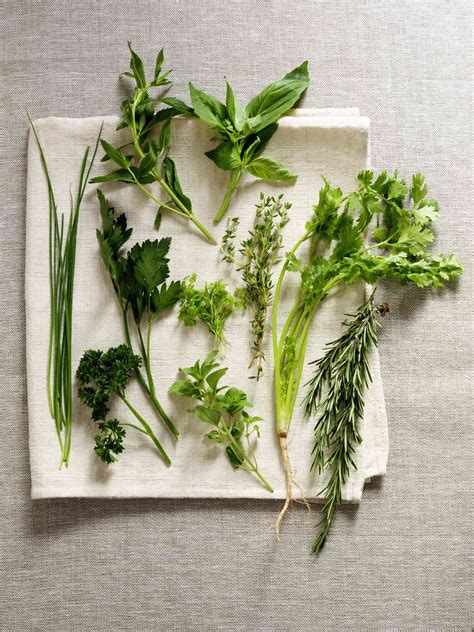
The secret to prolonged herb freshness lies in understanding their fundamental differences. Herbs generally fall into two categories: soft and hardy. Soft herbs, like cilantro, parsley, mint, and basil, have tender stems and leaves and are more prone to wilting. Hardy herbs, such as rosemary, thyme, oregano, and sage, have woody stems and sturdier leaves, making them a bit more resilient but still in need of proper care.
Before any storage method, always start by inspecting your herbs. Remove any discolored, bruised, or damaged leaves. Gently rinse them under cool water if visibly dirty, and then very carefully pat them dry with paper towels. Excess moisture is the enemy of freshness for most herbs.
Method 1: The “Bouquet” Approach for Soft Herbs
This classic method mimics how you’d keep a bouquet of flowers fresh and works wonders for most soft, leafy herbs (excluding basil, which we’ll cover separately).
How to do it:
- Trim the very ends of the stems, much like you would cut flower stems.
- Place the herb stems into a glass or jar filled with about an inch of fresh water.
- Cover the leaves loosely with a plastic bag (a produce bag works perfectly), creating a mini-greenhouse effect.
- Store in the refrigerator. Change the water every day or two.
Best for: Cilantro, parsley, mint, dill, chives (though chives can also be stored wrapped in a damp paper towel).
Basil’s Special Case: Basil is sensitive to cold and can blacken in the fridge. Store basil using the bouquet method, but leave it on the counter away from direct sunlight, covered loosely with a plastic bag.

Method 2: The “Damp Paper Towel” Technique for Hardy Herbs
Hardy herbs thrive in a slightly different environment – they prefer a bit of moisture but don’t need to be standing in water.
How to do it:
- Ensure your herbs are dry (no excess surface water).
- Lay them flat on a slightly damp (not wet) paper towel.
- Roll the herbs snugly in the paper towel.
- Place the rolled herbs into a sealable plastic bag or an airtight container.
- Store in the refrigerator.
Best for: Rosemary, thyme, oregano, sage, bay leaves, marjoram.

Beyond the Fridge: Freezing and Drying for Long-Term Storage
Sometimes, you have an abundance of herbs or want to preserve them for months. Freezing and drying are excellent long-term solutions.
Freezing Herbs:
- In oil: Chop herbs finely and pack them into ice cube trays. Cover with olive oil or another neutral oil. Freeze until solid, then pop out the cubes and store them in a freezer-safe bag. Perfect for adding to sautéed dishes, soups, and sauces.
- In water: Similar to the oil method, but cover chopped herbs with water. Ideal for adding to stews or stocks where water content isn’t an issue.
- Blanched & Frozen: For herbs like parsley or cilantro, you can blanch them quickly, shock them in ice water, squeeze out excess moisture, chop, and then freeze in a single layer before transferring to a bag.
Drying Herbs:
- Air Drying: Tie small bunches of woody herbs (rosemary, thyme, oregano) with twine and hang them upside down in a cool, dark, well-ventilated area until brittle (2-4 weeks).
- Oven Drying: Lay herbs on a baking sheet lined with parchment paper. Bake at the lowest possible temperature (usually 170-200°F / 75-90°C) with the oven door slightly ajar for 1-4 hours, checking frequently until dry and crumbly.
- Dehydrator: Follow your dehydrator’s instructions for drying herbs.

The Payoff: Freshness That Elevates Every Meal
Investing a few minutes in proper herb storage will dramatically enhance your cooking and reduce food waste. Imagine having vibrant cilantro for your tacos, fragrant rosemary for your roast, or pungent basil for your pasta any day of the week. By implementing these simple, effective techniques, you’ll ensure that your foodie creations are always infused with the freshest, most vibrant flavors, proving that a little care goes a long way in the kitchen.