How to keep fresh herbs vibrant longer for gorgeous garnishes?

The Challenge of Fresh Herbs: A Culinary Dilemma
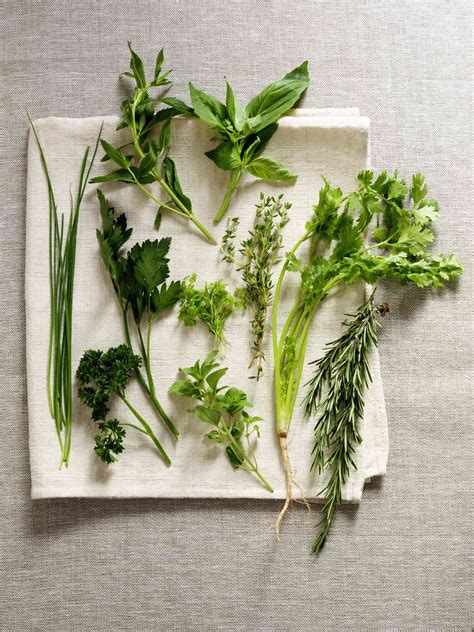
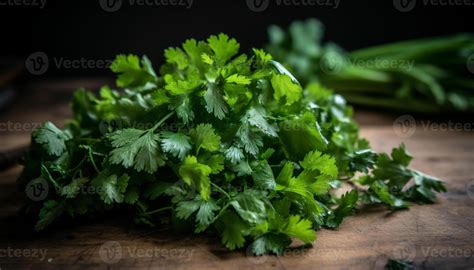
There’s nothing quite like the aromatic burst of fresh herbs to elevate a dish. From a sprinkle of bright parsley on a pasta to delicate dill adorning a salmon, they add not just flavor but also visual appeal. However, fresh herbs have a notorious reputation for wilting quickly, turning limp and brown just days after purchase. This common kitchen woe often leads to wasted ingredients and missed opportunities for gorgeous garnishes. But what if you could significantly extend their vibrant life?

Mastering Refrigeration: The Go-To Method
Refrigeration is the most common and effective way to prolong the life of many fresh herbs, but the technique varies depending on the type of herb. Generally, herbs fall into two categories: tender and hardy.
Tender Herbs: Basil, Cilantro, Parsley, Mint, Dill
These delicate herbs thrive on moisture and cool temperatures. Treat them much like a bouquet of flowers:
- Trim the bottom of the stems.
- Place them upright in a glass or jar with about an inch of water.
- Cover the herbs loosely with a plastic bag (or the produce bag they came in) to create a humid environment and prevent moisture loss.
- Store in the refrigerator. Change the water every day or two. Basil, however, is an exception; it’s best kept at room temperature, away from direct sunlight, using the same water-in-jar method.
Hardy Herbs: Rosemary, Thyme, Oregano, Sage
These woody-stemmed herbs prefer a slightly drier environment but still benefit from protection:
- Lightly dampen a paper towel.
- Wrap the herbs loosely in the damp paper towel.
- Place the wrapped herbs inside a resealable plastic bag or an airtight container.
- Store in the crisper drawer of your refrigerator.

Beyond the Fridge: Freezing for Long-Term Freshness
When you have an abundance of herbs or want to preserve them for several months, freezing is an excellent option, though it’s important to note that frozen herbs are best used in cooked dishes rather than as fresh garnishes, as their texture changes upon thawing.
Chopped and Frozen in Oil or Water
This method is fantastic for most herbs, especially basil, parsley, cilantro, and oregano:
- Wash and thoroughly dry your herbs.
- Finely chop them.
- Pack the chopped herbs into ice cube trays, filling each compartment about two-thirds full.
- Pour olive oil or water over the herbs until they are fully submerged.
- Freeze until solid.
- Once frozen, pop out the herb cubes and transfer them to a freezer-safe bag or container. Label with the herb type and date.
Whole Leaves (for Delicate Herbs)
Some delicate herbs like mint or basil can be frozen whole for later use in smoothies or infusions. Blanch them briefly, then shock in ice water, dry thoroughly, and freeze in a single layer before transferring to a bag.
The Art of Drying: Concentrated Flavor
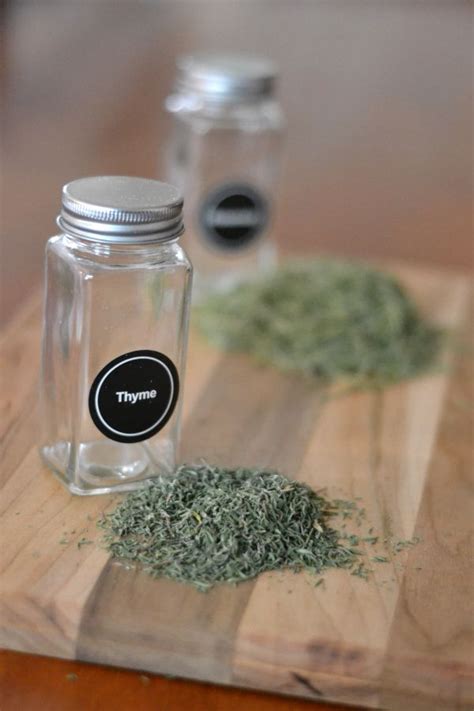
Drying herbs is one of the oldest preservation methods and is particularly suited for hardy herbs like rosemary, thyme, oregano, and sage. While dried herbs offer a different flavor profile than fresh, they are incredibly convenient and last for a very long time.
Air Drying
- Gather small bunches of herbs, tying the stems together with twine.
- Hang them upside down in a warm, dry, well-ventilated area away from direct sunlight.
- Allow them to dry for one to three weeks until they are brittle and crumbly.
- Once dry, strip the leaves from the stems and store them in airtight containers away from light and heat.
Oven or Dehydrator Drying
For quicker drying, an oven set to its lowest temperature (around 100-120°F or 40-50°C) with the door slightly ajar can work, or use a food dehydrator following the manufacturer’s instructions. Keep a close eye on them to prevent scorching.
Reviving Wilting Herbs: A Quick Fix
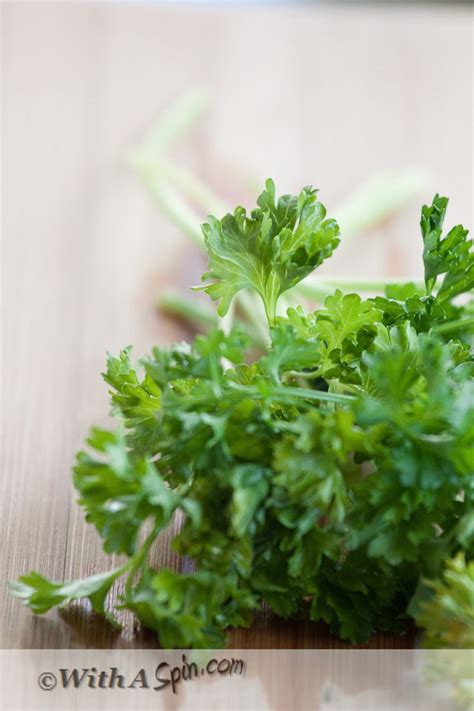
Even with the best intentions, sometimes herbs start to look a little sad. Don’t throw them out just yet! Many can be revived. For slightly wilted tender herbs like parsley or cilantro, trim the ends and place them in a glass of ice water for 20-30 minutes. This “ice bath” can often bring them back to life, making them crisp and ready for garnishing once more.
Conclusion: Freshness is Key to Culinary Beauty
With these simple yet effective preservation techniques, you can say goodbye to wasted herbs and hello to a kitchen always ready for vibrant garnishes and enhanced flavors. Whether you’re refrigerating for short-term use, freezing for cooked dishes, or drying for long-term storage, mastering herb preservation is a game-changer for any home cook looking to elevate their culinary creations.