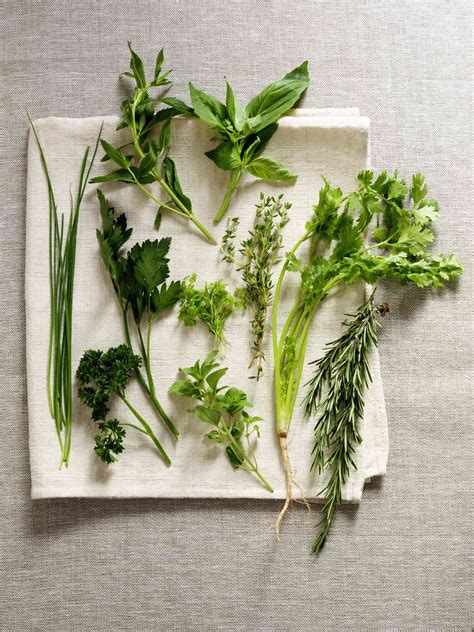
How to keep fresh herbs vibrant longer for stunning dishes?

Fresh herbs are the soul of many stunning dishes, infusing them with vibrant flavors, aromas, and a touch of professional finesse. However, their delicate nature often means they wilt and lose their potency within days of purchase, leading to waste and culinary disappointment. The good news is that with a few simple, effective storage techniques, you can significantly extend the life of your fresh herbs, keeping them crisp and flavorful for much longer.
Understanding the Enemy: Why Herbs Wilt
Herbs begin to degrade almost immediately after being harvested. The primary culprits are moisture loss and, in some cases, exposure to ethylene gas. Proper storage aims to minimize these factors, creating an environment that slows down the natural decomposition process.
General Preparation: The First Step to Longevity
Regardless of the specific storage method you choose, always start by gently washing your herbs under cool water to remove any dirt or pesticides. The most crucial step afterwards is drying them thoroughly. Excess moisture can lead to mold and rot. Use a salad spinner or carefully pat them dry with paper towels.
Method 1: The Water Glass Technique for Soft Herbs
This method is ideal for “soft” herbs like parsley, cilantro, basil (with a slight modification), dill, and mint. Treat them much like a bouquet of flowers. Trim the bottoms of the stems and place them upright in a glass jar or container with about an inch of water at the bottom. Loosely cover the herbs and glass with a plastic bag (or a reusable produce bag) to create a humid microclimate. Store this in the refrigerator (except for basil). Change the water every day or two.

Method 2: The Damp Paper Towel Roll for Hardy Herbs
Hardier, “woody” herbs such as rosemary, thyme, oregano, and sage thrive with a different approach. After washing and thoroughly drying, lay the herbs in a single layer on a slightly damp paper towel. Roll them up gently, then place the roll inside a plastic bag or an airtight container. Store this in the crisper drawer of your refrigerator. The damp paper towel provides just enough moisture to prevent drying out without encouraging rot.
Method 3: Freezing for Future Flavor
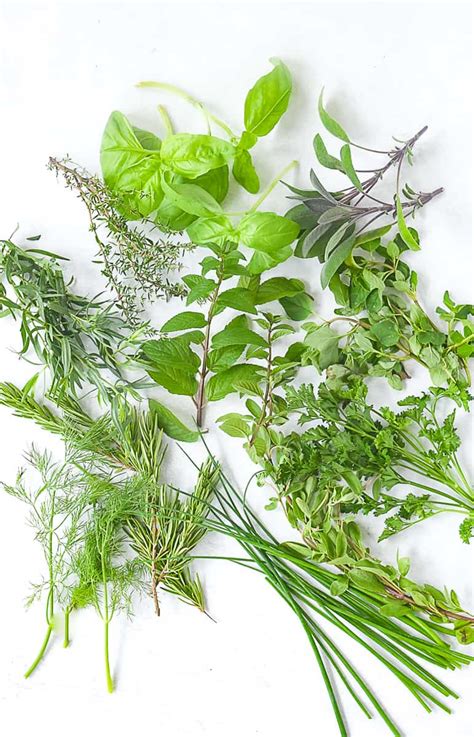
When you have an abundance of herbs or want to preserve them for longer-term use, freezing is an excellent option. For many herbs (parsley, cilantro, chives, dill, oregano, thyme), you can finely chop them, pack them into ice cube trays, and cover with a neutral oil (like olive oil) or water. Once frozen solid, transfer the herb cubes to a freezer-safe bag or container. This creates convenient portions for soups, stews, sauces, and sautéing.
Alternatively, you can freeze whole sprigs of herbs like rosemary or thyme on a baking sheet and then transfer them to a freezer bag once solid. They won’t be as crisp for garnishes but will retain their flavor for cooking.

Method 4: The Best Way to Store Basil
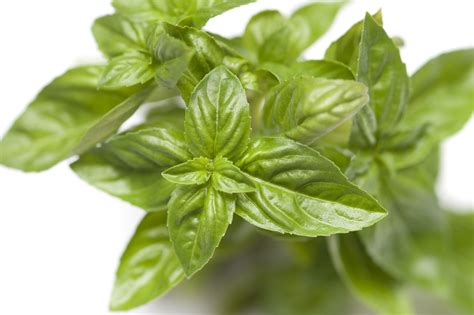
Basil is a unique case among soft herbs. It is highly sensitive to cold and can turn black and mushy when refrigerated. The best way to store fresh basil is to treat it like a cut flower: trim the stems, place it in a glass of water, and leave it on your kitchen counter at room temperature, out of direct sunlight. Loosely covering it with a plastic bag can still help maintain humidity. Replace the water daily. Basil stored this way typically lasts about a week.
Tips for Maximizing Freshness
- Check Regularly: Inspect your stored herbs every day or two. Remove any leaves that are showing signs of wilting, discoloration, or mold to prevent it from spreading.
- Optimal Fridge Placement: The crisper drawer is generally the best place for most herbs stored in the fridge, as it helps regulate humidity.
- Avoid Crowding: Ensure good air circulation around your herbs. Overpacking them can trap moisture and accelerate spoilage.
- Wash Before Use: Even if you washed them for storage, give them a quick rinse before adding them to your dishes.
Reviving Wilting Herbs (Emergency Fix)
If your herbs have started to wilt but aren’t yet discolored or slimy, you might be able to bring them back to life. Place the entire bunch of herbs (stems and leaves) into a bowl of ice water for 15-30 minutes. The cold water will help rehydrate the cells, often returning them to a crisp state. This trick works particularly well for parsley, cilantro, and mint.

By implementing these simple yet effective strategies, you can significantly prolong the vibrancy and flavor of your fresh herbs. No more tossing wilted greens – instead, enjoy the convenience of having fresh, aromatic herbs always ready to elevate your cooking and transform ordinary meals into extraordinary culinary experiences.