How to keep fresh herbs vibrant longer for stunning plating visuals?

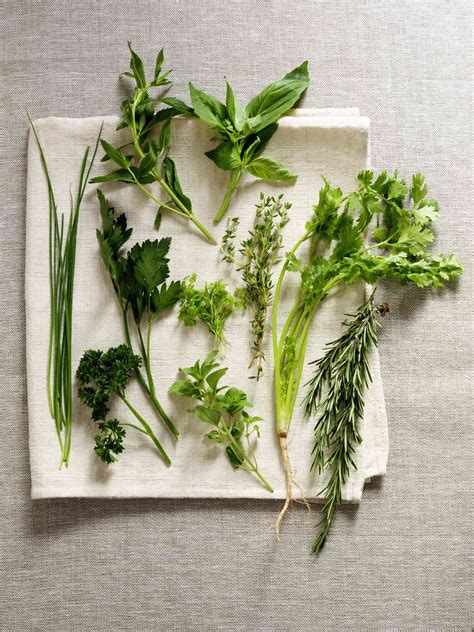
Fresh herbs are more than just a flavor enhancer; they are a visual cornerstone of exquisite food presentation. A sprinkle of bright green parsley, a few delicate basil leaves, or a sprig of fragrant rosemary can elevate a simple dish to gourmet status. However, keeping these delicate ingredients looking their best can be a challenge. Wilting, browning, or dull herbs can detract from an otherwise perfectly plated meal. This guide will walk you through proven methods to extend the vibrancy and freshness of your herbs, ensuring they always make a stunning visual impact.
Immediate Care Upon Purchase
The journey to long-lasting vibrant herbs begins the moment they enter your kitchen. Proper initial handling can significantly extend their shelf life.
Gentle Cleaning
Upon bringing herbs home, gently wash them under cool running water. Avoid harsh scrubbing which can bruise delicate leaves. If they’re particularly dirty, a quick dip in a bowl of cold water can help remove grit.
Thorough Drying is Key
Moisture is the enemy of fresh herbs in storage. After washing, it’s crucial to dry them completely. A salad spinner is highly effective for this. Alternatively, gently pat them dry with paper towels until there is no visible moisture. Any residual water will accelerate spoilage.

Optimal Short-Term Storage Methods
For herbs you plan to use within a week, these methods are excellent for maintaining freshness and color.
The Water Glass Technique
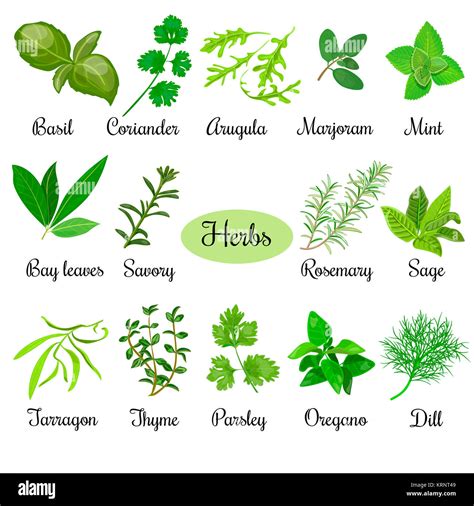
Treat hardy herbs like parsley, cilantro, basil, and mint like a bouquet of flowers. Trim the bottoms of the stems and place them upright in a glass with about an inch of water. Cover the leaves loosely with a plastic bag (or use a dedicated herb keeper) and place them in the refrigerator. For basil, which is sensitive to cold, leave it on the counter away from direct sunlight.
Damp Paper Towel Method
For more delicate or leafy herbs such as dill, tarragon, or chives, a damp paper towel can work wonders. Lay the washed and dried herbs on a slightly damp paper towel, roll them up loosely, and then place the bundle inside a sealed plastic bag or an airtight container. Store this in the crisper drawer of your refrigerator.
Longer-Term Preservation for Future Use
If you have an abundance of herbs or want to store them for several weeks, freezing is your best bet.
Freezing in Oil or Water
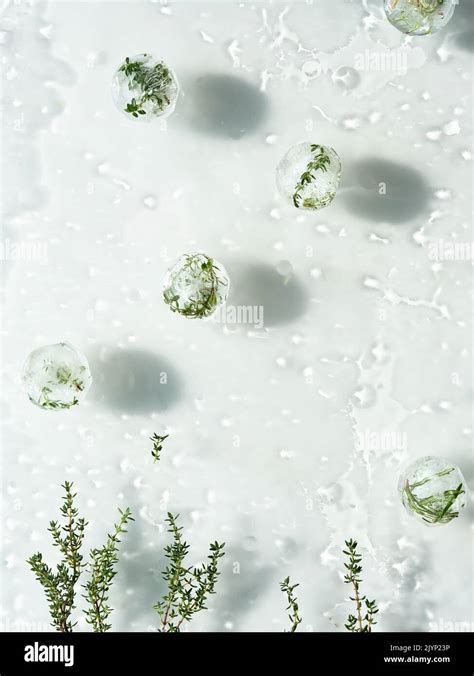
Chop hardy herbs like rosemary, thyme, oregano, and sage. Pack them tightly into ice cube trays. Cover the herbs with olive oil (for savory dishes) or water, then freeze. Once solid, transfer the herb cubes to a freezer-safe bag or container. These can last for months and are perfect for adding flavor to soups, stews, and sauces.
Freezing Delicate Herbs
Delicate herbs like parsley, cilantro, and basil can also be frozen, though their texture will change slightly, making them best for cooked applications rather than fresh garnishes. Chop them finely and freeze them flat in a single layer on a baking sheet before transferring to a freezer bag. Alternatively, purée them with a little water or oil before freezing in cubes.

Reviving Wilting Herbs
Even with the best storage practices, sometimes herbs start to wilt. Don’t despair! Many can be revived.
The Ice Bath Technique
For slightly wilted herbs, particularly leafy varieties like parsley or cilantro, a refreshing ice bath can work wonders. Trim a small amount off the bottom of the stems and submerge the entire bunch in a bowl of ice water for 15-30 minutes. The cold water helps them rehydrate and crisp up, bringing back their vibrant color and texture.
Plating with Panache
Once your herbs are perfectly fresh and vibrant, the final step is to use them effectively for stunning plating visuals.
Timing is Key
Always add fresh herbs as the very last step before serving. Heat can quickly dull their color and aroma. A quick sprinkle or placement just before the dish leaves the kitchen ensures maximum visual appeal and flavor burst.
Arrangement and Contrast
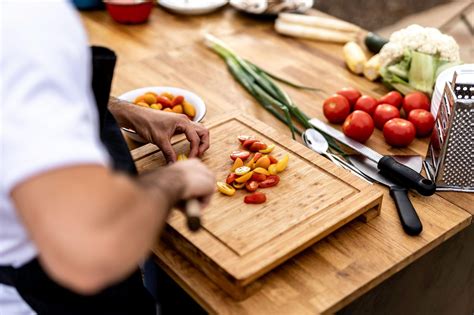
Consider the color and texture of your dish. Bright green herbs pop against lighter backgrounds (like mashed potatoes or pasta) and provide contrast against richer, darker foods. Use them to create height, define edges, or add a focal point. A mix of finely chopped herbs and whole leaves can add dynamic interest.

By implementing these simple yet effective techniques for cleaning, storing, and even reviving your fresh herbs, you’ll ensure that every dish you create not only tastes incredible but also looks as though it came straight from a gourmet kitchen. Embrace the power of vibrant herbs to transform your plating from ordinary to extraordinary.