How to keep fresh herbs vibrant longer for ultimate flavor?

Why Freshness Matters for Flavor
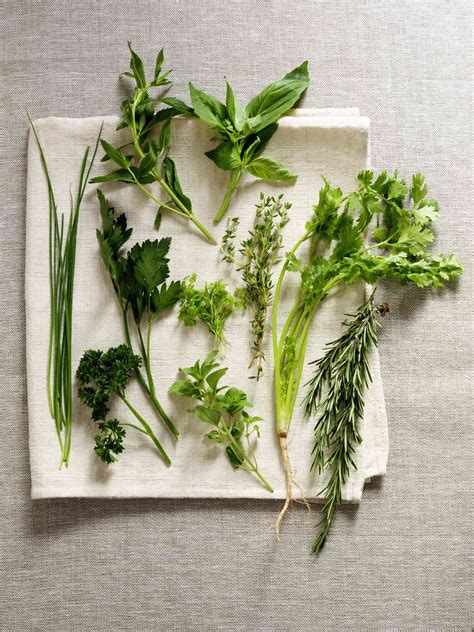
Fresh herbs are a cornerstone of vibrant, flavorful cooking. Their aromatic oils and delicate textures can elevate any dish from ordinary to extraordinary. However, their ephemeral nature means they often wilt or lose potency quickly after purchase. Understanding the right storage methods is crucial to preserving their delicate flavors and ensuring they’re ready to enhance your culinary creations whenever inspiration strikes.
Understanding Herb Types and Their Needs
Not all herbs are created equal, especially when it comes to storage. Generally, herbs can be divided into two main categories: hardy herbs and tender herbs. Each category requires a slightly different approach to maximize its lifespan.
Hardy Herbs (Woody Stems)
Herbs like rosemary, thyme, oregano, marjoram, and sage have woody stems and are typically more resilient. They prefer a drier environment than their tender counterparts.
- Method: Wrap them loosely in a slightly damp paper towel, then place them in a resealable plastic bag or an airtight container. Store them in the crisper drawer of your refrigerator.
- Lifespan: This method can keep them fresh for up to 2-3 weeks.

Tender Herbs (Soft Stems)
This group includes basil, cilantro, parsley, mint, dill, and tarragon. These herbs are more delicate and tend to wilt quickly if not properly hydrated.
- Method 1 (Best for most): Treat them like a bouquet of flowers. Trim the bottoms of the stems and place them upright in a glass or jar with about an inch of water. Cover the leaves loosely with a plastic bag (a produce bag works well) and store them in the refrigerator. Change the water every day or two.
- Method 2 (Basil exception): Basil is sensitive to cold and can blacken in the refrigerator. Store basil at room temperature using the bouquet method, keeping it away from direct sunlight. If your kitchen is very warm, a cool pantry or countertop is best.
- Lifespan: Tender herbs stored this way can last 1-2 weeks, with basil lasting about a week.

Pre-Storage Preparation Tips
Proper preparation before storing can significantly impact an herb’s longevity.
- Inspect and Clean: Before storing, gently remove any yellowed or damaged leaves. If your herbs are dirty, rinse them gently under cool water.
- Dry Thoroughly (Most Cases): For hardy herbs, and even tender herbs if you’re using the paper towel method, it’s crucial to dry them thoroughly after washing. Excess moisture can promote rot. A salad spinner or patting with paper towels works wonders.
- Trim Stems: Always trim the bottom of the stems before placing them in water, just like you would with cut flowers. This allows them to absorb water more efficiently.

Beyond the Refrigerator: Freezing Herbs
For long-term storage, freezing is an excellent option that preserves much of their flavor, especially for cooking applications where texture isn’t paramount.
- Method 1 (Chopped and Frozen): Chop herbs finely and pack them into ice cube trays. Cover with a neutral oil (like olive oil or vegetable oil) or water, then freeze. Once solid, transfer the herb cubes to a freezer-safe bag for easy access.
- Method 2 (Blanched and Frozen): For herbs like parsley or cilantro, you can blanch them briefly in boiling water, then plunge them into an ice bath. Squeeze out excess water, chop, and freeze flat in a freezer bag.
- Best for: Pesto, sauces, soups, and stews.

Final Thoughts on Herb Care
Maintaining fresh herbs requires a little effort, but the payoff in flavor is immense. By understanding the unique needs of different herb types and employing these simple storage techniques, you can drastically reduce waste and ensure your kitchen is always stocked with vibrant, aromatic ingredients ready to transform your meals. Experiment with these methods to find what works best in your climate and with your specific herb varieties, and enjoy the ultimate flavor burst fresh herbs provide!