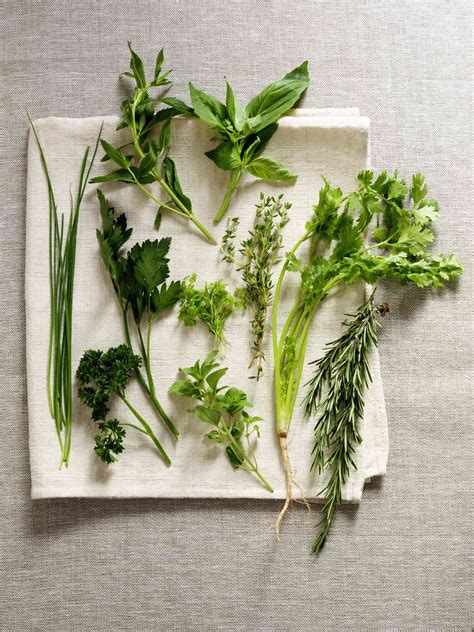
How to keep fresh herbs vibrant longer for visually stunning dishes?

Unlock the Secret to Long-Lasting Fresh Herbs
Fresh herbs are the secret weapon in any kitchen, not just for their aromatic flavors but also for their incredible ability to transform a simple dish into a visually stunning masterpiece. A sprinkle of vibrant green parsley or a sprig of deep purple basil can elevate presentation from ordinary to extraordinary. However, these delicate beauties often wilt and lose their luster far too quickly. Don’t let your culinary ambitions be dimmed by dreary greens! With the right techniques, you can keep your fresh herbs vibrant and robust for much longer, ensuring every meal looks as good as it tastes.
Mastering herb preservation not only reduces food waste but also guarantees you always have access to that perfect fresh garnish or flavor enhancer. Let’s dive into practical, easy-to-follow methods that will revolutionize the way you store and use your beloved herbs.
Tender vs. Woody Herbs: Understanding Their Needs
The first step to proper herb storage is understanding the two main categories: tender and woody. Each type has different requirements for optimal freshness.
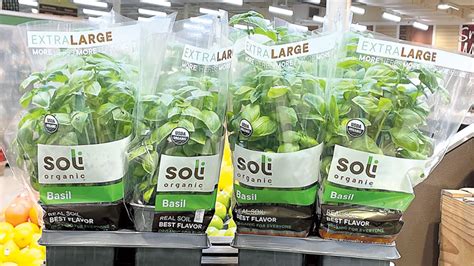
- Tender Herbs: These include parsley, cilantro, basil, mint, dill, and tarragon. They have soft stems and delicate leaves, and generally prefer a bit of moisture.
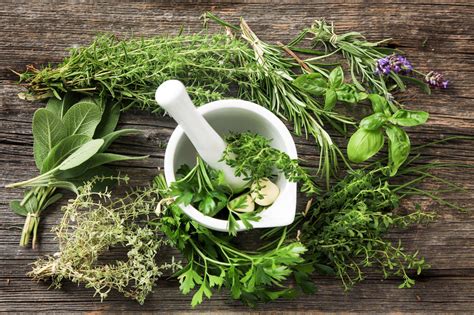
- Woody Herbs: Think rosemary, thyme, oregano, sage, and marjoram. They have tougher, often fibrous stems and more robust leaves, making them less prone to wilting.
The Golden Rule: Wash and Dry Thoroughly
Regardless of the herb type, proper preparation is key. As soon as you bring them home, wash your herbs gently under cool water to remove any dirt or debris. The most critical step, however, is drying them thoroughly. Excess moisture can lead to mold and spoilage.
For tender herbs, a salad spinner works wonders. For all herbs, lay them out on a clean kitchen towel or paper towels and gently pat them dry until no visible moisture remains. This meticulous drying process is non-negotiable for extending shelf life.
Tender Care: Vase Method & Paper Towel Wrap
Tender herbs thrive with a little hydration, similar to cut flowers.
- Vase Method: Trim the bottoms of the stems and place the herbs upright in a glass jar or vase with about an inch of water, just like a bouquet. Cover loosely with a plastic bag (or even better, a produce bag) to create a humid environment, and refrigerate. Change the water every day or two. This method works exceptionally well for parsley, cilantro, and mint.
- Paper Towel Wrap Method: For herbs like dill or tarragon, you can gently wrap them in a slightly damp paper towel, then place the bundle inside a sealed plastic bag or an airtight container before refrigerating.
A note on basil: Basil is a bit finicky and doesn’t like the cold. Store it using the vase method, but keep it at room temperature, away from direct sunlight. Only refrigerate if your kitchen is excessively hot.
Woody Wonders: Simple Paper Towel Wrap
Woody herbs are more forgiving and require less fuss. Their robust nature means they don’t need to stand in water.
Simply wrap clean, dry woody herbs (like rosemary, thyme, or oregano) loosely in a dry paper towel. Place this bundle inside a resealable plastic bag or an airtight container and store it in the refrigerator. This method prevents them from drying out too quickly while avoiding excess moisture.
Long-Term Solutions: Freezing Herbs
If you have an abundance of herbs or want to preserve them for several months, freezing is an excellent option.
- Ice Cube Tray Method: Chop herbs finely and pack them into ice cube trays. Cover with a neutral oil (like olive oil) or water. Freeze until solid, then pop out the cubes and transfer them to a freezer-safe bag. These herb cubes are perfect for soups, stews, sauces, and sautéed dishes.
- Chopped and Frozen Method: For larger quantities, finely chop herbs, spread them in a single layer on a baking sheet, and freeze for an hour. Once solid, transfer them to a freezer-safe bag, pressing out as much air as possible.

A Second Chance: Reviving Wilted Herbs
Even with the best care, sometimes herbs can look a bit sad. Don’t despair! A quick ice water bath can often bring them back to life. Trim the ends of the stems and plunge the herbs into a bowl of ice water for 15-30 minutes. This rehydrates the cells, restoring some of their crispness and vibrancy. It works particularly well for tender herbs like parsley or cilantro.

The Visual Impact: Elevating Your Dishes
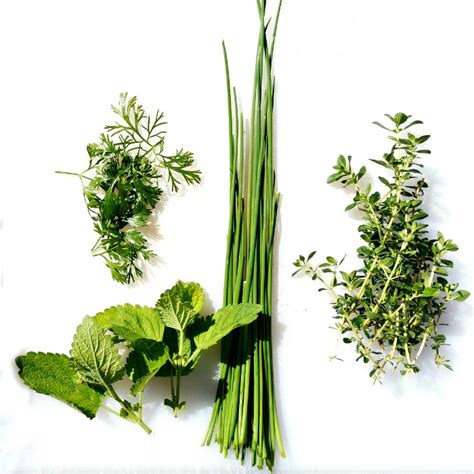
Now that you know how to keep your herbs beautifully fresh, you can fully leverage their power to create visually stunning dishes. A sprinkle of bright green chives over a creamy potato soup, a fanned sprig of rosemary on a roasted chicken, or a generous scattering of colorful basil on a Caprese salad – these small additions make a monumental difference.
Always add fresh herbs as a garnish just before serving to maximize their vibrant color and delicate aroma. By prioritizing the freshness and presentation of your herbs, you’re not just cooking; you’re crafting an experience for the eyes and the palate.
Conclusion
Keeping fresh herbs vibrant longer is not a chore; it’s an investment in your culinary artistry. By understanding the simple needs of different herb types and employing a few easy storage techniques, you can ensure your kitchen is always stocked with brilliant, flavorful greens. Say goodbye to wasted wilted herbs and hello to a world of dishes that are as visually spectacular as they are delicious!