How to keep fresh herbs vibrant & photo-ready for gourmet recipes longer?
Fresh herbs are the soul of gourmet cooking, elevating dishes with their vibrant flavors, aromas, and visual appeal. Yet, all too often, these delicate ingredients wilt, discolor, or lose their potency within days of purchase. The good news is that with a few simple techniques, you can drastically extend their lifespan, keeping them lush and photo-ready for much longer, ensuring your culinary creations always look as good as they taste.
The Essential First Steps: Preparation is Key
The journey to long-lasting herbs begins the moment they enter your kitchen. Proper initial preparation can make all the difference.
First, carefully inspect your herbs. Remove any visibly damaged, yellowed, or slimy leaves, as these can accelerate spoilage for the entire bunch. Avoid washing them immediately unless you plan to use them right away. Excess moisture is the enemy of fresh herbs, promoting mold and rot.

Tailored Storage: Different Herbs, Different Needs
Not all herbs are created equal, and their storage requirements vary. Grouping them by type—tender versus hardy—is crucial for optimal preservation.
Tender Herbs: The Water Bath Method
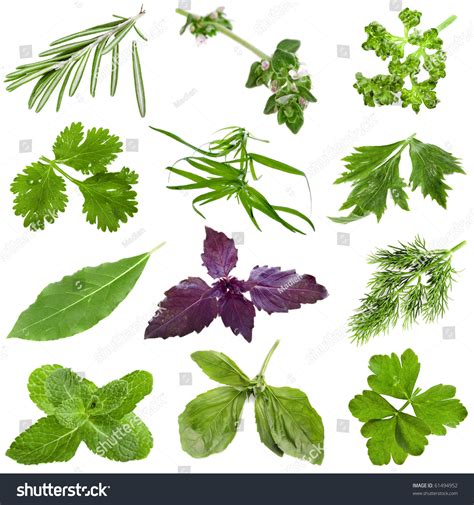
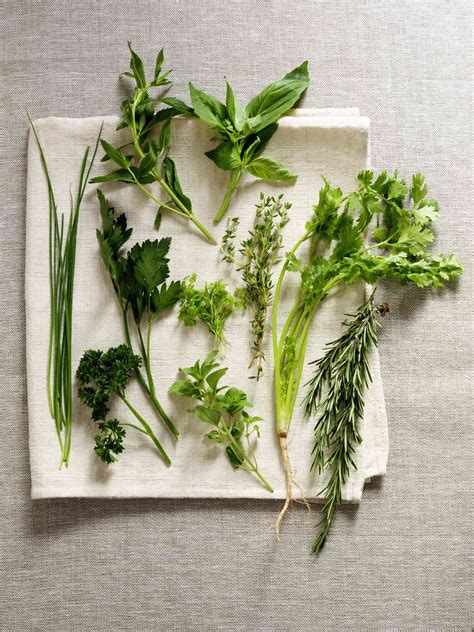
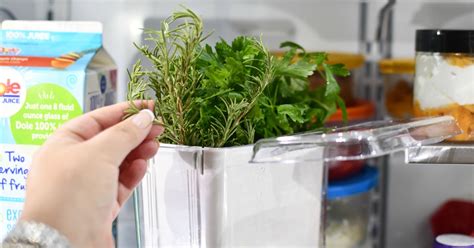
Herbs like parsley, cilantro, basil, mint, dill, and tarragon thrive with a method similar to cut flowers. Trim about half an inch off the bottom of the stems. Place the herbs upright in a glass jar with about an inch of fresh water, ensuring only the stems are submerged. For basil, which is sensitive to cold, leave it on the counter away from direct sunlight. For most other tender herbs, cover the top loosely with a plastic bag (or the produce bag they came in) to create a humid environment and place them in the refrigerator. Change the water every day or two.
Hardy Herbs: The Damp Paper Towel Roll
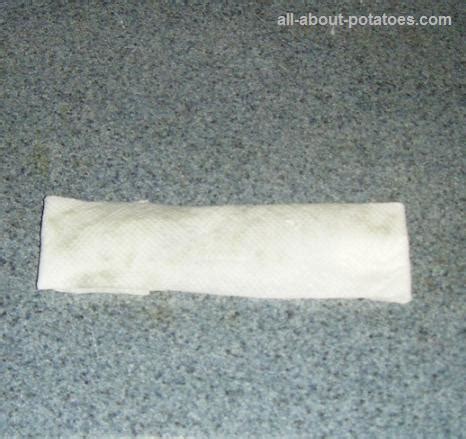
Woodier herbs such as rosemary, thyme, oregano, sage, and chives prefer a drier environment but still need some moisture. Lightly dampen a paper towel (not soaking wet). Lay the herbs flat on the paper towel and roll them up gently. Place the wrapped herbs inside a resealable plastic bag or an airtight container, then store them in the crisper drawer of your refrigerator. This method protects them from drying out while preventing excess moisture build-up.
Beyond Refrigeration: Long-Term Solutions
For an even longer shelf life, especially when you have an abundance of herbs, consider freezing.
Freezing in Oil Cubes
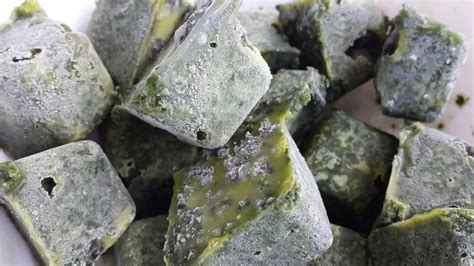
Finely chop herbs like parsley, cilantro, dill, or chives. Pack them into ice cube trays, filling each compartment about two-thirds full. Top with olive oil (or melted butter for some recipes) and freeze until solid. Once frozen, pop the cubes out and store them in a freezer-safe bag or container. These herb-oil cubes are perfect for sautéing, soups, and sauces, adding instant flavor without needing to thaw.
Blanched and Frozen
Basil and mint can be blanched briefly (a few seconds) in boiling water, then immediately plunged into an ice bath to preserve their color. Pat them very dry, chop, and freeze flat on a baking sheet before transferring to a freezer bag. This prevents freezer burn and maintains their vibrant green.
Revitalization and Presentation Tips
If your herbs look a little limp, a quick ice bath can often revive them. Submerge wilted herbs in a bowl of ice water for 15-30 minutes. The cold water helps them rehydrate, restoring their crispness and vibrant color.
For that “photo-ready” finish, always ensure your herbs are thoroughly dried after washing and before plating. Pat them gently with a clean paper towel or use a salad spinner. A glistening, perfectly placed sprig of fresh herb can elevate any dish from home-cooked to gourmet masterpiece, adding a touch of professional polish.

Common Pitfalls to Avoid
- Over-washing and Storing Wet: Always dry herbs completely before storing, especially if using the paper towel method.
- Airtight Containers Without Breathability: While some containers are good, completely sealed ones without any ventilation can trap moisture and accelerate decay for some herbs.
- Storing Next to Ripening Fruits: Fruits like apples, bananas, and tomatoes release ethylene gas, which can cause herbs to yellow and wilt prematurely. Keep them separate.
Conclusion
Mastering the art of herb preservation means less waste, more flavor, and consistently beautiful dishes. By understanding the specific needs of different herb types and implementing these simple storage and revitalization techniques, you can enjoy the fresh, aromatic goodness of your herbs for much longer. Go ahead, garnish generously and cook with confidence, knowing your vibrant herbs are always ready for their close-up.