How to keep fresh ingredients vibrant and photo-ready through cooking?

In the age of visual storytelling, the appearance of food is almost as important as its taste. From a quick snapshot for social media to a professional food blog, keeping your fresh ingredients looking their best through the cooking process is key to creating truly mouth-watering dishes. It’s not just about aesthetics; vibrant colors often indicate higher nutritional value and proper cooking.
The Foundation: Starting with the Best
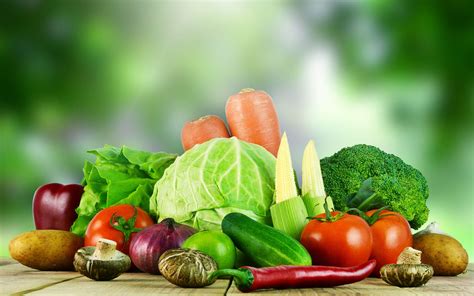
The journey to vibrant, photo-ready food begins long before you even turn on the stove. Selecting the freshest, highest-quality ingredients is paramount. Look for produce that is firm, brightly colored, and free from blemishes or wilting. Overripe or bruised ingredients will never achieve that ‘pop’ you’re aiming for, no matter how skilled your cooking.
Once home, proper storage is crucial. Store leafy greens in airtight containers with a damp paper towel, berries unwashed in their original containers, and root vegetables in a cool, dark place. Minimizing exposure to air and light helps preserve their natural pigments and textures.
Prep Work That Pays Off
Careful preparation sets the stage. Wash vegetables and fruits gently under cool water, avoiding harsh scrubbing that can damage delicate skins. Dry them thoroughly, especially if you plan to sauté or roast, as excess moisture can lead to steaming instead of browning.
When cutting, aim for uniformity. Evenly sized pieces cook at the same rate, preventing some parts from overcooking and losing their color while others are still raw. Use sharp knives to make clean cuts, which minimizes cell damage and oxidation that can dull appearance.
Cooking Techniques for Color Retention
Blanching and Shocking
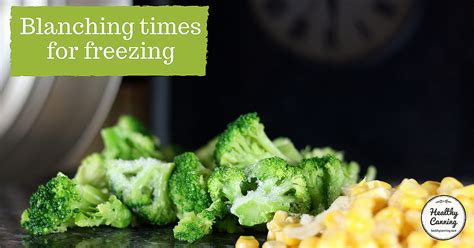
This technique is a game-changer for green vegetables like broccoli, green beans, and asparagus. Briefly boil them in salted water for 1-2 minutes, then immediately plunge them into an ice bath. The hot water brightens their color, and the cold water stops the cooking process, preserving their crisp texture and vibrant hue.
Quick Sautéing and Stir-Frying
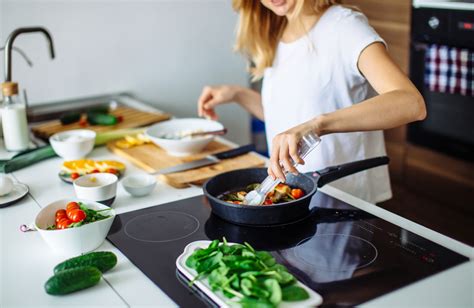
High heat and short cooking times are ideal for maintaining the crunch and color of many vegetables. Use a hot pan and a small amount of oil, cooking ingredients just until tender-crisp. Overcrowding the pan can lower the temperature, leading to steaming and dullness, so cook in batches if necessary.
Steaming
Steaming is a gentle cooking method that retains more nutrients and color than boiling, as ingredients are not submerged in water. It’s perfect for delicate vegetables, allowing them to cook evenly without becoming waterlogged.
Roasting with Care
When roasting, higher temperatures can lead to beautiful caramelization and slightly crisped edges. However, be mindful not to over-roast, which can cause vegetables to darken too much or become mushy. A light toss with oil and seasonings before roasting helps achieve an even cook and appealing sheen.
Timing is Everything
One of the biggest culprits of dull, unappetizing food is overcooking. Delicate herbs and spices should be added towards the end of the cooking process to preserve their freshness and aroma. Vegetables should be cooked just to al dente – tender but with a slight bite – to ensure their colors remain bright and appealing.
If you’re making a dish with multiple ingredients, consider their individual cooking times. Add tougher vegetables earlier and more delicate ones later, so everything finishes cooking at roughly the same time, vibrant and perfectly textured.
Enhance and Present
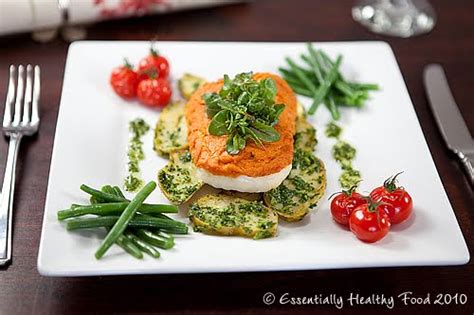
Even perfectly cooked food can benefit from a little extra flourish. A squeeze of fresh lemon juice or a sprinkle of citrus zest can brighten flavors and enhance colors. A drizzle of high-quality olive oil or a brush of a light glaze can add an appealing sheen. Fresh herbs, finely chopped or as whole sprigs, provide a burst of green and professional finish.
Thoughtful plating is the final touch. Arrange ingredients purposefully, creating height, contrast, and visual interest. Consider using a neutral-colored plate to let the food’s natural vibrancy shine.
Specific Ingredient Tips
- Leafy Greens: Always blanch and shock or quick-sauté to keep them bright green and avoid wilting into an army green mess.
- Red/Purple Vegetables (beets, red cabbage): These can ‘bleed’ color. Cook them separately or add acidic ingredients (like vinegar or lemon juice) to help stabilize their pigments.
- Carrots, Bell Peppers: Quick cooking methods like stir-frying or light roasting enhance their natural sweetness and maintain their vivid hues.
- Tomatoes: For sauces, avoid overcooking. For fresh applications, simply use them raw or lightly warmed to preserve their bright red.
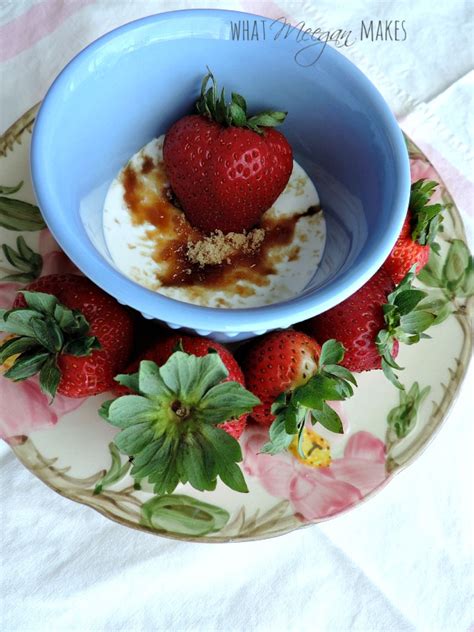
- Berries and Fruits: These are often best enjoyed raw or lightly cooked for a short period to retain their vibrant colors and natural sugars, especially for garnishes.
Achieving photo-ready, vibrant ingredients through cooking is a blend of careful selection, smart preparation, and precise cooking techniques. By understanding how different methods affect color and texture, you can consistently create dishes that are not only delicious but also a feast for the eyes. Each meal becomes an opportunity to showcase the natural beauty of fresh produce, transforming everyday cooking into an art form.