How to keep herbs fresh longer for vibrant garnishes?
Fresh herbs are the soul of many dishes, providing bright flavors and aromatic finishes. They are also essential for creating vibrant, appealing garnishes that elevate the presentation of any meal. However, keeping them fresh can be a challenge, as they often wilt or discolor quickly after purchase. Master the art of herb preservation with these practical tips and techniques, ensuring your garnishes always look and taste their best.
Why Freshness Matters for Garnishes
A vibrant garnish isn’t just about aesthetics; it’s about the full sensory experience. Wilting, discolored herbs can detract from an otherwise beautiful dish, signaling a lack of care or attention to detail. Fresh herbs, on the other hand, provide a crisp texture, potent aroma, and lively color that enhances the overall appeal and perceived quality of your culinary creations.

General Principles for Herb Storage
Before diving into specific methods, understand the enemies of fresh herbs: excessive moisture, lack of moisture, and fluctuating temperatures. The goal is to create an environment that mimics their natural growing conditions as closely as possible, without allowing them to rot or dry out.
Method 1: The Water Bath Method (for Soft Herbs)
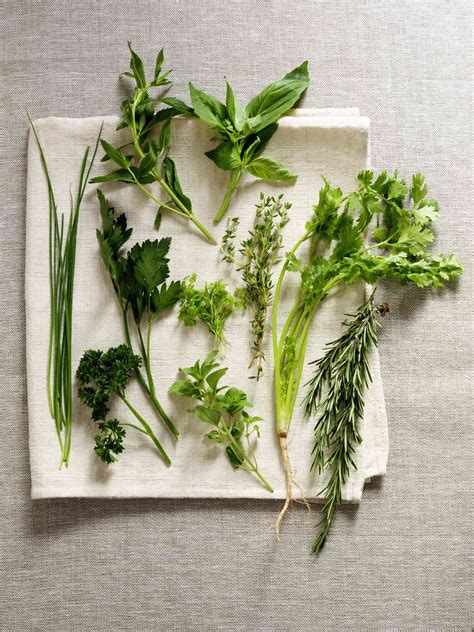
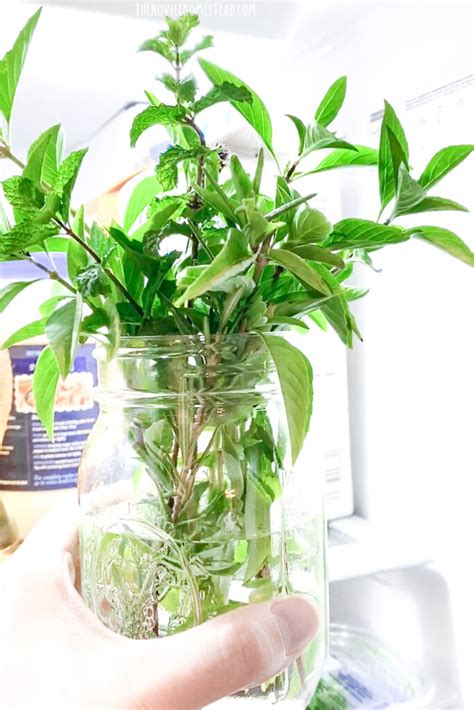
This method is ideal for delicate, soft-stemmed herbs like parsley, cilantro, basil, mint, and dill. It’s akin to keeping a bouquet of flowers fresh.
- Trim the Stems: Snip about an inch off the bottom of the stems. Remove any leaves that would fall below the waterline to prevent rotting.
- Place in Water: Stand the herbs upright in a glass or jar filled with an inch or two of fresh water.
- Cover Loosely: For most soft herbs (except basil), loosely cover the top with a plastic bag to create a mini-greenhouse effect and prevent dehydration.
- Refrigerate: Place the glass in the refrigerator. Basil, however, prefers room temperature as it can turn black in the cold. Change the water every 1-2 days.

Method 2: The Damp Paper Towel Method (for Hardier Herbs)
Hardier herbs with tougher stems, such as rosemary, thyme, oregano, and sage, do well with this method. It keeps them moist without submerging them.
- Wash and Dry: Gently wash the herbs and dry them thoroughly with a salad spinner or paper towels. Excess moisture is the enemy here.
- Wrap in Damp Paper Towel: Lightly dampen a paper towel (don’t soak it) and lay out a handful of herbs. Roll them up snugly in the damp towel.
- Store in Bag or Container: Place the wrapped herbs into a resealable plastic bag or an airtight container.
- Refrigerate: Store in the crisper drawer of your refrigerator. Check the paper towel every few days and re-dampen if it starts to dry out.
Method 3: Freezing for Long-Term Storage
While fresh is always best for garnishes, freezing can be a good option for herbs you plan to cook with later, or for saving a bumper crop. Finely chopped frozen herbs can still offer bursts of flavor, even if the texture isn’t ideal for delicate garnishes.
- Chop and Pack: Finely chop your herbs (e.g., parsley, cilantro, chives). Pack them into ice cube trays.
- Add Liquid: Cover the chopped herbs with a neutral oil (like olive oil) or water.
- Freeze: Freeze until solid, then transfer the herb cubes to a freezer-safe bag or container.
These frozen cubes are perfect for adding flavor to soups, stews, sauces, or sautéed dishes. While they won’t offer the crispness for a perfect garnish, they prevent waste and provide flavorful options.
Tips for Vibrant Garnishes
- Harvest Mindfully: If you grow your own, harvest in the morning after the dew has dried but before the sun is too strong.
- Handle Gently: Fresh herbs bruise easily. Handle them with care to avoid damage to leaves and stems.
- Wash Just Before Use: If you’ve used the damp paper towel method, a quick rinse before serving is usually sufficient. If using the water bath method, rinse and dry thoroughly just before garnishing.
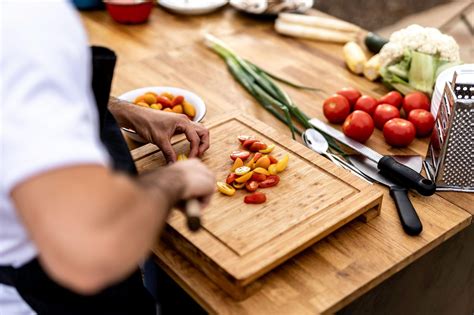
- Use Sharp Tools: A sharp knife or kitchen shears will cut cleanly without bruising the delicate leaves.
- Store Garnishes Separately: Once chopped for garnish, use them promptly. If you must store them for a very short period, keep them in an airtight container with a lightly damp paper towel in the refrigerator.
Conclusion
Keeping herbs fresh doesn’t have to be a mystery. By understanding the needs of different herb types and employing simple storage techniques, you can significantly extend their shelf life. A little effort goes a long way in ensuring your kitchen always has a supply of vibrant, flavorful herbs ready to transform your meals from ordinary to extraordinary, with garnishes that truly pop.