How to keep ingredients vibrant & fresh for stunning recipe photos?
The Crucial Role of Freshness in Food Photography
In the world of recipe photography, the visual appeal of your ingredients is paramount. A dull, wilted herb or a discolored vegetable can instantly diminish the allure of even the most delicious dish. Capturing food at its peak freshness ensures your photos are not just visually stunning but also accurately convey the quality and deliciousness of your recipes. It’s about making the viewer’s mouth water just by looking at the image.
Achieving this vibrancy requires more than just good lighting and camera skills; it starts long before the shutter clicks, with careful preparation and thoughtful handling of every single component.
Pre-Shoot Preparation: From Market to Mise en Place
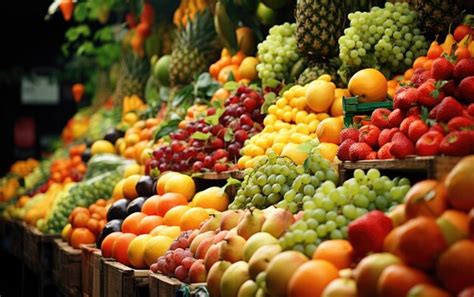
The journey to vibrant ingredients begins at the market. Choose the freshest produce available, looking for firm textures, bright colors, and healthy leaves. Avoid anything with blemishes, wilting, or signs of spoilage. Once home, proper immediate handling is key.
- Wash and Dry Carefully: Wash most produce just before use, but if you must wash ahead, ensure they are thoroughly dried to prevent premature spoilage. A salad spinner is excellent for greens.
- Strategic Storage: Store ingredients in appropriate conditions. Leafy greens love a damp paper towel in an airtight container in the fridge. Herbs can often be treated like flowers, stems in a jar of water covered loosely, or wrapped in a damp paper towel.
- Chop Just Before: Cut or chop ingredients as close to the shoot time as possible. Oxidation can quickly dull cut surfaces, especially for fruits and vegetables like apples, avocados, and potatoes.
Maintaining Peak Vibrancy During the Shoot
Even with excellent preparation, ingredients can lose their luster under hot studio lights or during lengthy styling sessions. Here are techniques to combat wilting and discoloration:
Hydration is Key: The Ice Water Bath
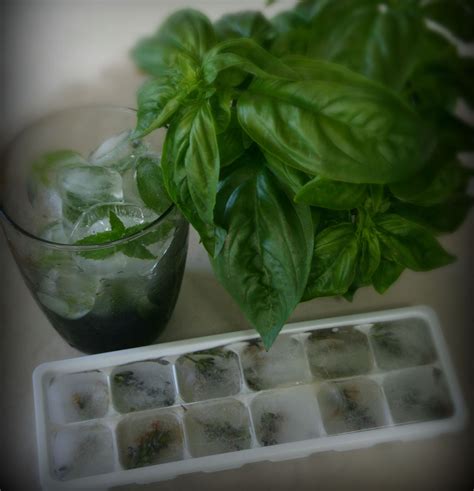
For many leafy greens, herbs, and crisp vegetables like radishes, cucumbers, and bell peppers, a quick dip in an ice water bath can work wonders. Submerge them for 5-10 minutes, then drain and pat dry immediately before plating. This rehydrates the cells, making them firm and vibrant again.
Preventing Oxidation and Browning
When working with ingredients prone to browning (apples, pears, avocados, artichokes), a little lemon juice or a citrus acid solution can be your best friend. Lightly brush or spray cut surfaces to create a protective barrier. For potatoes or other starchy vegetables, keep them submerged in cold water until ready to cook or photograph.
Last-Minute Touch-Ups and Tricks
Sometimes, despite your best efforts, an ingredient might need a little boost right before the final shot.
- Misting: A fine mist of water on fresh produce can make it look dewy and incredibly fresh, especially for fruits and vegetables. Be careful not to overdo it, as large droplets can look artificial.
- Brushing with Oil: For cooked vegetables or roasted meats, a light brush of olive oil can add a beautiful sheen and enhance color without making it look greasy.
- Strategic Placement: Always place the freshest, most vibrant pieces of an ingredient on top or in the most prominent view. Reserve slightly less perfect pieces for supporting roles or underneath.
Timing and Workflow: Your Best Allies
The most effective strategy for keeping ingredients vibrant is efficient timing. Plan your shoot carefully, minimizing the time ingredients sit out. Group similar tasks, and if possible, have assistants help with prep. Cook and assemble dishes just before they are to be photographed.
For complex dishes with multiple components, understand which elements can be prepped ahead and which need to be last-minute additions for maximum freshness. Fresh herbs, garnishes, and delicate sauces should always be added right at the very end.
Post-Shoot Care and Storage
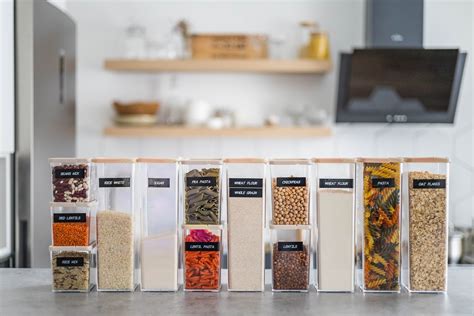
While the focus is on pre- and mid-shoot vibrancy, remember that proper handling after the shoot ensures ingredients (if not consumed) remain fresh for future use or consumption. Quickly refrigerate cooked components, and store unused raw ingredients appropriately to minimize waste.
By integrating these practices into your food photography workflow, you’ll elevate your images from good to genuinely spectacular, allowing the true beauty and freshness of your ingredients to shine through.