How to keep ingredients vibrant & fresh for visually stunning food photos?
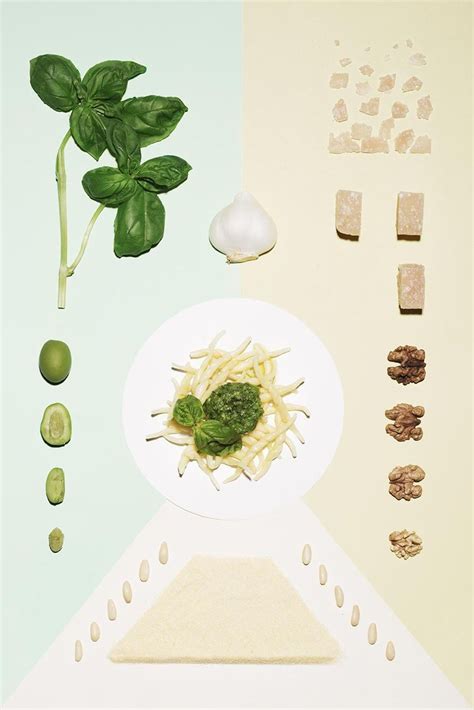
The Secret to Eye-Catching Food Photography: Freshness is Key
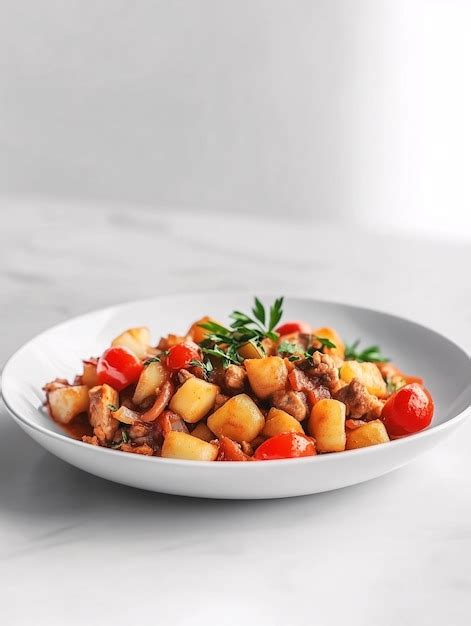
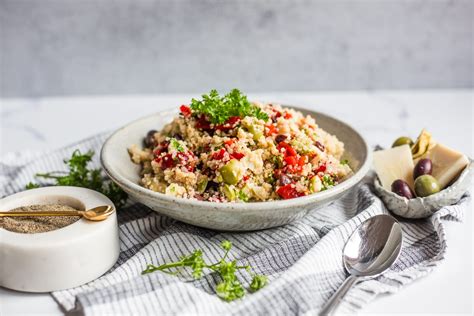
In the world of food photography, a picture truly is worth a thousand words – and often, a thousand cravings. While lighting, composition, and props play crucial roles, the inherent vibrancy and freshness of your ingredients are the undisputed stars of the show. Dull, wilting, or discolored produce can undermine even the most expertly styled shot. Mastering the art of keeping your ingredients picture-perfect is fundamental to creating food photos that leap off the screen.
From the moment you select your produce to the final click of the shutter, every step impacts its visual appeal. This guide will walk you through practical strategies to preserve that ‘just-picked’ look, ensuring your culinary creations always look as delicious as they taste.
Pre-Shoot Preparation: From Market to Mise en Place
Strategic Shopping & Immediate Storage
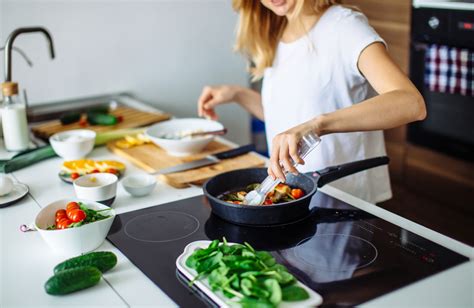
The journey to vibrant food photos begins at the market. Choose the freshest, blemish-free ingredients you can find. Prioritize seasonal produce, as it’s generally at its peak in both flavor and appearance. Once home, proper storage is paramount. Leafy greens like spinach or kale should be washed, dried thoroughly, and stored in an airtight container lined with a paper towel to absorb excess moisture, helping them stay crisp for days. Herbs can often be treated like flowers – stems in a small glass of water, covered loosely with a plastic bag, and refrigerated.
Timing Your Cuts & Prep Work
Resist the urge to prep all your ingredients hours in advance, especially items prone to browning or wilting. Apples, avocados, and potatoes oxidize quickly once cut. For these, prepare them as close to your shooting time as possible. A quick dip in acidulated water (water with a squeeze of lemon juice or a dash of vinegar) can also help prevent discoloration for a short period.
During the Shoot: Maintaining Peak Freshness
The Power of Hydration
Many ingredients start to lose their plumpness and sheen surprisingly quickly under studio lights or even natural daylight. A spray bottle filled with water is your best friend. Lightly misting vegetables, fruits, and even some herbs can revive their dewiness and make them glisten under the camera. For longer shoots, keep a bowl of ice water nearby to briefly dunk items like berries or leafy greens if they start to look tired.
Olive oil can also be a secret weapon. A tiny brush of oil can enhance the color and shine of roasted vegetables, meats, or even fresh bread, making them look richer and more appealing.

Clever Staging & Quick Swaps
Have backup ingredients ready. If you’re shooting a complex dish, some elements might start to look less appealing before others. Prepare extra garnishes or main components that can be quickly swapped in if an item loses its luster. For example, if you have a vibrant herb garnish, keep a fresh batch aside and replace it just before the final hero shot.
For dishes involving sauces or melting elements, consider applying these last. A fresh drizzle of sauce or a sprinkle of cheese that’s only just starting to melt will always look more dynamic than one that has sat for too long.
Post-Production & Beyond: The Final Polish
While the focus is on natural freshness, a little post-production can sometimes enhance what’s already there. Adjusting white balance can bring out true colors, and subtle contrast adjustments can make details pop. However, relying heavily on editing to fix dull ingredients is a common pitfall. The goal is to capture the beauty in-camera, not create it digitally.
Remember, the effort you put into maintaining ingredient vibrancy not only elevates your food photography but also reinforces good kitchen practices. Fresh ingredients taste better, look better, and ultimately tell a more compelling story through your lens.