How to keep roast vegetables crisp & vibrantly colored, not soggy?
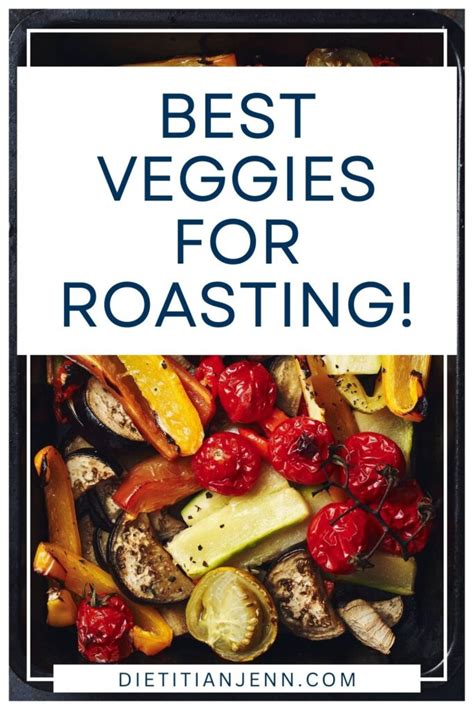
The Secret to Perfectly Roasted Vegetables
There’s nothing quite like a tray of perfectly roasted vegetables: tender on the inside, beautifully caramelized and crisp on the outside, and bursting with vibrant color. Yet, many home cooks struggle with vegetables that turn out soggy, mushy, or dull. The good news is that achieving that ideal texture and hue is entirely within reach with a few simple, often overlooked, techniques. Say goodbye to sad, limp veggies and hello to show-stopping sides!
Choose Wisely and Prepare Properly
1. Select the Right Vegetables
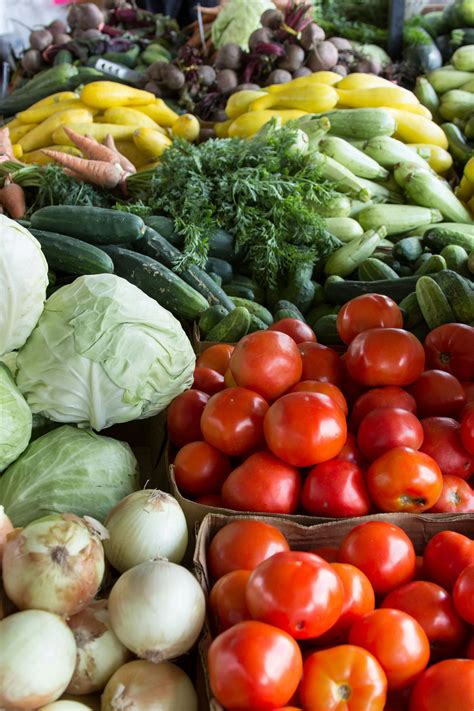
- Firm, Fresh Produce: Start with vegetables that are fresh, firm, and free from blemishes. Older vegetables tend to have higher water content, making them prone to sogginess.
- Low-Moisture Varieties: While most vegetables can be roasted, some are naturally better suited. Root vegetables (carrots, potatoes, parsnips) and cruciferous vegetables (broccoli, cauliflower, Brussels sprouts) generally hold up well. High-moisture vegetables like zucchini or mushrooms might need extra attention.
2. The Crucial Role of Drying
Moisture is the enemy of crispiness. Before adding oil and seasoning, ensure your vegetables are as dry as possible. After washing, vigorously pat them down with paper towels or use a salad spinner for leafy greens and broccoli florets. Any residual surface water will steam the vegetables rather than allow them to crisp and caramelize.
3. Uniform Cutting is Key
Cut your vegetables into pieces of roughly the same size and thickness. This ensures even cooking; smaller pieces won’t burn while larger ones remain undercooked. For vegetables like carrots or potatoes, aim for 1-inch chunks. For broccoli or cauliflower, florets should be similar in size.
Mastering Oil, Seasoning, and Temperature
4. Don’t Skimp on Oil (But Don’t Drown Them)
A good quality oil with a high smoke point is essential for crispiness and flavor. Olive oil, avocado oil, or grapeseed oil work wonderfully. Toss the vegetables with just enough oil to lightly coat every piece – usually 1-2 tablespoons per pound of vegetables. Too little oil can lead to dry, burnt spots, while too much will make them greasy.
5. Season Liberally
Salt and pepper are non-negotiable. Add them evenly after oiling. For an extra flavor boost, consider garlic powder, onion powder, paprika, or fresh herbs like rosemary and thyme (add delicate herbs like parsley or cilantro after roasting to preserve their color and flavor).
6. Crank Up the Heat!
High heat is paramount for roasting, creating that desirable Maillard reaction (browning and crisping). Preheat your oven to a minimum of 400°F (200°C), and often 425°F (220°C) or even 450°F (230°C) is ideal, depending on the vegetable. A hotter oven ensures the exterior browns quickly before the interior gets mushy.
Preventing Overcrowding and Ensuring Even Roasting
7. The Single Layer Rule
This is perhaps the most critical rule for crispy roasted vegetables. Never overcrowd your baking sheet. Vegetables piled on top of each other will steam rather than roast, leading to a soggy, bland result. Give each piece its space. If you have a lot of vegetables, use two baking sheets and rotate them halfway through cooking, or roast in batches.
8. Use the Right Pan
A heavy-duty, light-colored baking sheet (half-sheet pan) is best. Darker pans can sometimes lead to scorching, and flimsy pans might warp. Avoid glass dishes, which tend to conduct heat differently and can steam vegetables.
9. Flip and Rotate for Evenness
About halfway through the cooking time, give your vegetables a good stir or flip them with a spatula. This ensures all sides get exposed to the direct heat of the pan and the oven, promoting even browning and crispiness. Rotating your baking sheet front-to-back can also help with uneven oven hot spots.
Finishing Touches for Ultimate Perfection
10. Don’t Overcook
Keep an eye on your vegetables towards the end of the cooking time. They are done when they are tender when pierced with a fork, and beautifully golden-brown and crisp on the edges. Overcooking can lead to softness and loss of vibrant color.
11. Serve Immediately
Roasted vegetables are at their peak crispiness right out of the oven. As they cool, especially if covered, they can lose their crisp texture. If you must reheat them, a quick blast in a hot oven or air fryer is better than the microwave.

Troubleshooting Common Issues
- Vegetables still soggy: Likely too much moisture, overcrowded pan, or not a hot enough oven. Review drying and spacing techniques.
- Not browning: Oven not hot enough, pan overcrowded, or not enough oil. Ensure high heat and proper spacing.
- Dull color: Often a result of overcooking, low oven temperature (steaming rather than roasting), or insufficient direct heat.
By following these guidelines, you’ll consistently produce roasted vegetables that are not just tender and flavorful, but also wonderfully crisp and visually stunning. Enjoy the simple pleasure of perfectly roasted produce!