How to keep roasted vegetables vibrant for beautiful food photography?
The Art of Roasting for the Camera
Roasted vegetables are a staple in many cuisines, offering incredible flavor and texture. However, capturing their beauty in photographs can be a challenge. Often, the vibrant colors achieved during cooking can fade or become dull under camera lights. This guide will walk you through essential techniques to ensure your roasted vegetables not only taste exquisite but also look stunningly fresh and vibrant, ready for their close-up.
1. Selection and Preparation: Building the Foundation
Choose Wisely: Freshness and Color
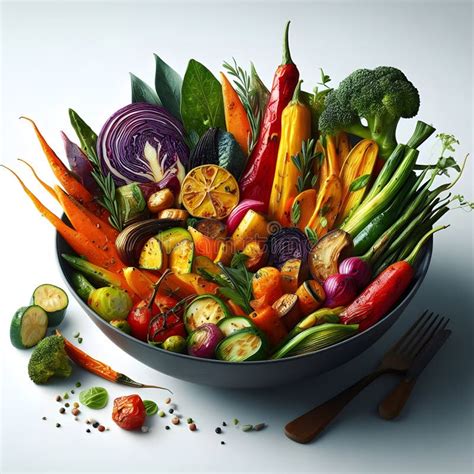
The journey to vibrant roasted vegetables begins before they even hit the cutting board. Select vegetables that are firm, unblemished, and boast their natural, intense colors. Older or wilted produce will struggle to achieve that coveted vibrant hue, regardless of your cooking prowess. Think bright red bell peppers, deep green broccoli florets, or rich purple eggplant.
The Crucial Dry: A Photographer’s Secret Weapon
Moisture is the enemy of a good roast and vibrant color. After washing your vegetables, dry them meticulously. Use a salad spinner or pat them thoroughly with paper towels. Excess water will steam the vegetables instead of roasting them, leading to a duller appearance and a less crisp texture. This step cannot be overstated for beautiful caramelization.
Uniform Cuts and Minimal Oil
Cut your vegetables into uniform sizes to ensure even cooking. This prevents some pieces from burning while others remain undercooked. When it comes to oil, less is often more. A light toss in a high-smoke-point oil (like avocado or grapeseed oil) is sufficient. Too much oil can make vegetables greasy and prevent proper browning, leading to a less appealing finish.
2. Mastering the Roast: Heat, Space, and Timing
High Heat, Not Too High
Preheat your oven to a sufficiently high temperature, typically between 400-425°F (200-220°C). This high heat is crucial for achieving that desirable Maillard reaction—the browning that develops rich flavors and beautiful, concentrated colors. However, monitor carefully; too high heat or too long a roast can lead to burning, which dulls colors and adds unwanted char.
The Golden Rule: Don’t Overcrowd the Pan
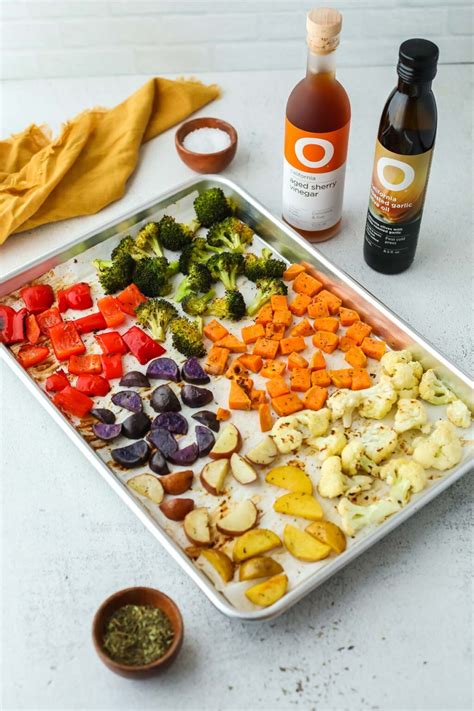
This is perhaps the most critical tip for vibrant roasting. Vegetables need space to roast, not steam. If you overcrowd the baking sheet, the moisture released by the vegetables has nowhere to escape, turning your roasting into steaming. Use multiple baking sheets if necessary, ensuring a single layer with ample space between each piece. Airflow is key to crisp, colorful results.
Timing is Everything: Al Dente is Your Friend
Roast until the vegetables are tender-crisp, or al dente. Overcooked vegetables become mushy and lose their structural integrity, which translates to a less appetizing appearance in photos. They also tend to lose their brightness. Keep an eye on them, checking for tenderness with a fork and for that perfect vibrant hue and slight caramelization.
3. Post-Roasting Enhancement for the Lens
A Quick Brightening Finish
Once out of the oven, a touch of freshness can instantly elevate the visual appeal. A squeeze of fresh lemon juice or a drizzle of high-quality extra virgin olive oil immediately after roasting can “wake up” the colors and add a beautiful sheen. Be sparing; you want to enhance, not drench.
Fresh Herbs and Strategic Plating
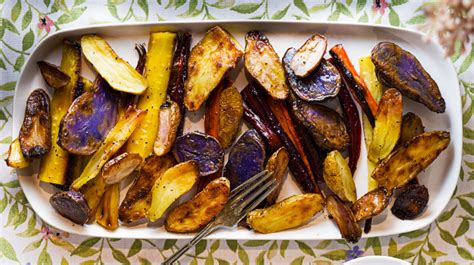
Garnishing with fresh, vibrant herbs like parsley, cilantro, dill, or chives adds a pop of contrasting color and texture. Scatter them thoughtfully. When plating for photography, arrange the vegetables artfully, highlighting their best angles and colors. Avoid a chaotic pile; focus on creating a visually appealing composition.
4. Photography Considerations: Light and Angle
Embrace Natural Light
Good lighting is paramount for food photography. Natural, diffused light from a window is often the most flattering for roasted vegetables, enhancing their true colors and textures. Avoid harsh direct sunlight or artificial overhead lighting, which can cast unflattering shadows and alter perceived colors.
Angles and Depth
Experiment with different camera angles. A slightly elevated shot can showcase the variety of vegetables and their vibrant hues, while a closer, straight-on shot can highlight texture and individual piece details. Use a shallow depth of field to keep your subject sharp and blur the background, making your colorful vegetables truly stand out.

Conclusion
Achieving truly vibrant roasted vegetables for stunning food photography is a combination of careful preparation, precise cooking techniques, and thoughtful presentation. By following these steps—from selecting the freshest produce to perfecting your roasting method and adding those final touches—you can ensure your vegetables not only taste incredible but also photograph beautifully, inspiring appetites and capturing eyes.