How to keep vibrant colors & freshness in plated meals for stunning visuals?

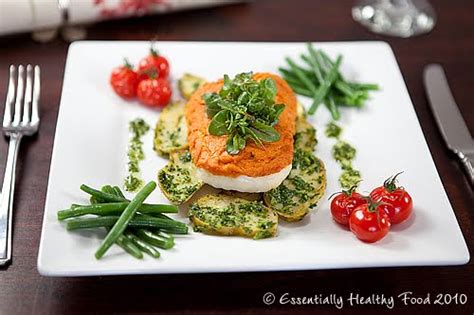
The visual appeal of a dish is just as important as its taste. A plate bursting with vibrant colors and appearing exquisitely fresh instantly captivates diners, signaling quality, care, and deliciousness. While culinary skills are paramount, preserving the aesthetic integrity of your ingredients often comes down to precise techniques applied throughout the cooking and plating process. Here’s how to ensure your plated meals always look as good as they taste.
The Foundation: Fresh Ingredients & Smart Prep
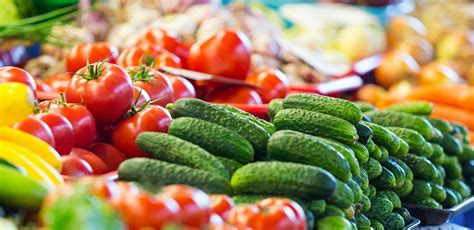
The journey to a visually stunning plate begins long before cooking. Always opt for the freshest, highest-quality ingredients available. Brightly colored, firm vegetables and fruits are inherently more appealing and retain their vibrancy longer. Once acquired, proper initial preparation is key. Wash produce thoroughly and cut it just before use to minimize exposure to air, which can cause oxidation and dullness.
For vegetables like carrots, bell peppers, or leafy greens, ensure they are properly stored to maintain crispness. A quick dip in ice water for leafy greens can revive them just before plating, making them look lively and fresh.
Mastering Cooking Techniques for Color Retention
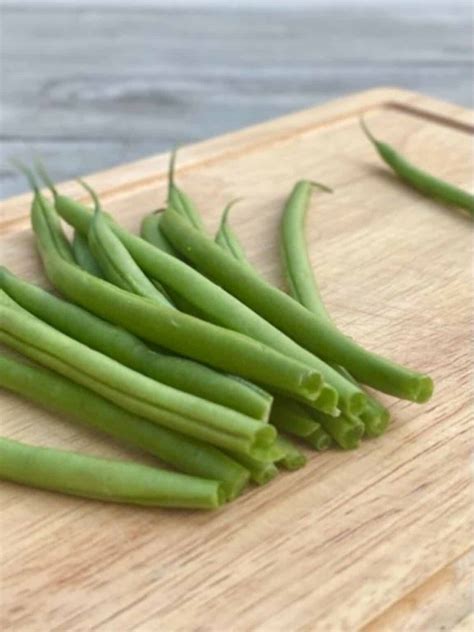
Overcooking is the arch-nemesis of vibrant colors and crisp textures. For most vegetables, methods that involve quick cooking at high heat, followed by rapid cooling, are ideal. Blanching and shocking is a classic technique: quickly boil vegetables like green beans, broccoli, or asparagus for a minute or two until bright green, then immediately plunge them into an ice bath to stop the cooking process. This locks in color, nutrients, and a pleasant crisp-tender texture.
Sautéing or stir-frying should be done quickly over high heat to achieve tenderness without losing crunch or vibrancy. Avoid overcrowding the pan, as this lowers the temperature and steams the vegetables, resulting in duller colors and softer textures. When roasting, aim for caramelization and crispness rather than dehydration.
Timing is Everything: Assembly & Plating
Precision timing plays a crucial role in maintaining freshness on the plate. Whenever possible, prepare components of your dish just before plating. Hot items should be allowed to cool slightly, but not completely, before being placed next to cold, crisp elements. This prevents wilting or sogginess. For delicate greens or herbs that serve as garnishes, add them at the very last moment.
Consider the temperature of your serving plates. Warm plates are suitable for hot main courses, but for dishes with delicate fresh components, a room-temperature or even slightly chilled plate can help preserve their vitality. Avoid assembling too far in advance, as even a few minutes can diminish the visual appeal of certain ingredients.

Strategic Garnishes & Finishes
Garnishes are not merely decorative; they are integral to the dish’s final presentation and can significantly boost perceived freshness. Fresh herbs like parsley, cilantro, dill, or chives, chopped finely or left as sprigs, add bursts of green and aromatic appeal. A sprinkle of citrus zest (lemon, lime, or orange) can brighten both flavor and color. Edible flowers offer an elegant touch of vibrant color.
When it comes to dressings and sauces, apply them judiciously. Heavy sauces can mask natural colors and weigh down delicate ingredients. Opt for lighter vinaigrettes, infused oils, or reductions that enhance rather than overpower. A drizzle of high-quality extra virgin olive oil or a brush of a clear glaze can add a subtle sheen, making ingredients appear even more inviting.

Combating Oxidation and Browning
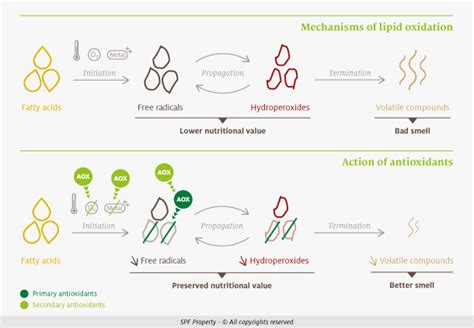
Many ingredients, particularly fruits and some vegetables, are prone to oxidation, which leads to browning and a dull appearance. To combat this, a squeeze of lemon juice, lime juice, or a light vinegar can be highly effective. This acidic barrier helps protect sliced apples, avocados, or artichokes from unsightly discoloration. For cut potatoes or other starches, keeping them submerged in cold water until ready to cook prevents them from turning grey.
Once plated, serve the meal promptly. Exposure to air, especially warm air, will gradually degrade the appearance of fresh elements. If a slight delay is unavoidable, cover the plated dish loosely with plastic wrap or a cloche to minimize air exposure, particularly for salads or dishes with delicate garnishes.
Achieving truly stunning plated meals is an art that combines culinary skill with an understanding of ingredient science. By focusing on fresh ingredients, employing smart cooking techniques, precise timing, strategic garnishes, and measures to prevent oxidation, you can consistently create dishes that are not only delicious but also visually spectacular. Every plate becomes an opportunity to impress, making the dining experience unforgettable.