How to keep vibrant colors in veggie-centric recipes post-cook?

Why Vibrant Colors Matter in Your Veggie Dishes
There’s nothing quite as appealing as a plate bursting with brightly colored vegetables. Beyond their aesthetic appeal, vibrant colors often signify a wealth of nutrients and freshness. However, retaining these brilliant hues after cooking can be a challenge. Overcooking, improper preparation, and storage can quickly turn a lively medley into a dull, unappetizing sight. This guide will walk you through proven techniques to ensure your veggie-centric creations remain as visually stunning as they are delicious.

Understanding the Science of Color Loss
To preserve color, it helps to understand why it fades. For green vegetables (like broccoli, spinach, and green beans), the pigment is chlorophyll. Heat breaks down chlorophyll, especially in acidic environments, leading to a dull olive-green or brownish hue. Red and purple vegetables (beets, red cabbage) contain anthocyanins, which are highly sensitive to pH levels – they can turn blueish in alkaline conditions or vibrant red in acidic ones. Orange and yellow vegetables (carrots, bell peppers, corn) contain carotenoids, which are generally more stable under heat but can still dull with excessive cooking.
Mastering the Blanch and Shock Technique
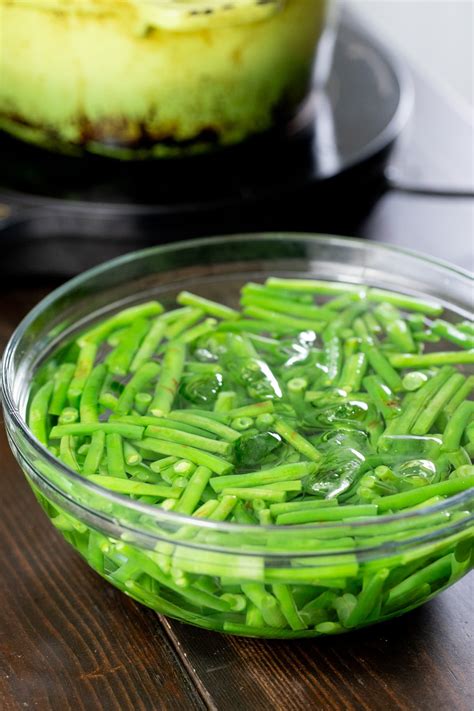
One of the most effective ways to preserve the vibrant green in vegetables is the blanch and shock method. This involves briefly cooking vegetables in rapidly boiling, salted water, then immediately plunging them into an ice bath. The brief cooking time brightens the color and partially cooks the vegetable, while the ice bath halts the cooking process, locking in the color and crisp texture. This method is perfect for green beans, broccoli florets, asparagus, and snap peas.
Strategic Cooking Methods and Timing
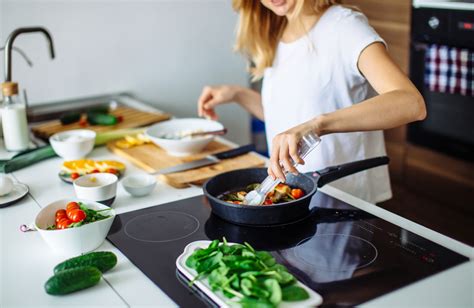
Your choice of cooking method and timing plays a crucial role. Quick cooking methods that minimize exposure to heat are ideal. Think stir-frying, sautéing, or steaming. When stir-frying, ensure your pan is hot and cook vegetables quickly in small batches to avoid overcrowding, which can lead to steaming rather than searing. For roasting, use a high temperature for a shorter duration, spreading vegetables in a single layer to encourage caramelization rather than steaming. Delicate greens, like spinach or kale, should be added at the very end of the cooking process, often simply wilting them with residual heat.
The Role of Acid and Proper Seasoning
Acidic ingredients can be a friend or foe, depending on the vegetable. A squeeze of lemon juice or a splash of vinegar added towards the end of cooking can help stabilize the vibrant red and purple hues in vegetables like red cabbage or beets. However, for green vegetables, acid introduced too early can contribute to chlorophyll breakdown, causing them to dull. Seasoning with salt at the beginning of cooking can also help draw out moisture, leading to a crisper texture and brighter appearance, especially in stir-fries.

Post-Cook Preservation and Storage
Once your vegetables are cooked, proper handling is key to maintaining their vibrancy. Rapidly cool any cooked vegetables you don’t plan to serve immediately. Spreading them out on a baking sheet allows them to cool quickly, preventing further cooking from residual heat. Store cooled vegetables in airtight containers in the refrigerator. When reheating, opt for gentle methods like a quick sauté or microwave burst, avoiding prolonged high heat that can continue to degrade color and texture.
Embrace the Beauty of Colorful Cooking
Keeping your vegetables vibrant after cooking is an art that combines a bit of science with smart cooking practices. By understanding how different pigments react to heat and implementing techniques like blanching, strategic cooking, and mindful storage, you can ensure your veggie-centric recipes always look as good as they taste. Your meals will not only be more appealing but will also retain more of their natural goodness.