How to keep vibrant green veggies bright and crisp for stunning visual plating?

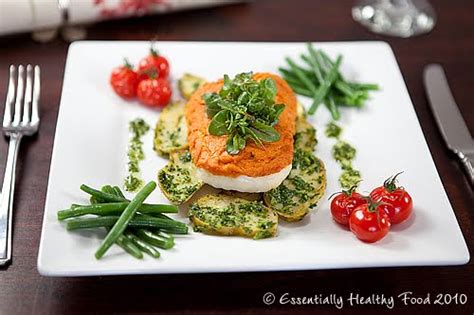
The visual appeal of a dish is just as important as its taste, and vibrant green vegetables play a crucial role in creating stunning presentations. Whether you’re a home cook aiming for Instagram-worthy meals or a professional chef striving for perfection, keeping your greens bright and crisp can transform a simple side into a showstopper. But how do you achieve that perfect balance of color and texture without overcooking or turning them dull?
The Science of Green: Why Color Fades and How to Prevent It
The beautiful green hue in vegetables comes from chlorophyll. When exposed to heat for too long or to acidic environments, chlorophyll breaks down, leading to an undesirable dull, olive-green color. The key to preserving that vibrant green is to cook them quickly and halt the cooking process effectively.

Mastering the Blanch and Shock Technique
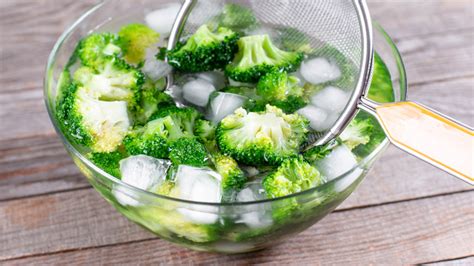
This is arguably the most effective method for locking in color and crispness. Blanching involves briefly cooking vegetables in boiling, salted water, followed immediately by plunging them into an ice bath (shocking).
Step-by-Step Blanching:
- Bring a large pot of heavily salted water to a rolling boil. The salt not only seasons the vegetables but also helps to maintain their color.
- Prepare an ice bath: Fill a large bowl with ice water.
- Add your green vegetables (e.g., green beans, broccoli florets, asparagus, snap peas) to the boiling water. Do not overcrowd the pot, as this will drop the water temperature and lead to uneven cooking.
- Cook for a very short period, typically 1-3 minutes, until the vegetables are tender-crisp and have intensified in color.
- Immediately transfer the blanched vegetables from the boiling water to the ice bath using a slotted spoon or spider. This rapid cooling stops the cooking process instantly, preventing overcooking and preserving their vibrant green.
- Once thoroughly chilled (about the same amount of time they were blanched), drain them well and pat dry before storing or using.
Smart Storage for Lasting Freshness
Proper storage is vital, both before and after cooking, to maintain the integrity of your green vegetables.
Pre-Cooked Storage:
- Keep them hydrated: Most green vegetables benefit from a slightly damp environment. Store them in a perforated bag or wrapped in a damp paper towel inside a sealed container in the crisper drawer of your refrigerator.
- Avoid ethylene producers: Keep greens away from fruits like apples, bananas, and tomatoes, which release ethylene gas that can accelerate spoilage.
Post-Cooked Storage (Blanched & Shocked):
Once blanched and shocked, properly dried green vegetables can be stored in an airtight container in the refrigerator for 2-3 days, ready to be quickly reheated or used in salads.

Quick Cooking Methods for Maximum Vibrancy
If you’re not blanching ahead, choose cooking methods that are fast and use high heat to minimize exposure to prolonged cooking.
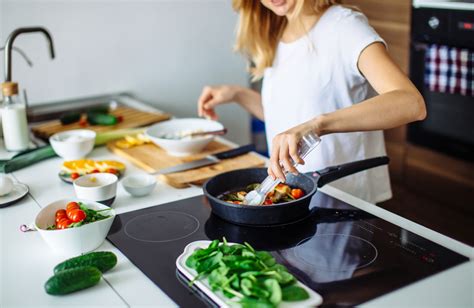
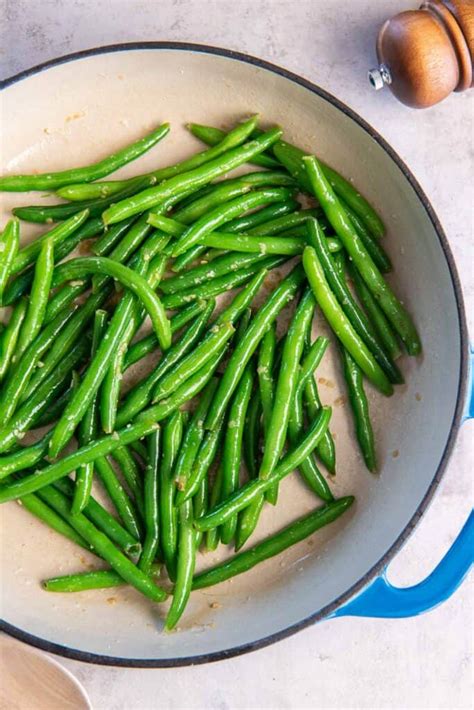
- Sautéing: A quick sauté in a hot pan with a little oil helps retain crunch and color.
- Steaming: Steaming for a short duration (2-5 minutes) is excellent for maintaining color and nutrients.
- Stir-frying: High heat and constant movement in a wok or large pan cook vegetables quickly while keeping them crisp.
Always cook greens right before serving if possible, for the ultimate freshness and visual appeal.
Common Pitfalls to Avoid
- Overcooking: The biggest enemy of vibrant green vegetables. Always aim for al dente.
- Acidic Additions Too Early: Adding lemon juice or vinegar early in the cooking process can dull the color. Add them at the very end.
- Overcrowding the Pan: This lowers the temperature, steaming the vegetables instead of searing them, leading to dullness. Cook in batches if necessary.
By implementing these techniques, you’ll consistently achieve beautifully bright and crisp green vegetables that not only taste fantastic but also make your dishes visually irresistible.