How to keep vibrant veggie colors bright in cooked recipes?
There’s nothing quite as appealing as a plate of food bursting with color. Beyond aesthetics, the vibrant hues of vegetables often signal freshness and a higher concentration of beneficial nutrients. Yet, many home cooks struggle to maintain these beautiful colors once the veggies hit the heat. Overcooked, dull-looking vegetables can make an otherwise delicious dish seem unappetizing. The good news is that with a few simple techniques and an understanding of vegetable chemistry, you can keep your cooked produce looking as lively as it was raw.
The Science Behind the Color Shift
Vegetable colors are primarily determined by pigments like chlorophyll (greens), carotenoids (yellows, oranges, some reds), and anthocyanins (reds, purples, blues). When exposed to heat, acid, or alkali, these pigments can undergo chemical changes that alter their appearance. For instance, chlorophyll, responsible for the vibrant green in spinach or broccoli, degrades with prolonged heat and acid, turning a drab olive-green. Understanding these basic principles is the first step to preserving their brightness.

Mastering Green Vegetables: Blanch and Shock
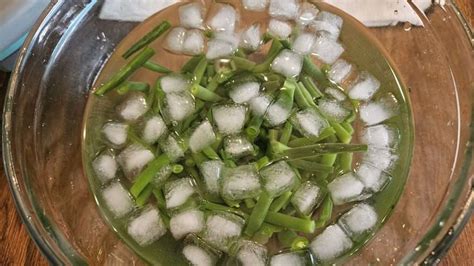
For vegetables like broccoli, green beans, asparagus, and spinach, the key is to cook them quickly and stop the cooking process immediately. The classic method is blanching and shocking. Briefly plunge your greens into boiling, salted water for just 1-3 minutes until they are crisp-tender and brightly colored. Immediately transfer them to an ice bath to halt the cooking and set the color. This technique locks in the chlorophyll and prevents overcooking.
When stir-frying or sautéing greens, use high heat for a short duration. Avoid adding acidic ingredients like vinegar or lemon juice until the very end of the cooking process, as acid can quickly dull the green pigments.
Bright Reds, Oranges, and Yellows: Carotenoids and Anthocyanins
Carotenoids (Carrots, Bell Peppers, Sweet Potatoes)
Vegetables rich in carotenoids are generally more stable when cooked. In fact, gentle cooking can even enhance their color and make their nutrients more bioavailable. To keep them bright, avoid excessively long cooking times that turn them mushy. Roasting or sautéing with a little healthy fat (like olive oil) can help enhance their vibrant hues and aid in nutrient absorption.
Anthocyanins (Red Cabbage, Beets, Berries)
These pigments are sensitive to pH changes. In acidic conditions (like adding vinegar or citrus), they tend to turn brighter red or purple. In alkaline conditions (like baking soda or hard water), they can shift to blue or even green. When cooking red cabbage, for example, a splash of apple cider vinegar can help maintain its beautiful purple hue. For beets, quick cooking methods or roasting can preserve their deep color.

General Tips for Maximum Vibrancy
Beyond specific pigment considerations, several general practices will help keep all your vegetables looking their best:
- Don’t Overcook: This is arguably the most critical rule. Overcooking breaks down cell walls and pigments, leading to dull colors and mushy textures. Aim for al dente.
- Cook in Batches: If you’re cooking a large quantity, don’t overcrowd your pan. This can lower the temperature and steam the vegetables instead of searing them, leading to less vibrant results.
- Use High Heat: For most cooking methods, high heat helps to cook vegetables quickly, minimizing the time they spend exposed to heat and preserving their color.
- Freshness Matters: Start with the freshest vegetables possible. Their colors will naturally be more intense and easier to maintain. Proper storage (e.g., in the crisper drawer) before cooking also helps.
- Minimize Water: Steaming or stir-frying uses less water than boiling, reducing the leaching of water-soluble pigments and nutrients.
Bringing Your Dishes to Life
Preserving the vibrant colors of your vegetables isn’t just about making your meals look good; it’s often a sign that you’re retaining their peak nutritional value and ideal texture. By understanding the simple chemistry behind vegetable pigments and employing techniques like blanching, quick cooking, and mindful seasoning, you can transform your everyday dishes into visually stunning and delicious culinary experiences. So next time you’re in the kitchen, remember these tips and let your vegetables shine!