How to keep vibrant veggie colors & fresh textures in recipes?

The Art of Preserving Vegetable Vibrancy and Texture
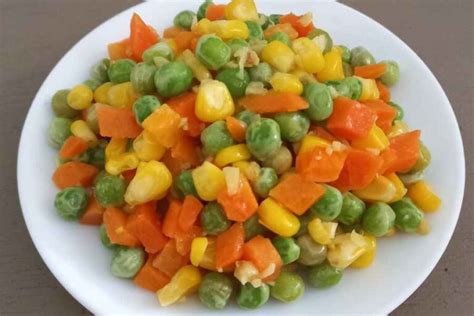
There’s nothing quite as appealing in a dish as brightly colored, perfectly textured vegetables. They not only make a meal visually enticing but also contribute essential nutrients and satisfying crunch. However, maintaining that garden-fresh appeal can be a challenge in the kitchen. Overcooking, improper preparation, and even the wrong storage can turn vibrant greens to drab olives and crisp carrots to mush. Fortunately, with a few key techniques, you can ensure your veggies always look and taste their best.
![🔥 [63+] Colorful Flowers Backgrounds | WallpaperSafari](/images/aHR0cHM6Ly90czIubW0uYmluZy5uZXQvdGg/aWQ9T0lQLjFnZWZfdlFDalNONk1vMGxTX09ZakFIYUVvJnBpZD0xNS4x.webp)
Starting with the Best: Selection and Preparation
The journey to vibrant vegetables begins long before they hit the pan. Start by selecting the freshest produce available. Look for firm, unblemished vegetables with rich, natural colors. Once home, proper storage is crucial: leafy greens should be washed, dried, and stored in an airtight container with a paper towel, while root vegetables prefer a cool, dark place. When it’s time to cook, wash your vegetables thoroughly under cold water. Cut them into uniform sizes to ensure even cooking – this is a simple yet powerful trick to prevent some pieces from turning to mush while others are still raw.
Mastering Cooking Techniques for Maximum Impact
The cooking method you choose significantly impacts the final color and texture of your vegetables. The goal is always to cook them just enough to be tender-crisp, preserving their natural pigments and structural integrity. Overcooking is the arch-nemesis of vibrant veggies.
Blanching and Shocking: The Ultimate Color Setter
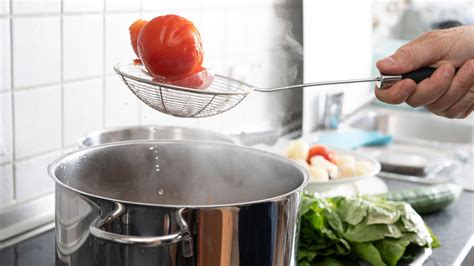
For many vegetables, especially green ones like broccoli, green beans, and asparagus, blanching is a game-changer. This technique involves quickly immersing vegetables in boiling, salted water for a very short period (30 seconds to 2 minutes, depending on the vegetable), then immediately plunging them into an ice bath. The brief exposure to high heat brightens colors and stops enzymatic actions that lead to dullness, while the ice bath halts the cooking process, locking in crispness and color.
Steaming and Sautéing: Quick and Gentle Methods
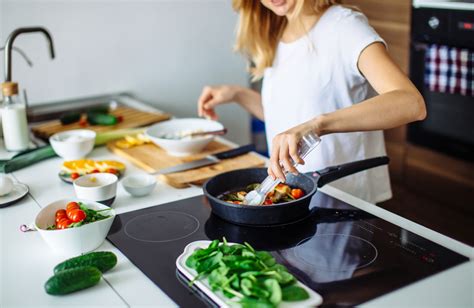
Steaming is another excellent method for preserving color and nutrients. It cooks vegetables gently with moist heat, preventing them from browning or losing their vibrant hues. Sautéing, when done quickly over medium-high heat with minimal oil, also works wonders. Ensure the pan is hot and don’t overcrowd it; this allows the vegetables to sear slightly and cook quickly without steaming and becoming limp.
Timing is Everything: Preventing Overcooking
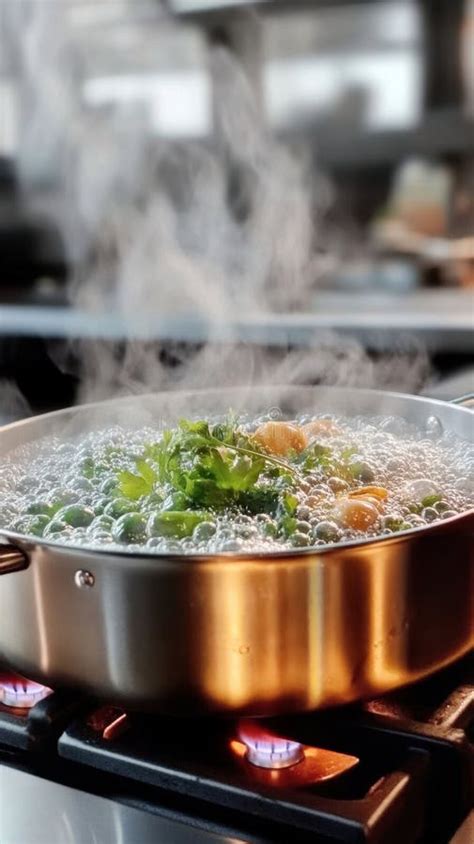
One of the biggest culprits behind dull, mushy vegetables is overcooking. Always keep a close eye on your vegetables as they cook. Test for doneness frequently; they should be tender but still have a slight bite – often referred to as ‘al dente’. Remove them from the heat as soon as they reach this stage. If you’re adding vegetables to a stew or soup, incorporate them closer to the end of the cooking process so they don’t simmer for too long.
Enhancing and Finishing Touches
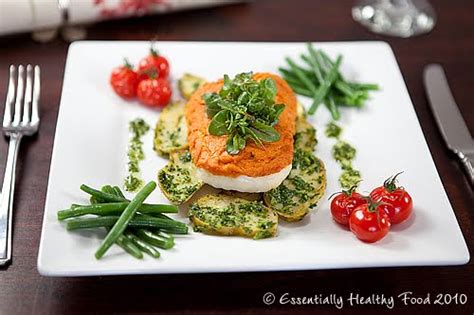
A splash of acid, like lemon juice or vinegar, added at the very end of cooking can further brighten vegetable colors and add a fresh pop of flavor. A sprinkle of fresh herbs or a light drizzle of high-quality olive oil can also elevate the texture and appearance just before serving. By paying attention to these details, you can transform ordinary vegetables into extraordinary components of any dish, ensuring they contribute both nutritional value and visual appeal.