How to maintain vibrant veggie color in recipes for eye-catching food visuals?
In the culinary world, we often eat with our eyes first. While flavor and aroma are paramount, the visual appeal of a dish can significantly enhance the dining experience. Vibrant, colorful vegetables don’t just signal freshness and nutritional value; they transform a simple meal into an artistic creation. But how do you prevent those beautiful greens from turning drab, or reds from fading into dullness during cooking? It’s a common challenge, but with the right techniques, you can ensure your vegetables retain their stunning hues, making your recipes truly eye-catching.
Understanding Veggie Color Science
To preserve color, it helps to understand what causes it. Different pigments are responsible for the various colors in vegetables:
- Chlorophyll (Greens): Found in leafy greens, broccoli, and peas. Highly sensitive to heat and acid, which can turn them olive green or brown.
- Carotenoids (Reds, Oranges, Yellows): Present in carrots, bell peppers, tomatoes, and sweet potatoes. These are fat-soluble and more stable under heat, though overcooking can still dull them.
- Anthocyanins (Purples, Reds, Blues): Found in red cabbage, blueberries, and eggplant. These are highly sensitive to pH levels; acid brightens them, while alkaline conditions can turn them blue or grey.
- Flavonoids (Whites, Yellows): Present in onions, cauliflower, and potatoes. Can turn yellowish-brown if overcooked or exposed to iron.

Pre-Cooking Preparation for Brightness
The journey to vibrant vegetables begins even before they hit the heat:
- Choose Freshness: Start with the freshest, most vibrant produce available. Older vegetables naturally have less intense color.
- Proper Washing: Rinse vegetables thoroughly but gently. Avoid soaking for too long, especially leafy greens, as it can cause nutrient and color loss.
- Uniform Cutting: Cut vegetables into similar-sized pieces to ensure even cooking. Uneven pieces mean some will be overcooked and dull, while others are perfectly done.
Mastering Cooking Techniques for Color Retention
The way you cook vegetables is the most critical factor in preserving their color:
Blanching and Shocking
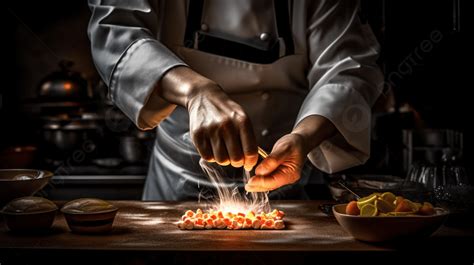
This is the gold standard for green vegetables. Briefly immerse vegetables in boiling, salted water, then immediately transfer them to an ice bath. The rapid heating denatures enzymes that cause browning, while the ice bath stops the cooking process instantly, locking in vibrant green color and crisp texture.
Steaming
Steaming is a gentle method that exposes vegetables to moist heat without direct contact with water. This minimizes nutrient loss and helps maintain color, especially for delicate vegetables. Cook until just tender-crisp.
Stir-Frying
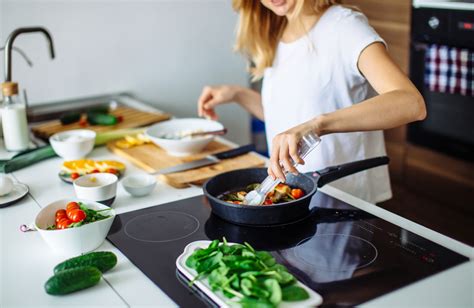
High heat and quick cooking are ideal for many vegetables. A hot wok or pan ensures vegetables cook quickly, retaining their crunch and color. Don’t overcrowd the pan, as this lowers the temperature and can lead to steaming rather than frying, resulting in duller vegetables.
Roasting
Roasting at high temperatures can caramelize natural sugars, intensifying flavors and often colors (especially for root vegetables). Ensure vegetables are spread in a single layer to roast rather than steam. Avoid over-roasting, which can lead to browning and dullness.
Minimizing Cook Time
The single biggest enemy of vibrant vegetable color is overcooking. Cook vegetables until they are just tender-crisp (al dente). This not only preserves color but also texture and nutrients.
The Role of Acidity and Alkalinity
- Acids (e.g., lemon juice, vinegar): Adding acid early in the cooking process can dull green vegetables (chlorophyll). For greens, add acids like lemon juice only at the very end or just before serving. However, acids can brighten anthocyanins (purple/red veggies like red cabbage).
- Alkaline (e.g., baking soda): While a pinch of baking soda can initially enhance green color, it also breaks down cell walls quickly, leading to mushy texture and nutrient loss, and can eventually turn greens a murky brown. It’s generally best to avoid it for color retention.

Cooling and Serving Considerations
Once vegetables are cooked, consider how you cool and serve them:
- Rapid Cooling: If you’re not serving immediately, cool vegetables quickly to stop residual cooking. This is where the ice bath comes in handy even if not blanching.
- Immediate Serving: For best results, serve vegetables as soon as they are cooked. The longer they sit, especially uncovered, the more likely their color will fade.
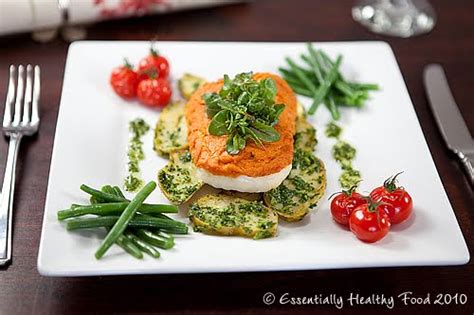
- Garnishing: A sprinkle of fresh herbs or a drizzle of brightly colored sauce can further enhance the visual appeal of your dish.
Final Tips for Eye-Catching Veggie Dishes
Achieving truly eye-catching food visuals with vibrant vegetables comes down to a combination of mindful preparation, precise cooking, and an understanding of the science behind their colors. By choosing fresh produce, employing quick-cooking methods like blanching or stir-frying, and being aware of how acids and cooking times impact different pigments, you can consistently deliver dishes that are as stunning to look at as they are delicious to eat. Experiment with these techniques, and your recipes will surely pop with color and appeal!