How to make a food visual bite stop the scroll for foodies?
Understanding the Foodie Palate and Eye
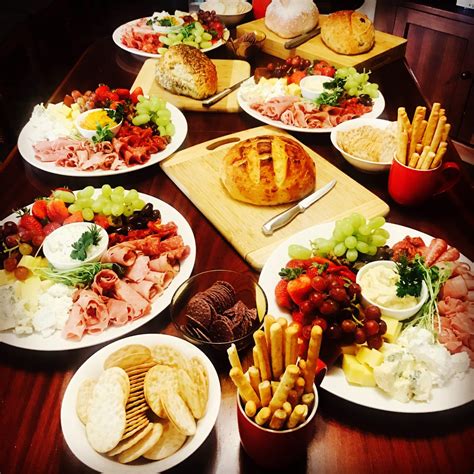
In the bustling digital landscape of culinary delights, foodies are constantly scrolling through an endless buffet of visual content. To truly stand out, your food visuals need to be more than just pretty; they need to be irresistible, evocative, and tell a story that resonates deep within a foodie’s soul. It’s about capturing not just the dish, but the experience, the aroma, the texture, and the anticipation of that first bite.
Foodies are discerning. They crave authenticity, detail, and a sense of connection to the food’s origin or preparation. A truly scroll-stopping visual doesn’t just show them what’s for dinner; it makes them salivate, sparks their curiosity, and compels them to learn more, share, or even try to recreate it.
The Pillars of Scroll-Stopping Food Photography
Mastering Composition and Framing
Composition is the backbone of any captivating photograph. For food, it’s about arranging elements within your frame to create visual harmony and draw the viewer’s eye to the star of the show. Utilize the rule of thirds, leading lines, and negative space to create a balanced yet dynamic image. Consider different angles – a flat lay can highlight ingredients and plating, while a close-up eye-level shot can emphasize texture and depth.
Illumination: The Art of Lighting
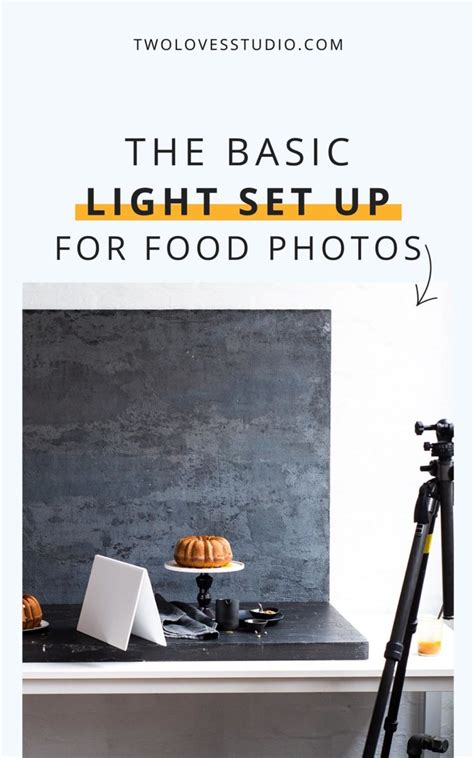
Lighting is arguably the most critical element. Natural light is almost always your best friend. Position your dish near a window, using a reflector (a white board or foil) to bounce light back into shadowy areas, or a diffuser (a sheer curtain) to soften harsh light. Avoid direct flash at all costs, as it flattens the image and creates unflattering reflections. Experiment with side lighting or backlighting to create dramatic shadows and highlight textures, giving your food an appetizing glow.
Color, Texture, and Sensory Appeal
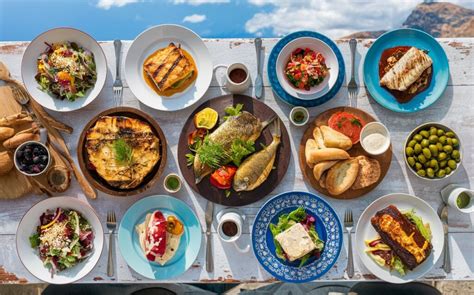
Food is inherently sensory, and your visuals should reflect that. Think about vibrant, contrasting colors – the rich red of a tomato against the fresh green of basil. Show off textures: the crispiness of fried chicken, the gooeyness of melted cheese, the flakiness of a pastry. These details are what truly communicate the sensory experience of eating, making the visual ‘taste’ almost as good as the real thing.
Telling a Story: Beyond the Plate
A scroll-stopper tells a story. Is it a rustic farm-to-table narrative? A cozy home-cooked meal? A gourmet culinary adventure? Incorporate subtle elements that hint at the story – a hand reaching for a piece, a scattering of ingredients, or a blurred background that suggests a setting. This emotional connection transforms a simple food photo into an engaging piece of content.
Details That Delight: Close-Ups and Action Shots
Foodies appreciate the nuances. Don’t shy away from extreme close-ups that highlight intricate details like the caramelization on a roasted vegetable or the delicate crumbs of a cake. Action shots – a drizzle of sauce, a sprinkle of herbs, steam rising from a hot dish – add dynamism and an immediate sense of freshness and appeal. These moments capture the ‘before’ the bite, building anticipation.
Props and Background: Enhancing, Not Distracting
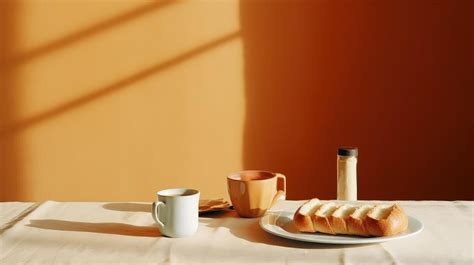
Props should support, not overwhelm, your main subject. Choose simple, relevant items like rustic cutlery, a complementary napkin, or fresh ingredients that were used in the dish. The background should be clean and uncluttered, allowing your food to shine. A neutral-colored cutting board, a simple textured fabric, or a subtly blurred natural setting can work wonders.
Beyond the Shot: Editing for Impact
Even the best raw photo can benefit from thoughtful post-processing. Adjust brightness, contrast, and white balance to make colors pop and ensure the food looks true to life. A touch of sharpening can enhance details, and minor cropping can refine your composition. The goal is to enhance the natural beauty of the food, not to create an artificial representation.
Conclusion: Your Plate, Your Canvas
Creating scroll-stopping food visuals is both an art and a science. It requires an understanding of your audience, a keen eye for aesthetics, and a willingness to experiment. By focusing on compelling composition, mastering natural light, emphasizing sensory details, and telling an engaging story, you can transform your food photos into irresistible visual bites that capture the hearts and stomachs of foodies everywhere. Practice, observe what works for others, and most importantly, let your passion for food shine through every pixel.