How to make a ‘Visual Bite’ food photo instantly crave-worthy for ‘Real Foodies’?
Capturing Culinary Desire: Beyond Just a Pretty Picture
In the vibrant world of culinary content, a ‘Visual Bite’ isn’t just a photo; it’s an invitation, a tantalizing whisper that promises deliciousness. For ‘Real Foodies’ – those discerning palates who appreciate authenticity and depth – a truly crave-worthy image goes far beyond mere aesthetics. It’s about evoking sensory experiences, telling a story, and making them feel like they can almost taste the dish through the screen. This guide will unlock the secrets to transforming your food photos into irresistible visual feasts.
Understanding the ‘Real Foodie’ Aesthetic
Real Foodies seek genuine experiences. They aren’t swayed by overly processed or artificially perfect images. They crave authenticity, natural beauty, and a sense of connection to the food’s origins and preparation. Think less studio perfection, more rustic charm; less glossy magazine ad, more intimate kitchen moment. Your goal is to showcase the true character of the dish, celebrating its textures, colors, and inherent deliciousness without artifice.
Mastering Light: The Appetite Inducer
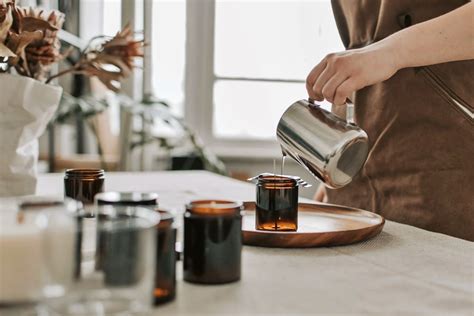
Light is perhaps the single most critical ingredient in food photography. Natural light, specifically soft, diffused light, is your best friend. Position your dish near a window, using sheer curtains or a diffuser to soften harsh sunlight. Avoid direct flash at all costs, as it flattens textures and creates unflattering reflections. Think about how light highlights steam, creates enticing shadows, and brings out the vibrant colors of your ingredients. A gentle backlight can make liquids glow, while sidelight accentuates texture.
The interplay of light and shadow adds depth and drama, making the food feel more tangible and inviting. Shadows can create mystery and highlight focal points, drawing the viewer’s eye exactly where you want it. Experiment with different angles of natural light to see how it transforms the dish’s appeal.
Plating with Purpose: Story on a Plate
Before you even pick up your camera, the plating sets the stage. For Real Foodies, plating isn’t just about neatness; it’s about composition and conveying the dish’s essence. Consider the textures: a crispy topping, a creamy sauce, tender meat. Arrange elements to create visual interest and balance. Don’t be afraid of a little controlled mess – a drip of sauce, a few scattered herbs, or a perfectly crumbled topping can add to the authenticity and appeal.
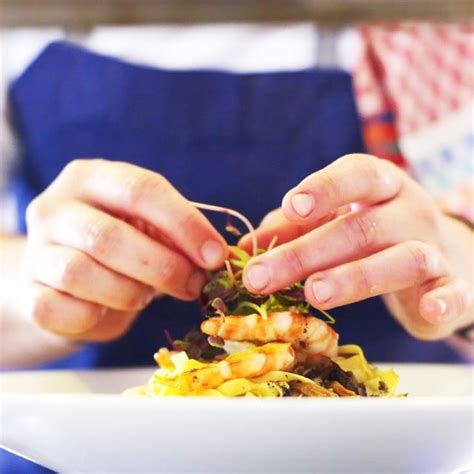
Think about the negative space around the food; sometimes less is more. Let the ingredients speak for themselves. Emphasize fresh, high-quality components and show them off. A slightly imperfect, homemade look often resonates more than something that appears untouchable.
Props & Backgrounds: Subtle Storytellers
Props should enhance, not distract. Choose simple, rustic, or relevant items that complement the dish’s narrative. A linen napkin, vintage cutlery, a wooden cutting board, or ingredients used in the dish itself can add context and warmth. The background should be clean and uncluttered, allowing the food to remain the star. Textured surfaces like wood, concrete, or stone can provide a beautiful, non-distracting backdrop.
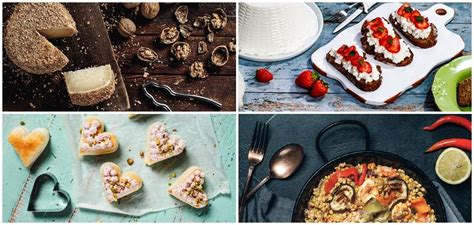
Remember the rule of ‘less is more’ – every prop should serve a purpose in telling the food’s story. If it doesn’t add to the appeal or context, remove it. A cluttered scene overwhelms the senses and detracts from the crave-worthiness of the main subject.
Capture the Moment: Action & Texture
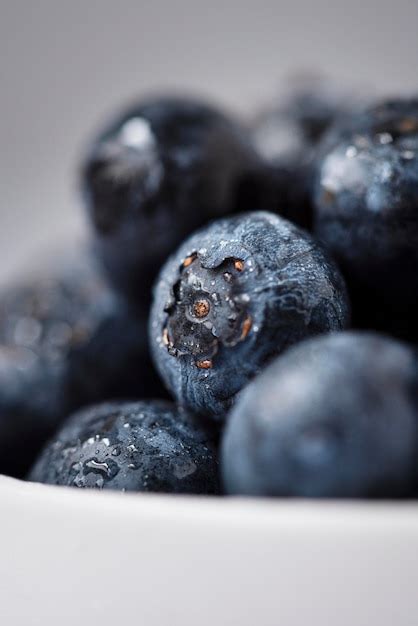
The most crave-worthy photos often capture a fleeting moment or highlight a key texture. Think about steam rising from a hot dish, a fork cutting into a flaky pastry, cheese stretching, or a sauce being drizzled. These elements add dynamism and engage the viewer’s imagination, making the food feel alive and immediate. Get in close to show off those intricate details – the char on grilled vegetables, the glisten of a perfectly roasted chicken, the individual grains of rice.
Don’t just photograph the finished product; sometimes, showing a hand reaching for a piece, or a knife cutting through, adds a human element and makes the food feel more accessible and real. These are the details that truly make a ‘Visual Bite’ sing.
Authenticity Above All: Showcasing Realness
In an age of filters and heavy editing, Real Foodies appreciate authenticity. While some light editing for exposure and color correction is fine, avoid over-saturation or overly stylized effects that make the food look artificial. Let the natural colors and textures shine. Embrace the imperfections that make homemade food charming. A slight crumble, an organic shape, or a perfectly toasted edge speaks volumes about a dish’s genuine character.
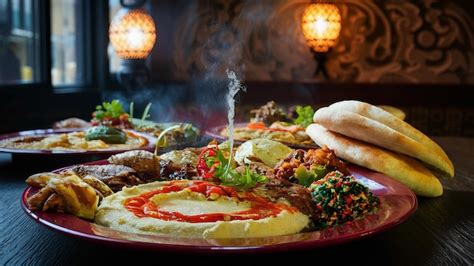
Your ‘Visual Bite’ should be a truthful representation, sparking genuine desire rather than presenting an unattainable ideal. When you celebrate the true nature of food, you create images that resonate deeply and instantly trigger that coveted craving.
By focusing on natural light, intentional plating, subtle storytelling props, dynamic moments, and above all, authenticity, you can transform your food photos into powerful ‘Visual Bites’ that not only capture the eye but truly tantalize the taste buds of every ‘Real Foodie’ out there. So grab your camera, find that perfect light, and start making mouths water!