How to make any recipe visually stunning for your foodie feed?
Elevate Your Culinary Creations: The Art of Food Presentation
In the vibrant world of foodie feeds, a delicious recipe is only half the story. The visual appeal of your dish can be just as important as its taste, drawing in followers and inspiring others to try your creations. Turning an ordinary meal into a captivating culinary photograph doesn’t require professional equipment; it requires an understanding of a few key principles. Let’s explore how you can make any recipe visually stunning and stand out on your social media.
The Power of Light: Your First Ingredient
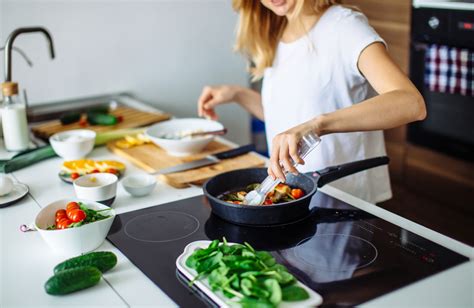
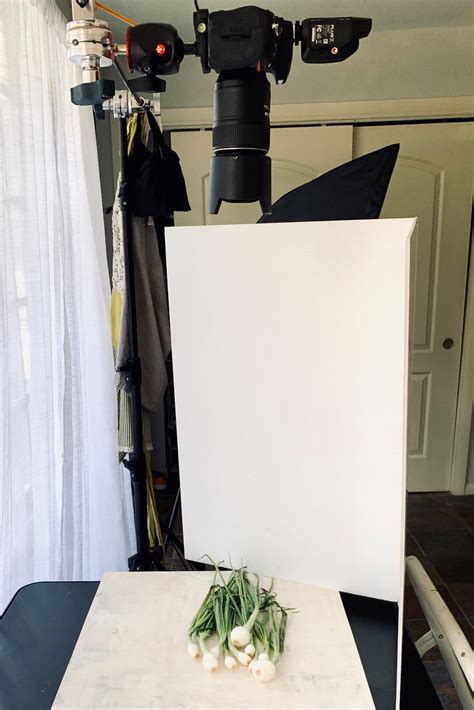
Great food photography begins with great light. Natural light is your best friend, offering a soft, diffused glow that enhances textures and colors without harsh shadows. Position your dish near a window, but avoid direct sunlight, which can create overly bright spots and deep shadows. If natural light isn’t available, invest in a simple softbox or ring light, ensuring it mimics the gentle quality of daylight.
Mastering the Art of Plating
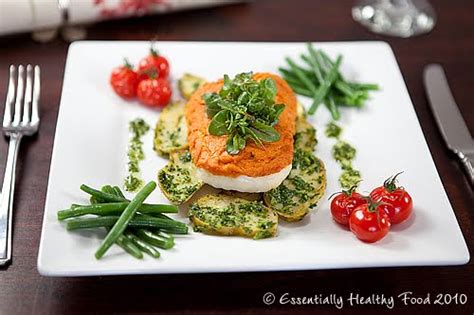
Plating is where your dish truly becomes a work of art. Think about composition, color, and contrast. Use a clean, simple plate that won’t distract from the food. Arrange ingredients intentionally, aiming for balance and visual interest. Consider the ‘rule of thirds’ or creating a focal point. Use garnishes—a sprinkle of fresh herbs, a drizzle of sauce, or a dusting of powdered sugar—to add color, texture, and a touch of elegance, but don’t overdo it. Less is often more.
Props and Backgrounds: Setting the Scene
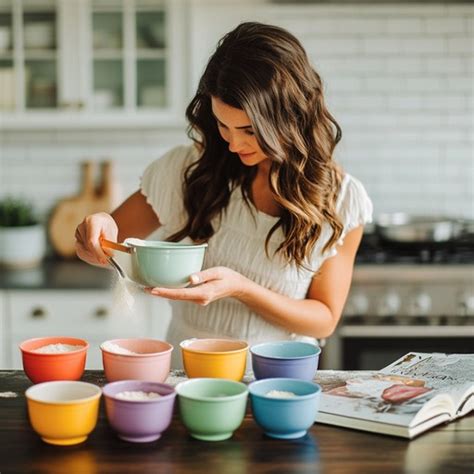
Your background and props should complement, not compete with, your food. Simple, neutral backgrounds (think wooden boards, linen tablecloths, or plain surfaces) work best. When choosing props like cutlery, napkins, or small bowls, select items that align with the dish’s aesthetic and tell a subtle story. Avoid anything too busy or reflective. The goal is to create an inviting scene that enhances the food’s appeal.

Angles and Composition: Finding the Best Perspective
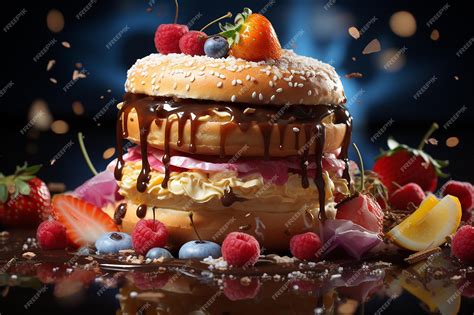
Experiment with different camera angles to find the most flattering view for your dish. An overhead or ‘flat lay’ shot often works wonderfully for dishes with beautiful toppings or an intricate arrangement, like salads or pizzas. For dishes with height, such as stacked burgers or layered cakes, an eye-level shot can highlight their dimension. Don’t be afraid to get close to capture enticing details like a crispy crust or a gooey center. Pay attention to leading lines and negative space to guide the viewer’s eye.

Post-Production: The Final Polish
Even the best raw photos can benefit from a little post-production magic. Basic editing tools found on your phone or computer can significantly enhance your image. Adjust exposure and contrast to make colors pop and shadows less harsh. Crop your image to improve composition and remove distractions. A slight boost in saturation can make ingredients look fresher, but be careful not to over-process and make the food look unnatural. Consistency in your editing style will also help create a cohesive and recognizable foodie feed.
Practice Makes Perfect
Creating visually stunning food photos is a skill that develops with practice. Don’t be discouraged if your first attempts aren’t perfect. Keep experimenting with different recipes, lighting conditions, plating techniques, and angles. Observe what other food bloggers and photographers are doing, learn from their styles, and most importantly, find your own unique visual voice. With these tips, you’ll be well on your way to transforming your delicious recipes into irresistible visual feasts for your foodie feed.