How to make healthy dishes visually stunning for your foodie feed?

The Art of Visual Appeal: Making Healthy Food Shine
In today’s visually-driven world, a dish isn’t truly appreciated until it’s been photographed and shared. For healthy food, which sometimes carries an undeserved reputation for being bland or unexciting, visual appeal is paramount. Learning to make your nutritious creations look as good as they taste can inspire your followers, making healthy eating more desirable and engaging. This guide will walk you through the essential techniques to turn your wholesome meals into Instagram-worthy masterpieces.
Embrace a Spectrum of Color
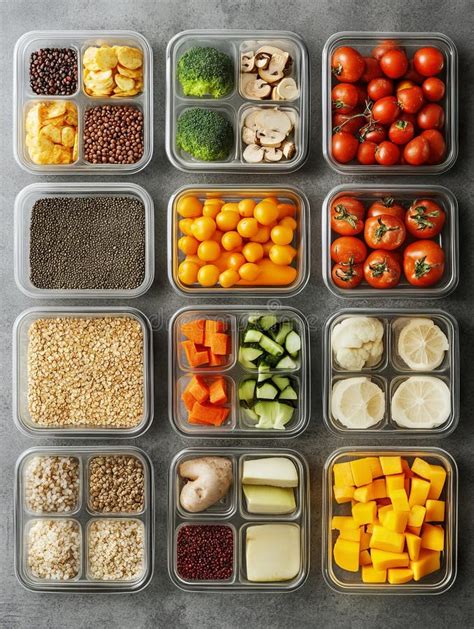
Healthy eating naturally lends itself to vibrant colors. Think about the rich reds of berries, the deep greens of spinach, the bright oranges of sweet potatoes, and the sunny yellows of bell peppers. Use these natural hues to your advantage. Aim for a variety of colors on your plate to create visual interest and signify a diverse nutritional profile. Complementary colors (like green and red) or contrasting brights against a neutral base (such as colorful salsa on plain chicken breast) can make a dish pop.

Highlight Freshness and Texture
No amount of editing can replicate the look of truly fresh ingredients. Start with crisp vegetables, firm fruits, and vibrant herbs. Pay attention to texture; different textures add depth and interest. Showcase the crunch of toasted nuts, the smoothness of avocado, the crispness of roasted broccoli florets, or the tender flakiness of baked salmon. Textural contrast makes a dish more engaging to the eye and implies a more satisfying eating experience.
Master the Art of Plating
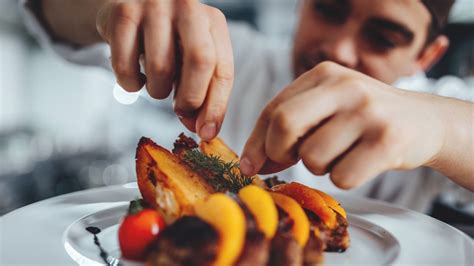
Plating is where culinary art meets visual design. It’s about how you arrange the food on the plate.
- Use Negative Space: Don’t overcrowd your plate. Leave some empty space around your food to draw attention to the main elements.
- Build Height: Instead of spreading everything flat, think vertically. Stack elements (like roasted vegetables or grain layers in a bowl) to add dimension and make the dish more dynamic.
- Rule of Thirds: Imagine your plate divided into a tic-tac-toe grid. Place key elements at the intersections of these lines for a balanced and professional look.
Harness the Power of Natural Light
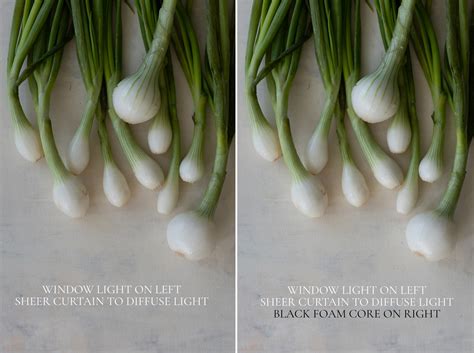
Good lighting is perhaps the single most important factor in food photography. Soft, diffused natural light is your best friend. Set up your dish near a window, but avoid direct sunlight, which can create harsh shadows and blown-out highlights. If the light is too strong, use a sheer curtain to diffuse it. Avoid using your camera’s flash or harsh overhead kitchen lights, as these often result in unflattering yellow tones and flat images.
Thoughtful Garnishes and Props
A simple garnish can elevate a dish from ordinary to extraordinary. A sprinkle of fresh herbs (parsley, cilantro, mint), a zest of lemon or lime, a drizzle of high-quality olive oil, or a sprinkle of seeds can add that final touch of freshness and visual appeal. When choosing props, less is often more. Select simple, complementary items like a rustic wooden board, a clean linen napkin, minimalist cutlery, or a subtly patterned bowl. Ensure props enhance, rather than distract from, the food.
Angles and Composition Matter
Experiment with different camera angles to find what best showcases your dish:
- Overhead Shot (Flat Lay): Ideal for bowls, salads, and dishes with many small, interesting components visible from above.
- Eye-Level Shot: Great for dishes with height, such as layered cakes, burgers, or stacks.
- 45-Degree Angle: A versatile classic that shows both the top and side of the dish, giving a sense of depth and volume.
Consider the background. A clean, uncluttered background allows your food to be the star. Keep an eye on negative space and how elements are framed within your shot.

Subtle Editing for Enhancement
While great photography starts with excellent ingredients and presentation, a touch of post-processing can enhance your images. Use mobile editing apps like Lightroom Mobile or Snapseed to subtly adjust brightness, contrast, saturation, and sharpness. The goal is to make your food look even more appetizing and true to life, not artificial or overly filtered. A slight tweak to white balance can also correct any unwanted color casts.
Conclusion
Turning your healthy dishes into visually stunning content for your foodie feed is a rewarding endeavor. It’s a blend of culinary creativity and basic photography principles. By focusing on fresh, colorful ingredients, mastering thoughtful plating, utilizing natural light, and paying attention to garnishes and composition, you can create images that not only entice the eye but also inspire others to embrace a healthier and more beautiful way of eating.