How to make healthy veggie dishes visually appealing & drool-worthy for my feed?
In today’s visually driven world, sharing your culinary creations on social media is almost as satisfying as eating them. But how do you make a healthy bowl of roasted vegetables or a vibrant salad look as enticing as a decadent dessert? The secret lies in understanding the art of food styling and photography. Transforming humble veggies into viral-worthy content is not just about taste; it’s about presentation, color, texture, and capturing that perfect shot. Let’s dive into practical strategies to elevate your healthy veggie dishes from merely nutritious to undeniably drool-worthy.
Embrace the Power of Color and Contrast
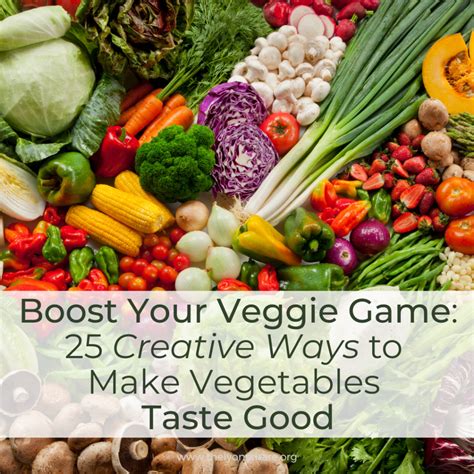
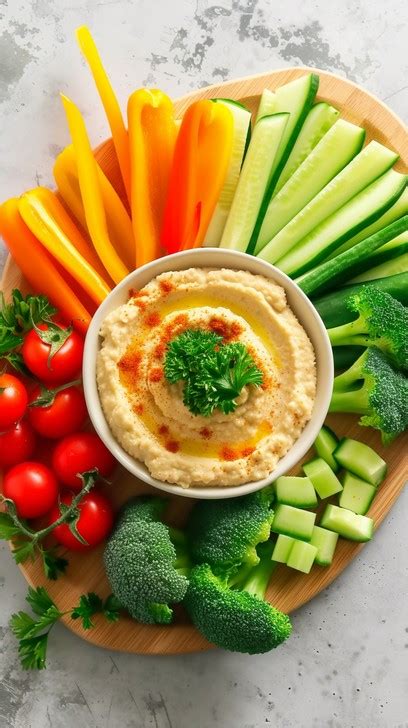
Vegetables are nature’s palette, offering an incredible spectrum of colors. Don’t be afraid to mix and match! A dish featuring deep greens (spinach, kale), bright reds (bell peppers, tomatoes), sunny yellows (corn, squash), and vibrant purples (red cabbage, beets) instantly becomes more appealing. Think about complementary colors on the color wheel to create visual pop. For instance, garnishing a green pea soup with a sprinkle of contrasting red paprika or serving purple sweet potato fries with a dollop of bright green avocado crema makes the dish sing.

Mastering Texture and Layers
Monotony is the enemy of visual appeal. A plate full of uniformly cooked, soft vegetables can look bland. Introduce variety in texture: crunchy elements like toasted nuts, seeds, or crispy fried onions; chewy components like sun-dried tomatoes or mushrooms; and creamy textures from a hummus dollop or an avocado slice. Layering also adds depth. Instead of mixing everything into a single blob, build your dish: start with a base, add your main components, then top with garnishes and drizzles. This creates visual interest and makes the viewer want to explore each component.
Strategic Garnishing: The Finishing Touch
Garnishes are not just for aesthetics; they add flavor and freshness. A sprinkle of fresh herbs (parsley, cilantro, mint, dill) instantly brightens a dish. A lemon wedge provides a burst of color and implies freshness. Edible flowers, microgreens, a dusting of chili flakes, or a drizzle of a contrasting sauce (think balsamic glaze over roasted root vegetables) can transform a simple dish into a gourmet experience. Place garnishes thoughtfully, ensuring they enhance rather than overwhelm the main ingredients.
Plating for Perfection
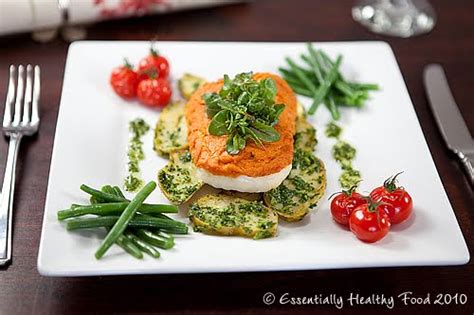
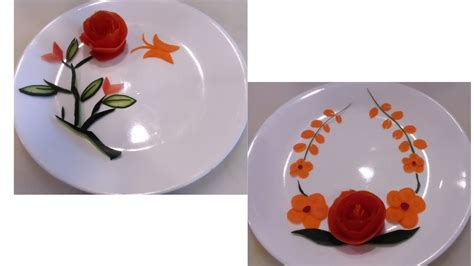
The way you arrange food on the plate is crucial. Avoid overfilling; leave some negative space around the edges. Use smaller plates to make portions look more substantial and inviting. Consider the “rule of odds” when arranging elements – groups of three or five often look more natural and dynamic than even numbers. Create height and dimension by stacking or leaning ingredients. Think about the focal point of your dish and arrange elements to draw the eye towards it.
Lighting and Photography Basics
Even the most beautifully styled dish can fall flat with poor lighting. Natural light is your best friend. Position your dish near a window, but avoid direct harsh sunlight, which can create strong shadows. Instead, use diffused light. If natural light isn’t available, invest in a softbox or ring light. Experiment with different angles: overhead shots (flat lay) work well for bowls and intricate arrangements, while a 45-degree angle can highlight height and texture. Focus sharply on the main subject, ensuring the viewer’s eye goes exactly where you want it.

Props and Backgrounds: Setting the Scene
Your background and props should complement, not distract from, your food. Simple, neutral backgrounds (wood boards, plain linen, concrete slabs) are often best. Use props sparingly and thoughtfully: a rustic fork, a crumpled napkin, a small bowl of an ingredient used in the dish, or a sprig of herbs can add context and tell a story. Choose props that match the mood and style of your dish – light and airy for a fresh salad, rustic for a hearty stew.
Conclusion
Making healthy veggie dishes visually appealing for your social media feed is an exciting blend of culinary skill and artistic expression. By focusing on vibrant colors, varied textures, thoughtful plating, strategic garnishes, and good photography techniques, you can transform everyday vegetables into captivating, crave-worthy content. So go ahead, experiment, snap away, and inspire your followers with the delicious beauty of plant-based eating!